
Your Daily Eczema Toolkit: Gentle Habits That Make a Real Difference
Living with eczema often means managing dryness, itchiness, and unexpected flare-ups on a daily basis. It can feel overwhelming, especially when you are trying to figure out what works and what makes things worse.
The most effective approach is not doing everything at once. It is building small, consistent habits that support your skin over time. These habits help reduce inflammation, strengthen your skin barrier, and make flare-ups easier to manage.
This guide breaks down simple, practical steps you can start using right away.
Protect Your Skin Barrier With Daily Moisturizing
Your skin barrier is your body’s first defense against irritants, allergens, and moisture loss. When it is compromised, your skin becomes more sensitive and prone to flare-ups.
Use a thick, fragrance-free moisturizer such as a cream or ointment rather than a light lotion. Look for ingredients like ceramides, glycerin, petrolatum, or shea butter.
Apply moisturizer at least twice a day:
Right after bathing, while your skin is still slightly damp
Before bed to support overnight repair
If your skin is very dry, reapply to problem areas throughout the day.
Stay Hydrated to Support Skin Function
Hydration plays a key role in maintaining skin elasticity and reducing dryness.
Aim to drink water consistently throughout the day instead of all at once. You can also support hydration by:
Drinking herbal teas
Eating water-rich foods like cucumbers, oranges, and leafy greens
Using a humidifier if your environment is dry, especially at night
This combination helps reduce transepidermal water loss and keeps your skin more balanced.

Reduce Inflammation With Simple Food Choices
Food can influence inflammation levels in the body, which may affect eczema symptoms.
You do not need a restrictive diet to start seeing improvements. Focus on adding more anti-inflammatory foods such as:
Fruits like berries and apples
Vegetables like spinach, broccoli, and sweet potatoes
Healthy fats like olive oil, avocados, and nuts
At the same time, try reducing highly processed foods, excess sugar, and artificial additives. Start with one or two small changes and build from there.
Manage Stress to Prevent Flare-Ups
Stress is a common trigger for eczema because it affects your immune system and increases inflammation.
Incorporate small stress management habits into your day:
Practice slow, deep breathing for a few minutes
Take short breaks to stretch or walk
Write down thoughts or tasks to reduce mental overload
Even a few minutes of intentional relaxation can help regulate your body’s response and reduce flare frequency.
Choose Skin-Friendly Fabrics

Clothing can either protect your skin or irritate it.
Choose soft, breathable materials such as cotton or bamboo. These allow airflow and reduce friction. To avoid irritation:
Wash new clothes before wearing them
Use fragrance-free, gentle detergents
Avoid rough fabrics like wool directly on the skin
If needed, wear a soft layer underneath to create a barrier.
Adjust Your Shower Routine
Your bathing routine has a direct impact on your skin barrier.
Follow these guidelines:
Use lukewarm water instead of hot
Keep showers or baths between 5 to 10 minutes
Use gentle, fragrance-free cleansers
Avoid scrubbing or using harsh tools
After bathing, gently pat your skin dry and apply moisturizer within a few minutes to lock in hydration.
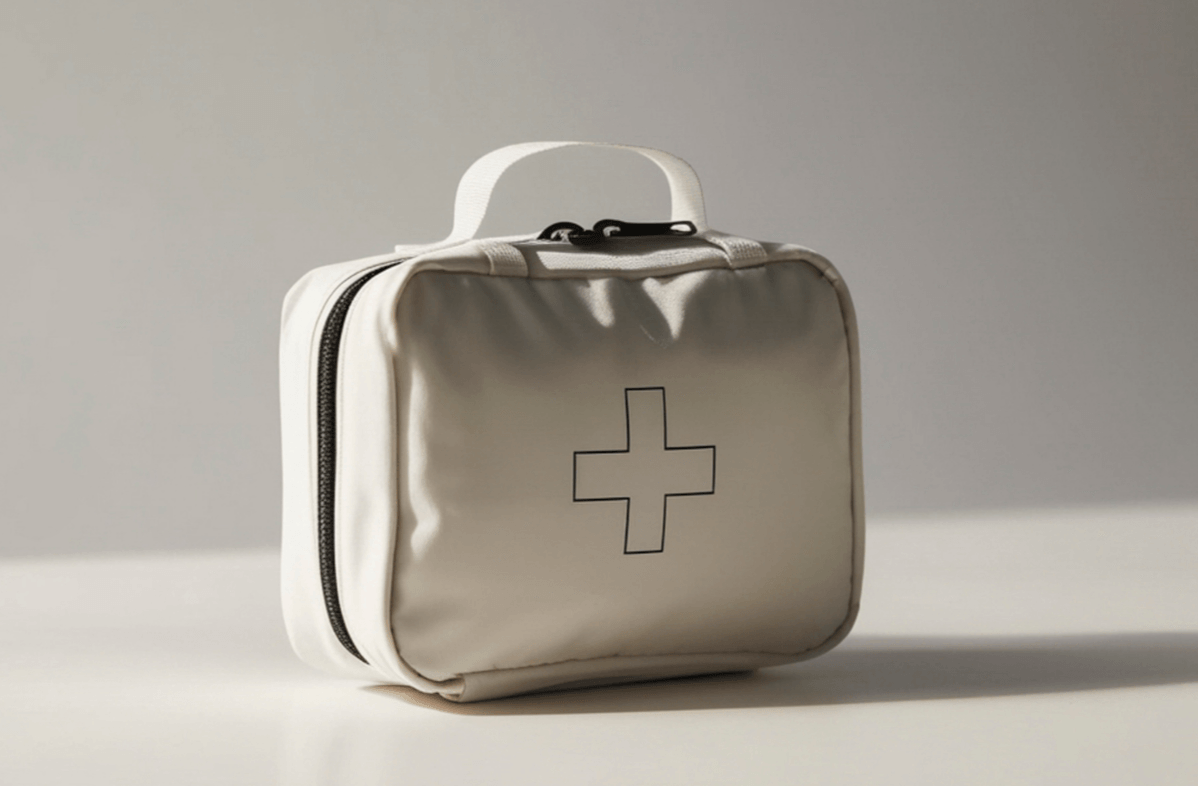
Prepare a Simple Flare-Up Kit
Having the right products ready can help you respond quickly when symptoms start.
A basic flare-up kit may include:
A travel-size moisturizer
A gentle, non-irritating spray such as hypochlorous acid
Any prescribed treatments if applicable
Keep this kit in your bag, car, or workspace so you are not caught unprepared.

Support Skin Repair During Sleep
Sleep is essential for skin recovery and overall health. Poor sleep can worsen inflammation and make itching harder to control.
To improve your nighttime routine:
Apply moisturizer before bed
Wear loose, breathable clothing
Keep your bedroom cool to prevent overheating
Avoid screens or stimulating activities before sleep
If itching is a problem at night, keeping nails short and wearing soft gloves can help prevent skin damage.
Focus on Consistency, Not Perfection
Eczema management is not about doing everything perfectly. It is about building habits you can maintain daily.
Start with one or two changes that feel manageable. As they become part of your routine, add more supportive habits over time.
Consistent care leads to stronger skin, fewer flare-ups, and better overall comfort.
You do not need complicated routines or extreme changes to support your skin. Simple, intentional habits can make a meaningful difference.
By moisturizing regularly, staying hydrated, managing stress, and making small lifestyle adjustments, you create a strong foundation for long-term skin health.
Your daily choices add up. With the right habits in place, eczema becomes more manageable and your skin becomes more resilient over time.

Calm your skin, reclaim your comfort, and embrace a healthier, more balanced life.



Get in touch
Feel free to get in touch with us via email: support@theantiinflammatorymindset.com
TAIM | Privacy Policy | Terms and Conditions
Created with © systeme.io