
How to Build an Eczema-Friendly Home Environment
For people living with Eczema, home should feel like a place where the skin can rest and recover — not another source of irritation.
But many everyday things inside the home can quietly affect eczema-prone skin, from dry air and harsh cleaning products to fabrics, fragrances, dust, and even temperature changes.
The good news is that creating an eczema-friendly home does not require perfection or completely changing your lifestyle overnight. Small adjustments can sometimes make a noticeable difference over time.
Why the Home Environment Matters
Eczema-prone skin has a weaker skin barrier, making it more sensitive to irritants and environmental triggers.
Because people spend so much time indoors, everyday household exposures can sometimes contribute to:
Dryness
Itching
Irritation
Inflammation
More frequent flare-ups
And since eczema triggers vary from person to person, building an eczema-friendly environment is often about learning what affects your skin personally.

Be Mindful of Fragrances
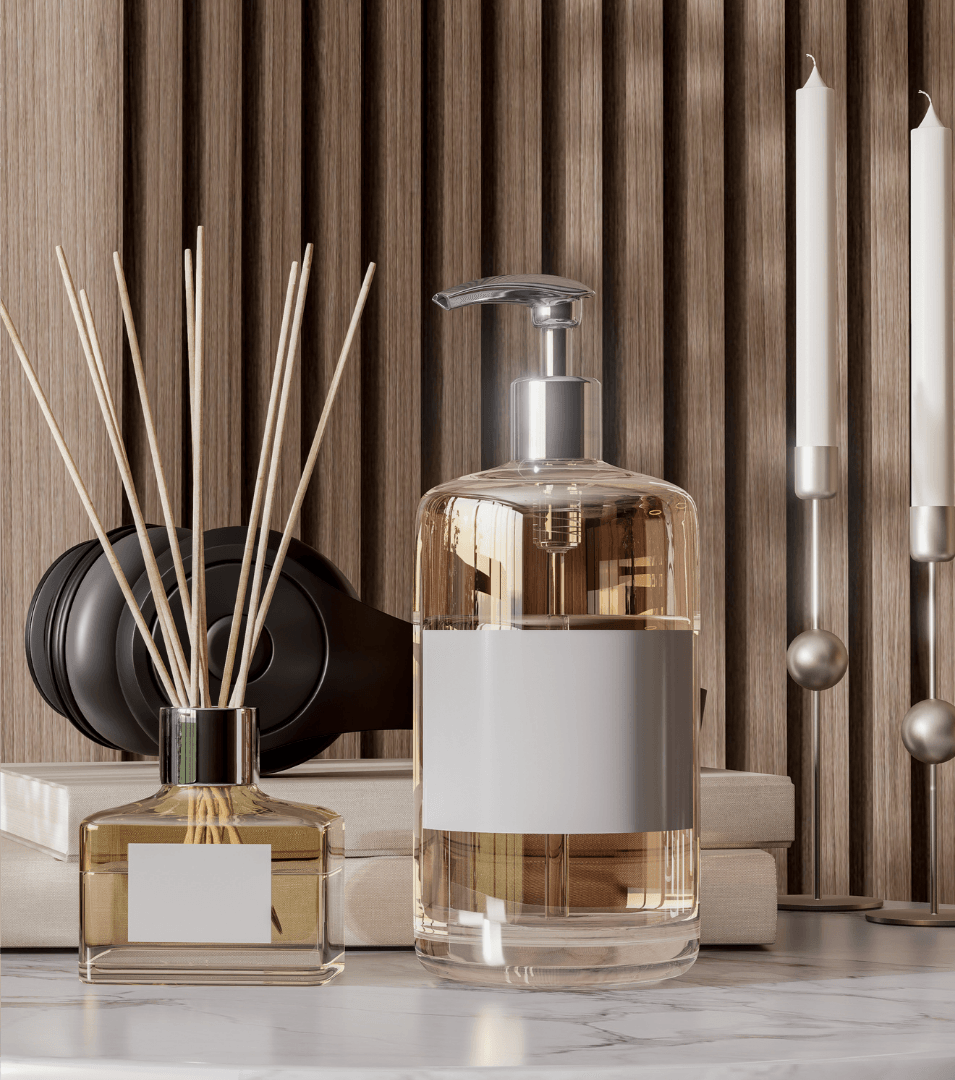
One of the most common eczema triggers inside the home is fragrance.
Scented products may smell pleasant, but for some people they can irritate sensitive skin or worsen flare-ups.
Products that may contain irritating fragrances include:
Laundry detergents
Fabric softeners
Candles
Air fresheners
Cleaning products
Soaps and skincare
Room sprays
Choosing gentle or fragrance-free alternatives may help reduce unnecessary irritation for eczema-prone skin.
Pay Attention to Indoor Air
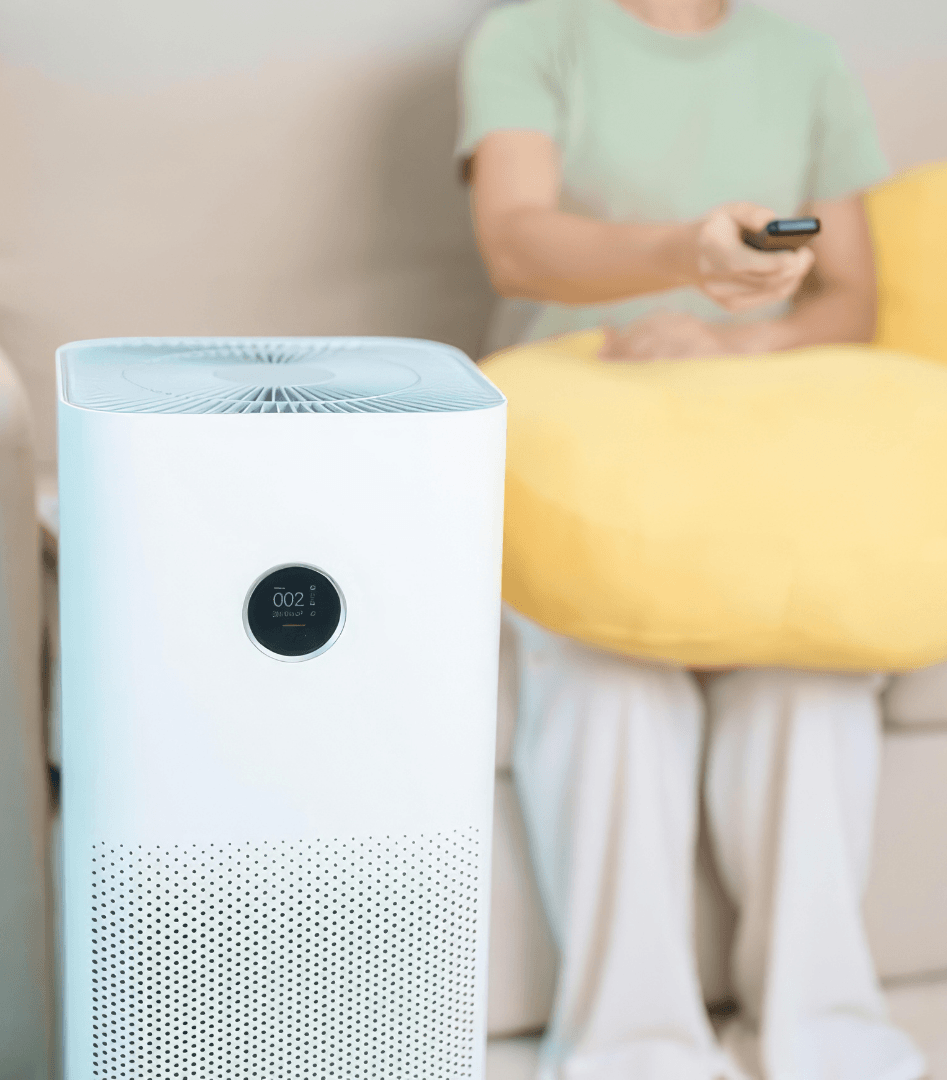
Air quality and humidity levels can also affect the skin barrier.
Very dry indoor air — especially during colder months or when using air conditioning — may pull moisture from the skin and worsen dryness and itching.
On the other hand, excessive humidity and heat may increase sweating, which can also trigger eczema for some people.
Trying to maintain a comfortable indoor environment may help support the skin:
Avoid overly hot rooms
Keep airflow comfortable
Consider using a humidifier if indoor air feels very dry
Wash humidifiers regularly to prevent mold buildup
Choose Fabrics Carefully
Certain fabrics can irritate sensitive skin more than others.
Rough or scratchy materials may increase friction and itching, especially during flare-ups.
Many people with eczema prefer softer, breathable fabrics such as cotton because they tend to feel gentler on the skin.

Some fabrics that may feel irritating for certain individuals include:
Wool
Rough synthetics
Tight or non-breathable materials
Bedding, pajamas, towels, and even couch fabrics can sometimes affect comfort levels.
Dust and Allergens May Also Play a Role
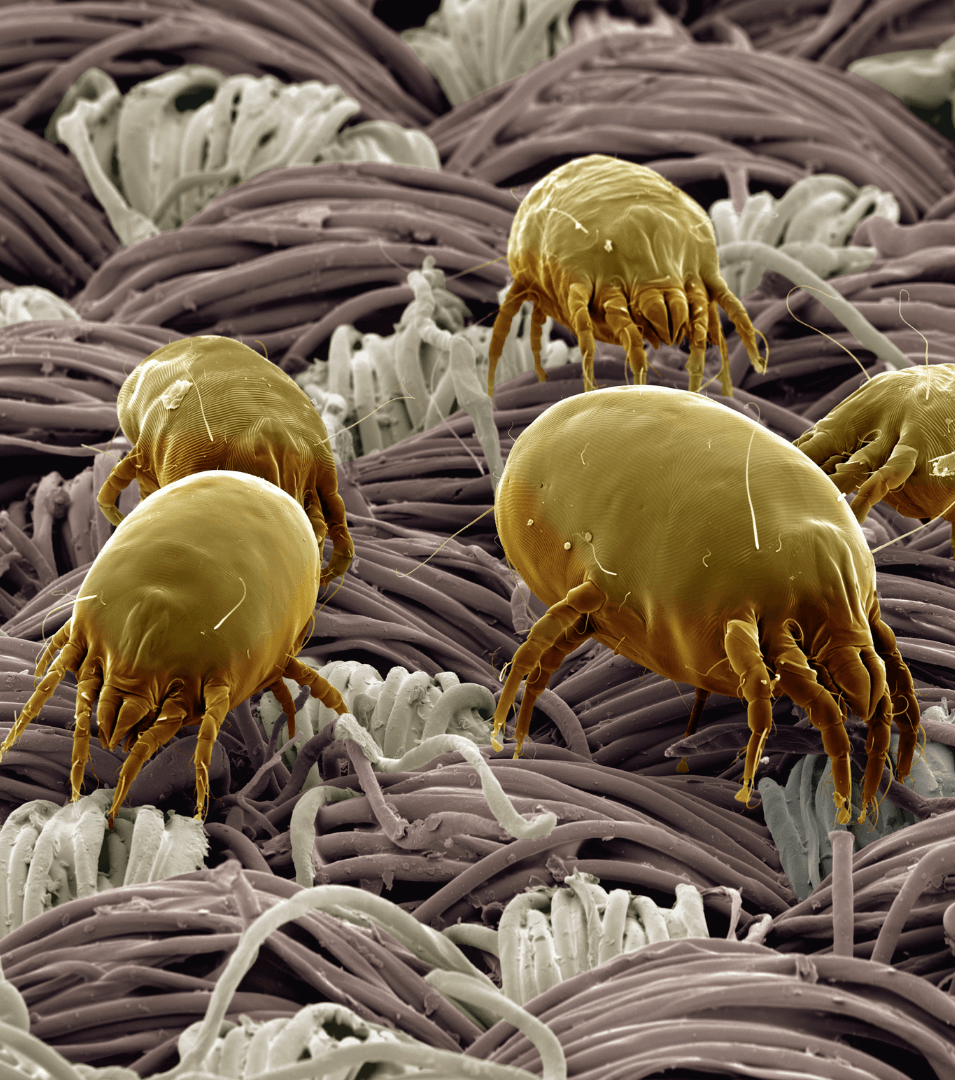
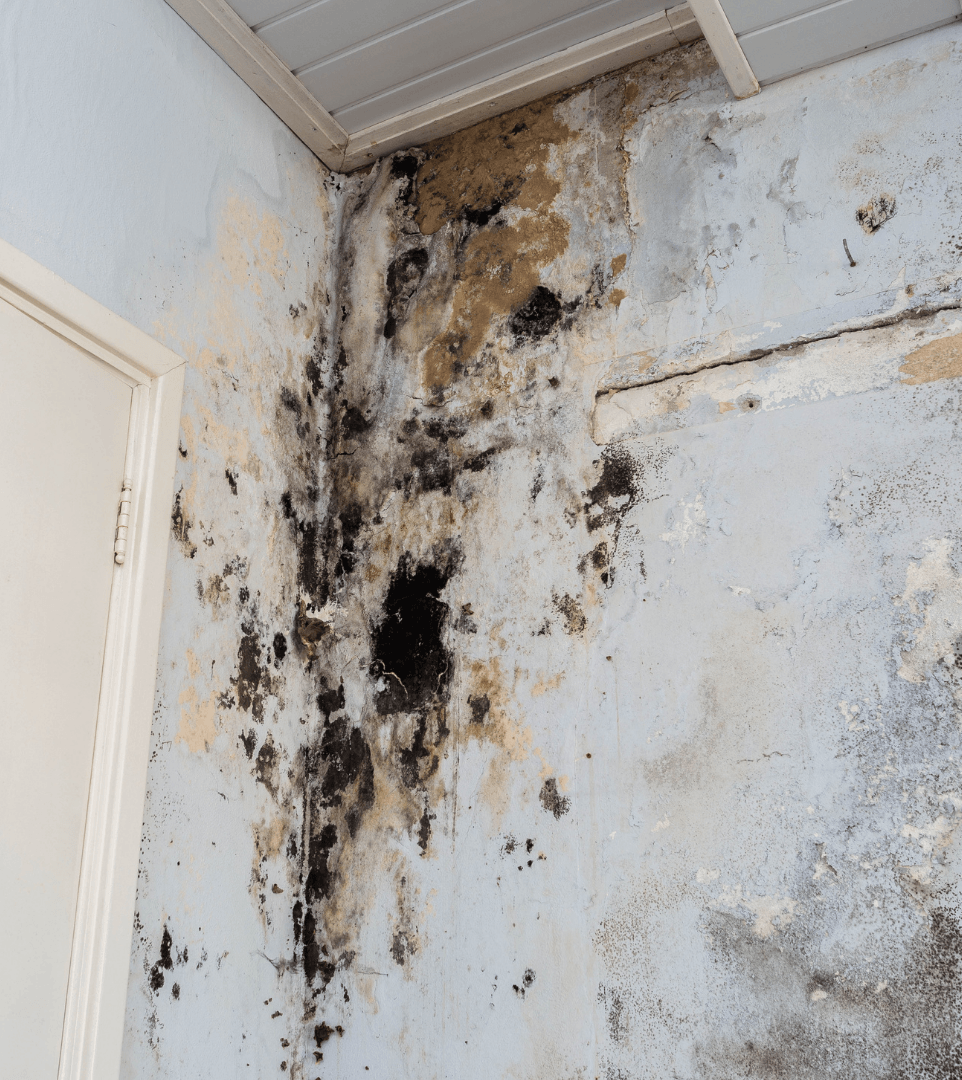
For some people, environmental allergens inside the home may contribute to eczema flare-ups.
Common household triggers may include:
Dust mites
Pet dander
Mold
Smoke
Pollen entering through windows
Regular cleaning may help reduce buildup, but harsh cleaning chemicals can also irritate sensitive skin. Finding a balance is important.

Hot Water Can Be Harsh on the Skin Barrier
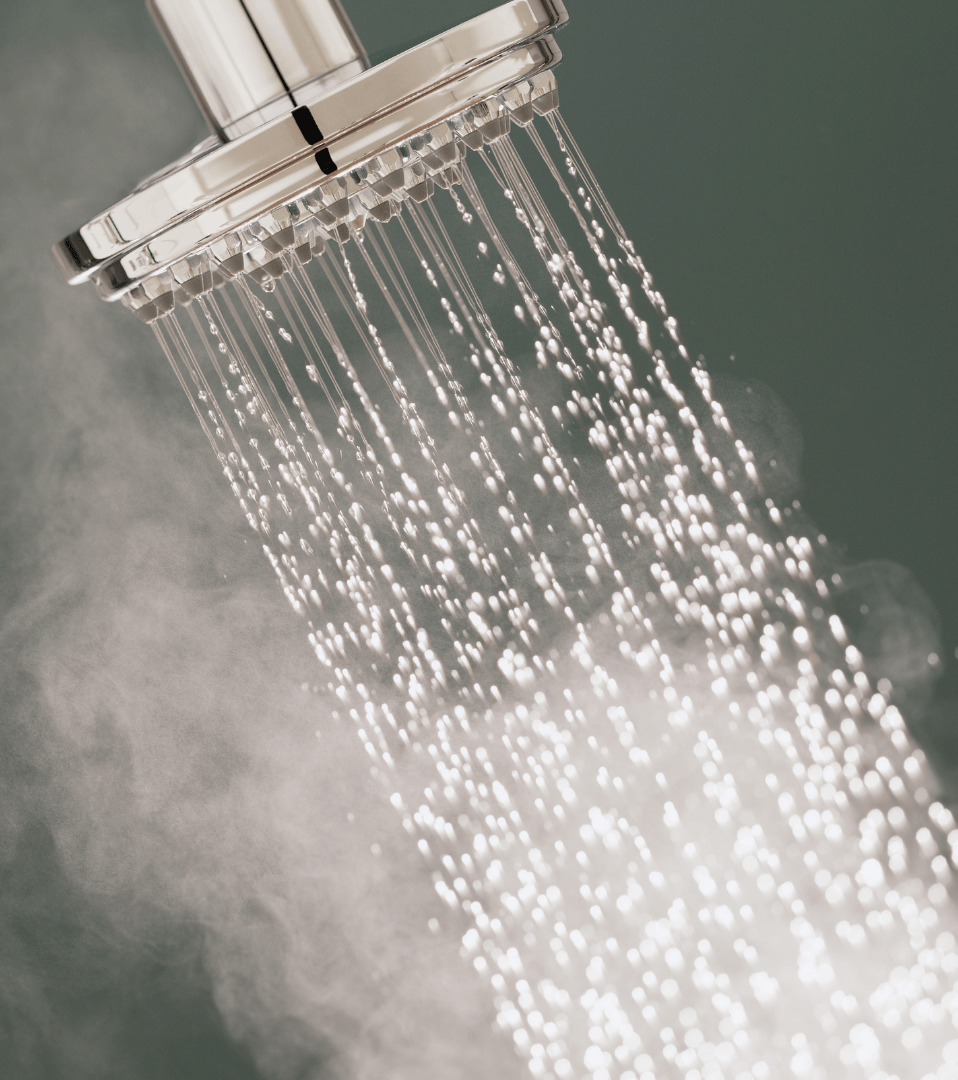
Long, hot showers or baths may feel relaxing, but they can strip natural oils from the skin and worsen dryness.
Many dermatologists recommend:
Lukewarm instead of very hot water
Gentle, fragrance-free cleansers
Moisturizing soon after bathing to help lock in moisture
Small habits like these can help support the skin barrier over time.
There Is No “Perfect” Eczema-Proof Home
One important thing to remember is that eczema is highly individual.
Some people react strongly to dust, while others are more affected by fragrances, fabrics, weather, stress, or heat. What helps one person may not work for another.
Building an eczema-friendly home is usually about reducing unnecessary irritation while learning what your own skin responds to.
It is not about creating a perfectly sterile environment.
Creating an eczema-friendly home does not mean eliminating every possible trigger overnight.
Instead, it is often about making thoughtful, manageable changes that help support the skin barrier and reduce irritation where possible.
Because sometimes, even small adjustments in your environment can help your skin feel safer, calmer, and more comfortable over time.

Calm your skin, reclaim your comfort, and embrace a healthier, more balanced life.



Get in touch
Feel free to get in touch with us via email: support@theantiinflammatorymindset.com
TAIM | Privacy Policy | Terms and Conditions
Created with © systeme.io