Anti-Inflammatory Lifestyle for Eczema: Long-Term Skin Relief
Eczema Reveals What Your Body Can’t Say in Words
Eczema is often misunderstood as “just dry skin” or “just itching.” In reality, it’s your body sending a powerful message about underlying inflammation, immune imbalance, gut issues, and environmental stressors. Treating only the surface symptoms — creams, ointments, or short-term medications — is like painting over a warning sign without addressing the problem beneath.
Flare-ups are your body communicating. They are signals that something inside your system isn’t in balance. At The Anti-Inflammatory Mindset, we focus on listening to these signals and helping people adopt a holistic, anti-inflammatory approach that addresses root causes rather than temporary symptoms. By understanding and supporting your body from within, you can achieve long-lasting relief, stronger skin, and improved overall health.
What Is an Anti-Inflammatory Lifestyle?
An anti-inflammatory lifestyle is a comprehensive, system-focused way of living that reduces chronic inflammation, supports the immune system, nurtures the gut-skin axis, and minimizes exposure to environmental triggers. It is not a fad diet or a one-time fix — it’s a sustainable, empowering lifestyle that addresses root causes of eczema.


Key pillars include:
Nutrition: Anti-inflammatory, nutrient-dense foods while avoiding personal triggers.
Gut & Skin Health: Supporting a balanced microbiome through diet, hydration, topical and systemic probiotics, and prebiotics.
Stress Management & Sleep: Reducing stress and supporting restorative sleep to calm immune overactivity.
Environmental & Chemical Awareness: Minimizing exposure to plastics, toxic cookware, harsh cleaning products, personal care chemicals, and allergens.
Lifestyle Habits: Gentle movement, mindful routines, and consistent self-care.
Nutrition: Feeding Your Skin From Within
Food plays a critical role in controlling inflammation and supporting skin health. Anti-inflammatory nutrition emphasizes:
Nutrition: Anti-inflammatory, nutrient-dense foods while avoiding personal triggers.
Gut & Skin Health: Supporting a balanced microbiome through diet, hydration, topical and systemic probiotics, and prebiotics.
Stress Management & Sleep: Reducing stress and supporting restorative sleep to calm immune overactivity.
Environmental & Chemical Awareness: Minimizing exposure to plastics, toxic cookware, harsh cleaning products, personal care chemicals, and allergens.
Lifestyle Habits: Gentle movement, mindful routines, and consistent self-care.
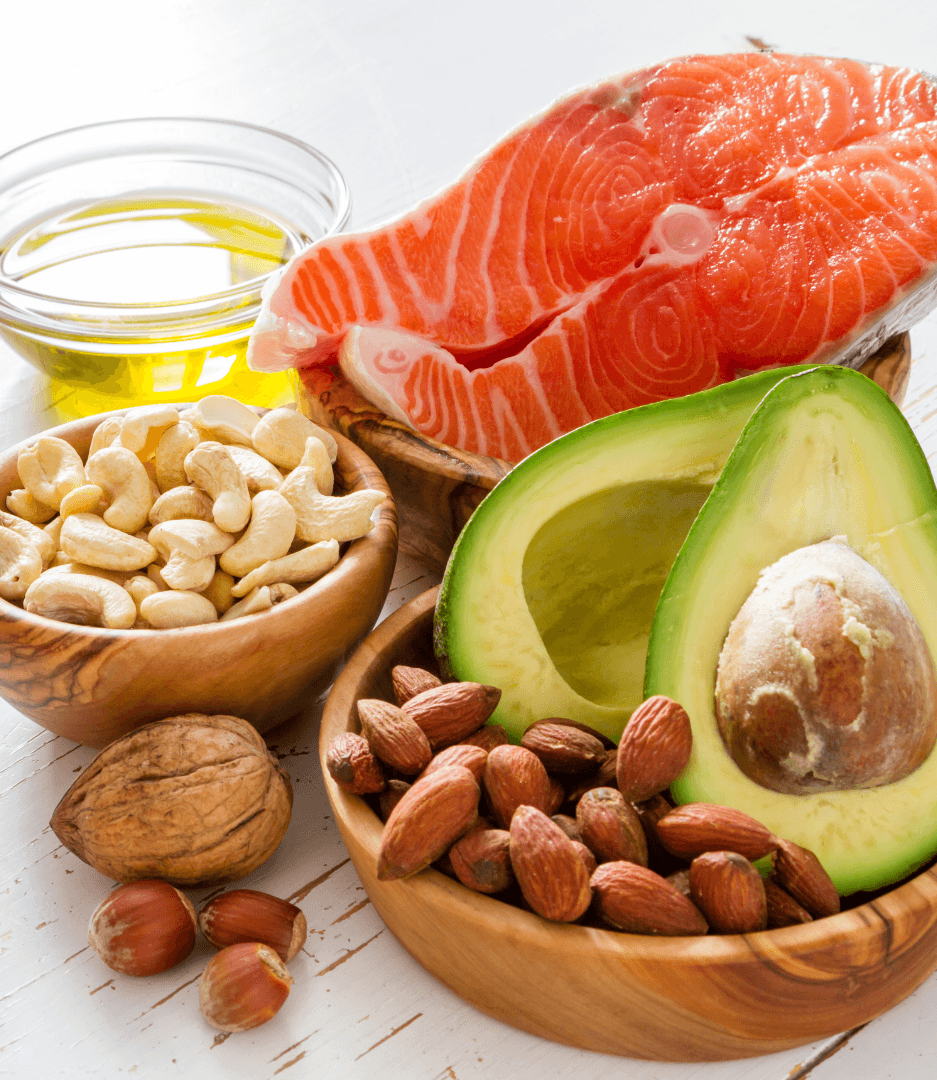


Everyone’s body reacts differently. Some people may flare with fermented foods, dairy, or specific nuts. Tracking your diet and symptoms is crucial for personalized anti-inflammatory strategies.
Gut-Skin Connection: Why Your Microbiome Matters
Your gut and skin are intimately linked. The trillions of microorganisms in your gut regulate immune responses and inflammation. When gut balance is disrupted (dysbiosis), your immune system can overreact, causing eczema flare-ups, redness, and itching.
Support your gut by:
Eating diverse, fiber-rich, plant-based foods
Staying hydrated to support digestion and toxin removal
Managing stress with meditation, gentle exercise, or deep breathing
Using probiotics carefully — both oral and topical pre/probiotics can support eczema-prone skin
Topical probiotics and prebiotics are particularly beneficial because they help restore microbial balance, reduce harmful bacteria, and strengthen your skin barrier without triggering digestive reactions.

Stress, Sleep, and Lifestyle: Calming Your Immune System

Chronic stress and inadequate sleep are powerful triggers for eczema. Stress increases cortisol, which overstimulates the immune system and worsens inflammation.
Anti-inflammatory lifestyle habits include:
Mindfulness or meditation: 5–10 minutes daily lowers cortisol.
Gentle movement: Yoga, walking, or stretching improves circulation and mental calm.
Restorative sleep: 7–9 hours allows tissue repair and balances immune responses.
Structured routines: Consistent mealtimes and sleep schedules reduce systemic stress.
Even small, consistent lifestyle changes create measurable improvements in skin health over time.
Environmental & Chemical Awareness: Reducing Hidden Eczema Triggers
Your environment significantly impacts eczema. Chemicals, plastics, cookware, and household products can act as hidden triggers. An anti-inflammatory lifestyle includes reducing exposure to these irritants to minimize inflammation.

Plastics & Food Storage
Why it matters: Many plastics contain BPA, phthalates, and other endocrine-disrupting chemicals that may leach into food and aggravate inflammation.
Tips: Use glass, stainless steel, or food-grade silicone containers for storage. Avoid heating food in plastic whenever possible.

Cookware
Why it matters: Non-stick pans with PTFE or PFOA can release toxic fumes when overheated.
Tips: Switch to ceramic, stainless steel, or cast iron cookware.

Cleaning Products & Fragrances
Why it matters: Non-stick pans with PTFE or PFOA can release toxic fumes when overheated.
Tips: Switch to ceramic, stainless steel, or cast iron cookware.

Personal Care Products & Ingredients
Why it matters: Skincare, haircare, and cosmetics may contain parabens, sulfates, formaldehyde releasers, synthetic fragrances, and alcohols, which disrupt the skin barrier and worsen eczema.
Tips:
Look for “free from” labels (fragrance-free, paraben-free, sulfate-free).
Patch-test new products.
Favor products with prebiotics, probiotics, ceramides, and minimal ingredients.

Other Environmental Exposures
Dust, mold, pollen, and pet dander can act as allergens, triggering flare-ups.
Maintaining ventilation and moderate humidity helps reduce skin irritation.
Why This Matters: Every chemical, allergen, or irritant you reduce lowers systemic inflammation, strengthens the skin barrier, and reduces the severity and frequency of flare-ups. Over time, your skin becomes calmer, more resilient, and less reactive.
Practical Steps to Start Today
Nutrition: Add leafy greens, berries, and omega-3-rich foods; reduce processed foods.
Gut & Skin: Stay hydrated, introduce topical probiotics, and carefully add gut-friendly foods.
Stress Relief: 5–10 minutes of meditation, yoga, or deep breathing daily.
Sleep & Routines: Prioritize restorative sleep and maintain consistent schedules.
Environment: Switch to glass or stainless steel containers, avoid non-stick cookware with PTFE/PFOA, use fragrance-free products, and minimize chemical exposure.
Tracking: Journal your diet, environment, stress, and skin responses to identify triggers.
The Anti-Inflammatory Mindset Approach
At The Anti-Inflammatory Mindset, we emphasize that long-term eczema relief comes from listening to your body, reducing triggers, and supporting your system holistically.
By combining:
Anti-inflammatory nutrition
Gut and skin microbiome support
Stress management and restorative sleep
Comprehensive environmental and chemical awareness
…you are not just treating symptoms — you are addressing root causes, empowering your body, and giving your skin the best chance to heal sustainably.
Remember: Your eczema may feel persistent, but it’s not permanent. By understanding the messages your body is sending, gently supporting your gut and skin, and reducing inflammatory triggers, you can achieve calmer, more resilient skin.
Your skin is communicating — listening is the first step toward meaningful, lasting change.
Calm your skin, reclaim your comfort, and embrace a healthier, more balanced life.



Get in touch
Feel free to get in touch with us via email: support@theantiinflammatorymindset.com
TAIM | Privacy Policy | Terms and Conditions
Created with © systeme.io