7 Eczema Myths That Keep People Stuck (And What's Actually True)
If you have eczema, you've probably heard it all.
"Just moisturize more."
"It's your diet."
"You need to stop scratching."
"It's probably just dry skin."
Advice like this usually comes from a caring place. But most of it misses what's actually happening in your skin, and over time, it can leave you feeling confused, dismissed, or like you're somehow doing eczema "wrong."
Eczema is common, but it's rarely understood the way it deserves to be. Here are seven of the biggest myths, and the reality behind each one.
Myth #1: Eczema is just dry skin
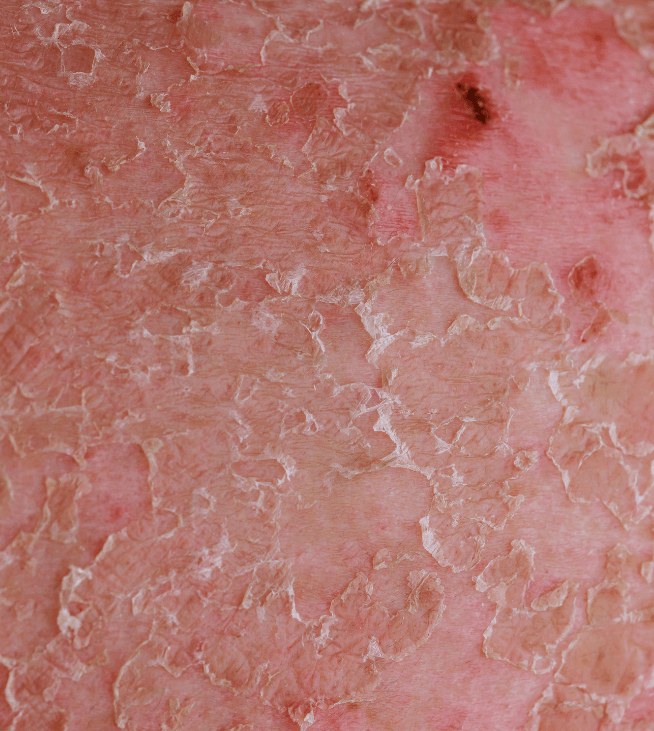
Dryness is often part of the picture, but it's not the whole story.
Eczema involves a weakened skin barrier, an overactive immune response, and inflammation working together. Your skin barrier's job is to keep moisture in and irritants out. When that barrier is compromised, skin loses hydration more easily and becomes more reactive to everyday triggers.
That's why eczema can flare with itching, redness, and irritation even when you're moisturizing faithfully. Moisturizer matters, but it's one piece of a much bigger picture.
Myth #2: You can just stop scratching
Anyone living with eczema knows it's not that easy.
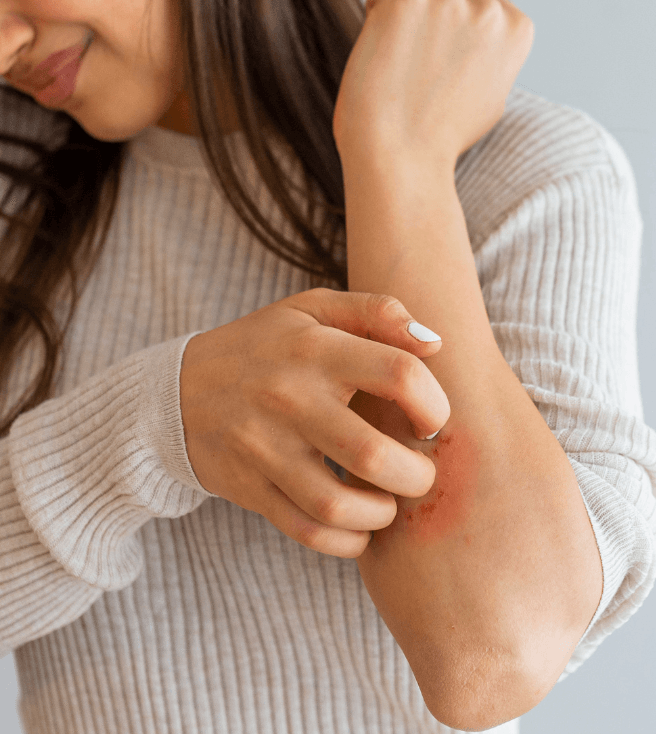
The itch-scratch cycle is one of the most exhausting parts of this condition. Irritated skin sends signals to your brain that create a genuine urge to scratch. Scratching brings a moment of relief, but it also damages the barrier further and often makes the itch worse.
This isn't a willpower problem. It's a physical response your body is having to real discomfort, and understanding that can replace frustration with a bit more patience.
Myth #2: You can just stop scratching
Anyone living with eczema knows it's not that easy.
The itch-scratch cycle is one of the most exhausting parts of this condition. Irritated skin sends signals to your brain that create a genuine urge to scratch. Scratching brings a moment of relief, but it also damages the barrier further and often makes the itch worse.
This isn't a willpower problem. It's a physical response your body is having to real discomfort, and understanding that can replace frustration with a bit more patience.
Myth #3: Eczema comes from poor hygiene
Eczema has nothing to do with being "dirty" or careless about your skin. If anything, overly harsh cleansing routines can make sensitive skin worse, not better.
Eczema is shaped by genetics, immune function, barrier health, environment, and lifestyle. The goal isn't to scrub harder or treat skin more aggressively. It's to protect the barrier and build habits that support it over time.
Myth #4: There's one single cause
When you're dealing with eczema, it's natural to want one clear answer. Is it a food? A product? Stress? Something in your environment?
Sometimes people hope there's a single thing to eliminate that will fix everything. In reality, eczema is usually influenced by several overlapping factors, and triggers look different from person to person. What flares one person's skin might not affect someone else's at all.
Understanding your eczema often means looking at patterns across skincare, lifestyle, stress, and environment, rather than searching for one culprit.
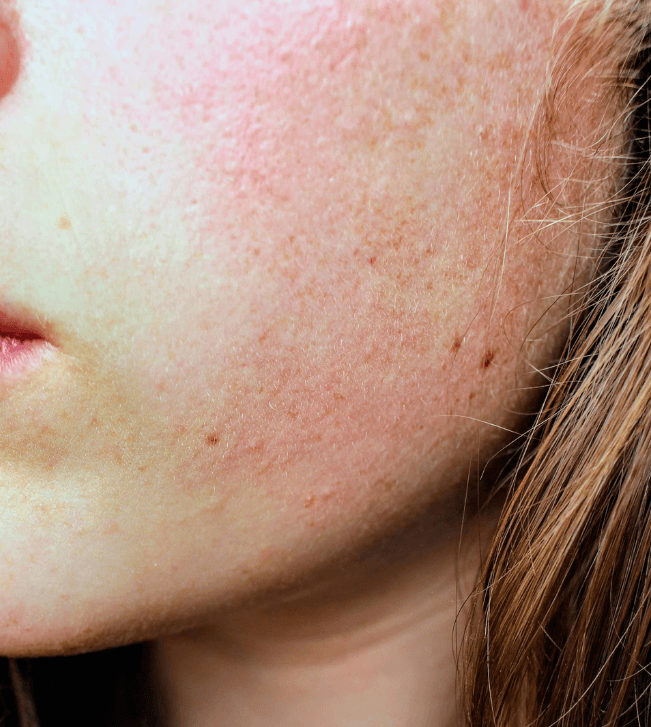
Myth #4: There's one single cause
When you're dealing with eczema, it's natural to want one clear answer. Is it a food? A product? Stress? Something in your environment?
Sometimes people hope there's a single thing to eliminate that will fix everything. In reality, eczema is usually influenced by several overlapping factors, and triggers look different from person to person. What flares one person's skin might not affect someone else's at all.
Understanding your eczema often means looking at patterns across skincare, lifestyle, stress, and environment, rather than searching for one culprit.
Myth #5: Eczema medication is something to fear
Concerns about medication are understandable. Maybe you've read about side effects, or seen scary stories online, and it's made you hesitant to try something new.
But treatment isn't automatically dangerous, and needing it isn't a sign you've failed. Eczema treatments are designed to calm inflammation, protect the skin, and improve day to day life. What works best depends on the individual, their symptoms, and how severe their eczema is.
The most helpful thing you can do is get informed. A healthcare provider can walk you through how a treatment works, what to expect, and any real risks involved.
Skincare, lifestyle changes, stress management, and medical treatment aren't competing options. They're tools that can work together. This isn't about choosing "natural" versus "medical." It's about finding what actually supports your body.

Myth #6: Clear skin means your eczema is gone
Skin can look better on the surface while it's still healing underneath.
Real progress isn't only about appearance. It also looks like fewer flare-ups, less intense itching, more comfort in your own skin, and feeling less controlled by your eczema day to day.
Healing eczema-prone skin isn't about chasing perfection. It's about building skin that's genuinely healthier and a life that feels less limited by symptoms.

Myth #6: Clear skin means your eczema is gone
Skin can look better on the surface while it's still healing underneath.
Real progress isn't only about appearance. It also looks like fewer flare-ups, less intense itching, more comfort in your own skin, and feeling less controlled by your eczema day to day.
Healing eczema-prone skin isn't about chasing perfection. It's about building skin that's genuinely healthier and a life that feels less limited by symptoms.
Myth #7: Eczema only affects your skin
The physical symptoms are the most visible part of eczema, but they're far from the only part.
Eczema can disrupt sleep, chip away at confidence, raise stress levels, and shape the choices you make every day, like what you wear or whether you feel comfortable in certain situations. That emotional weight is real, and it deserves just as much attention as the physical symptoms.

Eczema isn't a reflection of how well you take care of yourself. It isn't a failure, and it's rarely solved by one simple fix.
The more you understand what's actually happening in your skin, the more equipped you are to support it. Your skin isn't working against you. It's responding to what it's experiencing, and learning to read those signals is what makes a personalized approach possible.
Calm your skin, reclaim your comfort, and embrace a healthier, more balanced life.



Get in touch
Feel free to get in touch with us via email: support@theantiinflammatorymindset.com
TAIM | Privacy Policy | Terms and Conditions
Created with © systeme.io