
Winter Skincare for Eczema: Managing Temperature, Humidity, and Seasonal Flare-Ups
Feb 12, 2026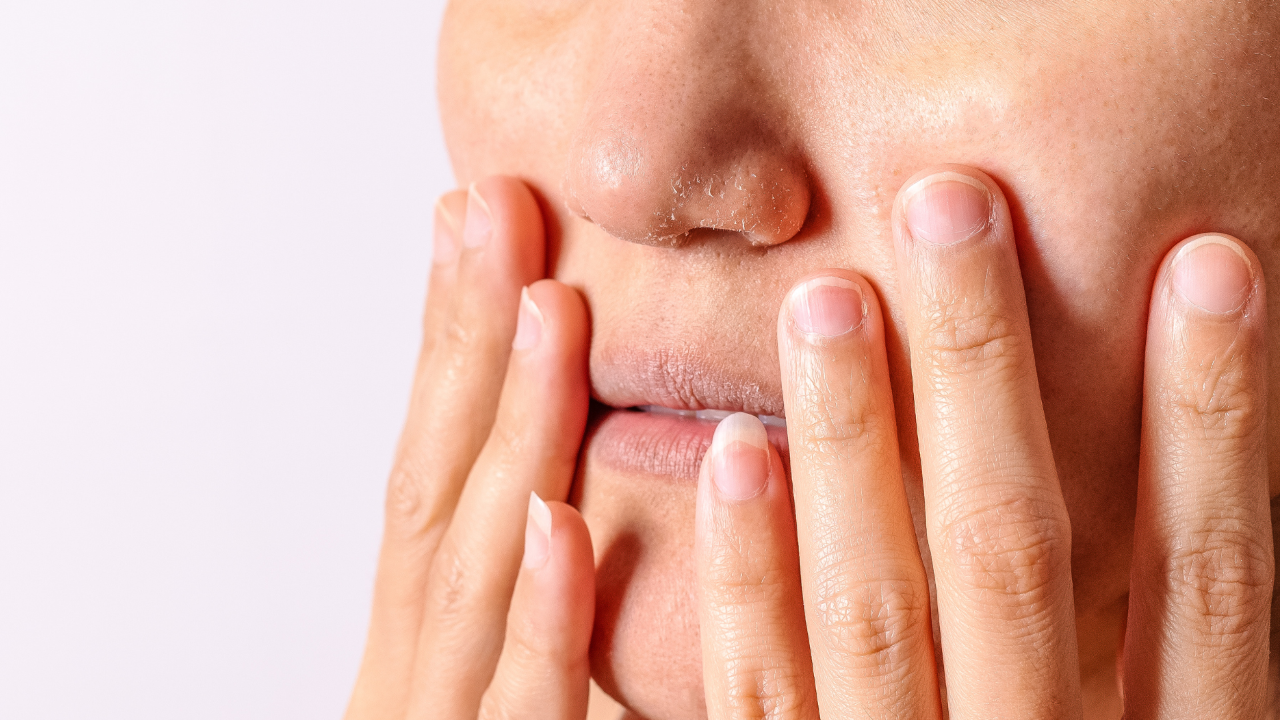
Eczema isn’t just uncomfortable — it’s a condition that reacts strongly to environmental changes. Cold air, indoor heating, and low humidity during winter create conditions that can:
- Strip natural oils from the skin, weakening the skin barrier
- Trigger inflammation and flare-ups
- Aggravate dryness, cracks, and itching
Studies have shown that low humidity and temperature fluctuations increase transepidermal water loss (TEWL), making eczema-prone skin more vulnerable to irritation and infection. Winter care isn’t optional — it’s essential for maintaining skin health and preventing flare-ups.
Temperature Management: Protecting Skin from Cold and Heat
1. Optimal Shower Practices
-
Use lukewarm water; hot water strips away oils and worsens dryness.
-
Limit showers to 5–10 minutes to prevent over-drying.
-
Pat skin gently with a towel — do not rub, which can aggravate eczema.
2. Dress Strategically for Cold Weather
-
Layer clothing to trap warmth without causing friction.
-
Wear soft fabrics like cotton or silk directly on skin; avoid wool or rough textures.
-
Cover exposed areas (hands, face, ears) with scarves and gloves to reduce irritation from wind.
3. Regulate Indoor Temperature
-
Keep your home comfortably warm (68–72°F / 20–22°C).
-
Avoid overheating, which dries the air and worsens skin dryness.
-
Consider zoning heat rather than using high settings in one area.

Humidity and Moisture: Combatting Dry Winter Air
1. Use a Humidifier
-
Indoor heating reduces humidity, increasing skin dryness and itchiness.
-
Use a humidifier to maintain indoor humidity between 40–60%, optimal for skin barrier health.
-
Clean humidifiers regularly to avoid mold or bacterial growth, which can trigger allergies.
2. Hydrate From the Inside Out
-
Drink plenty of water throughout the day; hydration supports skin elasticity and barrier function.
-
Include hydrating foods like soups, smoothies, fruits, and vegetables.
3. Moisturize Strategically
-
Apply a rich cream or ointment immediately after bathing to lock in moisture.
-
Consider occlusive layers (like petroleum or ceramide-based products) on severely dry patches.
-
Moisturize multiple times a day — not just after showers.
Winter Skincare Routines for Eczema
1. Gentle Cleansing
-
Stick to fragrance-free, sulfate-free cleansers designed for sensitive skin.
-
Avoid scrubbing or exfoliating excessively — your skin is already vulnerable in winter.
-
Cleansing should prepare your skin for hydration, not strip it.
2. Barrier Protection
-
Use barrier creams or ointments before exposure to cold wind or indoor heating.
-
Consider topical probiotics or prebiotics to support your skin microbiome during the dry season.
-
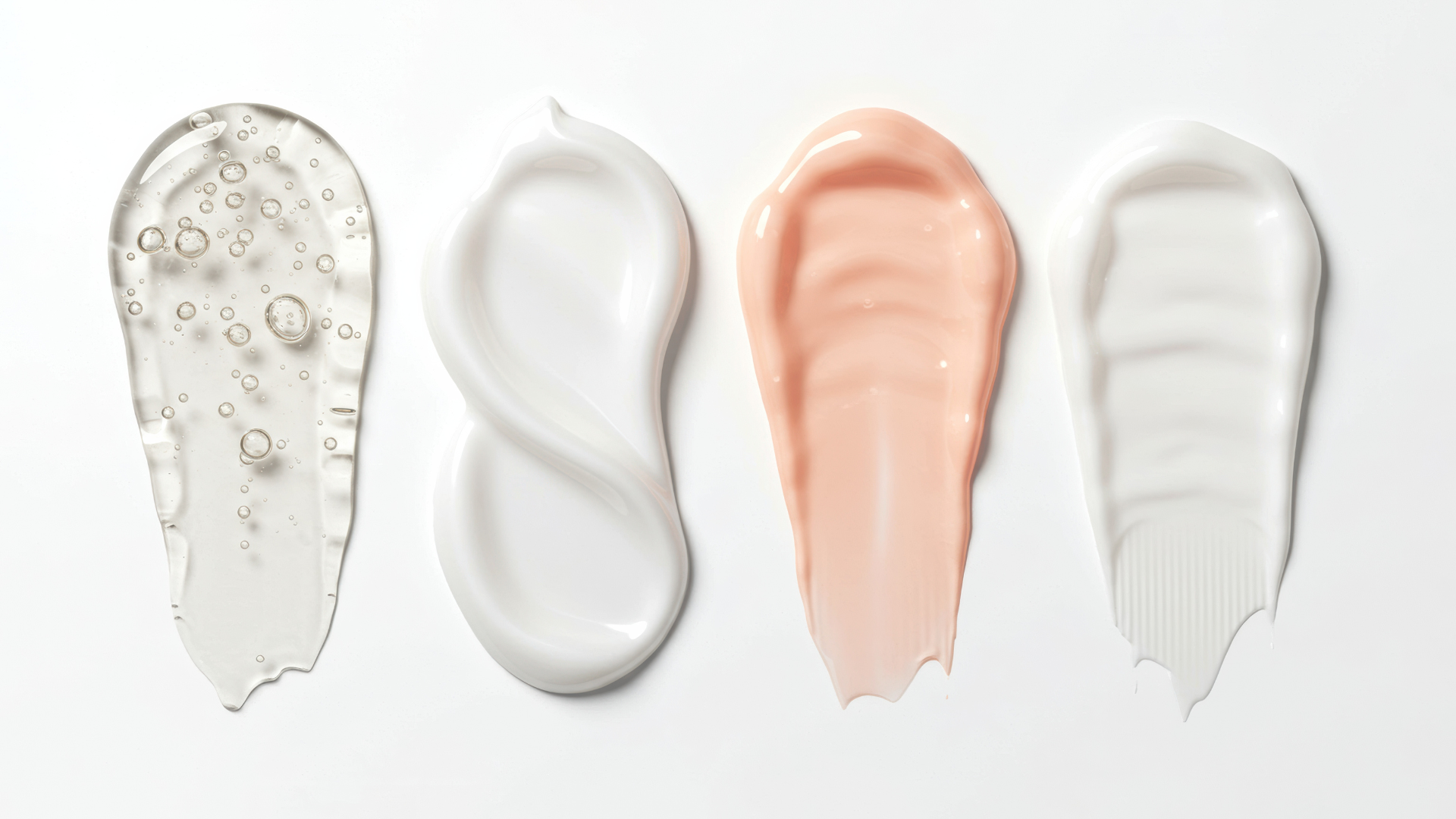
Layer moisturizers if needed — thin cream first, then occlusive ointment for maximum protection.
Lifestyle Habits That Support Winter Skin Health
1. Monitor and Reduce Triggers
-
Keep track of environmental triggers such as dust, pet dander, and seasonal pollen, which can exacerbate eczema in winter.
-
Avoid harsh cleaning products and fragranced household items that irritate sensitive skin.
2. Stress Management
-
Winter stress (holiday pressures, shorter daylight hours) can trigger flare-ups.
-
Incorporate mindfulness, yoga, or breathing exercises to reduce systemic inflammation.
3. Smart Clothing Choices
-
Soft, breathable fabrics prevent friction and irritation.
-
Wash clothes with hypoallergenic detergents and avoid fabric softeners containing fragrances or harsh chemicals.
Pro Tips for a Winter Eczema Routine
-
Moisturize Immediately After Showering – Lock in moisture while skin is damp.
-
Apply Barrier Cream Before Going Outdoors – Protect from wind and cold.
-
Use a Humidifier in Bedrooms and Living Areas – Maintain skin-friendly humidity.
-
Patch-Test New Products – Avoid flare-ups from new lotions or cleansers.
-
Layer Moisturizers for Extra Dry Areas – Cream first, then ointment for severe dryness.
Winter can be harsh on eczema-prone skin, but intentional daily habits make all the difference. By paying attention to temperature, humidity, skincare, and lifestyle, you can protect your skin, reduce flare-ups, and stay comfortable throughout the season.
With the right routine and mindful habits, winter doesn’t have to mean suffering from eczema. Calm, hydrated, and resilient skin is possible, even in the coldest months
GET THIS FOR FREE!
The Ultimate Anti-Inflammatory Recipe Guide: Clear Your Skin & Boost Your Health Naturally
We hate SPAM. We will never sell your information, for any reason.
