
Understanding the Skin Microbiome: Your Secret Weapon Against Eczema
Dec 10, 2025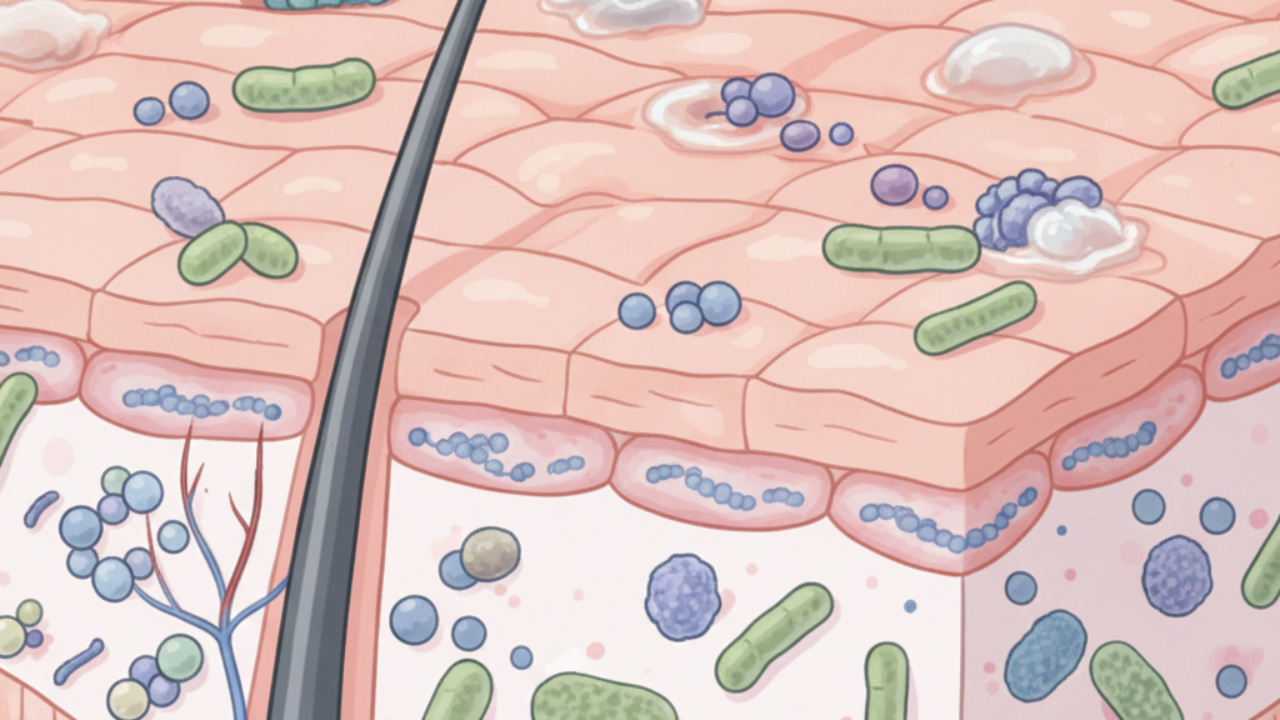
Your skin is more than just a protective layer—it’s a living ecosystem. At the heart of this ecosystem is the skin microbiome, a complex community of microorganisms that plays a vital role in your skin’s health. For people with eczema, understanding and caring for this microbiome can make a huge difference in preventing flare-ups and supporting long-term skin wellness.
What Is the Skin Microbiome?
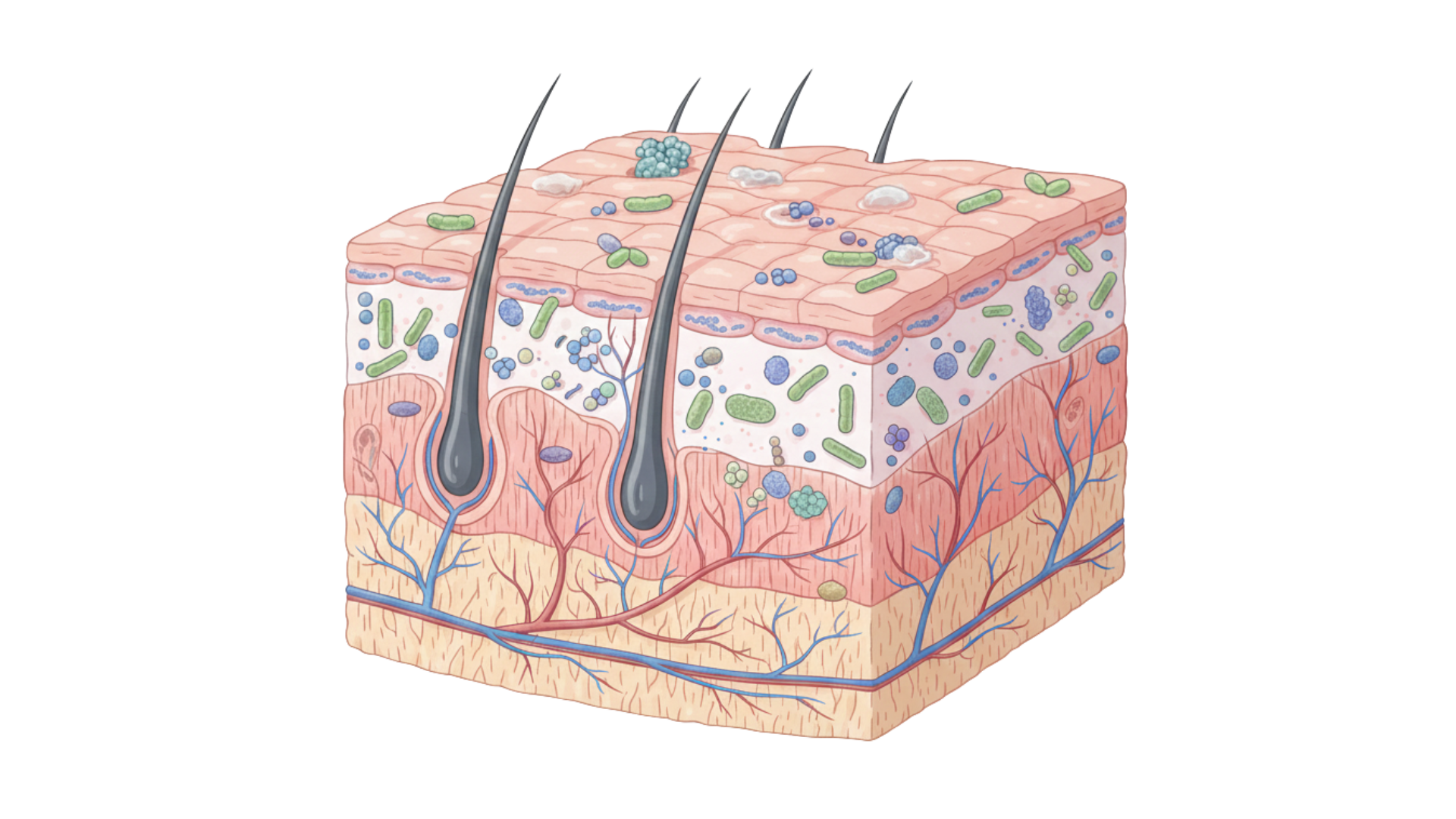
The skin microbiome is made up of trillions of microbes, including bacteria, fungi, viruses, and other microorganisms. These microbes live on your skin’s surface and within its layers, and they’re not just passive residents—they actively protect the skin barrier, regulate the immune system, and support healing and moisture retention.
Beneficial microbes help your skin defend against irritants, allergens, and harmful pathogens. A balanced microbiome also tells your immune system when to respond and when to stay calm, reducing unnecessary inflammation. Finally, microbes interact with your skin cells to maintain hydration, prevent dryness, and repair minor damage.
Think of your microbiome as a bustling city of microscopic allies working to keep your skin healthy, balanced, and resilient.
How the Microbiome Affects Eczema
In eczema, this delicate ecosystem is often out of balance. Overgrowth of harmful bacteria, such as Staphylococcus aureus, can trigger inflammation and worsen flare-ups. Reduced microbial diversity makes skin more vulnerable to irritation and infection, while barrier dysfunction creates an environment where harmful microbes thrive and beneficial microbes diminish.
This imbalance contributes to the classic signs of eczema: redness, itching, dryness, and frequent flare-ups. Supporting the microbiome is therefore a key part of eczema management—not just treating the symptoms.
How to Support Your Skin Microbiome
Gentle, Microbiome-Friendly Cleansing
Avoid harsh soaps and cleansers that strip the skin of natural oils and beneficial bacteria. Use fragrance-free, gentle cleansers formulated for sensitive skin or eczema.
Consistent Moisturization
A healthy skin barrier promotes microbial balance. Use rich moisturizers or ointments with ceramides, prebiotics, or microbiome-supporting ingredients to nourish the skin.
Limit Antibacterial Overuse
Frequent use of antibacterial soaps or hand sanitizers can kill both good and bad microbes. Stick to gentle cleansing and targeted antibacterial treatments only when necessary.
Topical Probiotics and Prebiotics
Products containing beneficial bacteria or prebiotic ingredients can help restore microbial diversity. These are especially useful for eczema-prone areas prone to dryness and inflammation.
Support From Within
Diet matters: A gut-friendly, anti-inflammatory diet rich in fiber, fruits, vegetables, and fermented foods supports your skin microbiome. Lifestyle habits such as adequate sleep, stress management, and avoiding smoking or excessive alcohol also protect microbial health.
Smart Daily Habits
Avoid hot showers—they can strip natural oils. Wear breathable, soft fabrics to reduce friction and irritation. Patch-test new skincare products to prevent upsetting your microbial balance.
The Takeaway
Your skin microbiome is more than a buzzword—it’s your skin’s first line of defense, a regulator of inflammation, and a partner in healing. By nurturing it with gentle care, targeted products, and supportive lifestyle habits, you can reduce eczema flare-ups, calm inflammation, and maintain resilient, healthy skin. Think of your microbiome as a thriving garden: the healthier it is, the stronger and happier your skin will be.
GET THIS FOR FREE!
The Ultimate Anti-Inflammatory Recipe Guide: Clear Your Skin & Boost Your Health Naturally
We hate SPAM. We will never sell your information, for any reason.
