
Topical Steroids for Eczema: What You Need to Know
Jan 15, 2026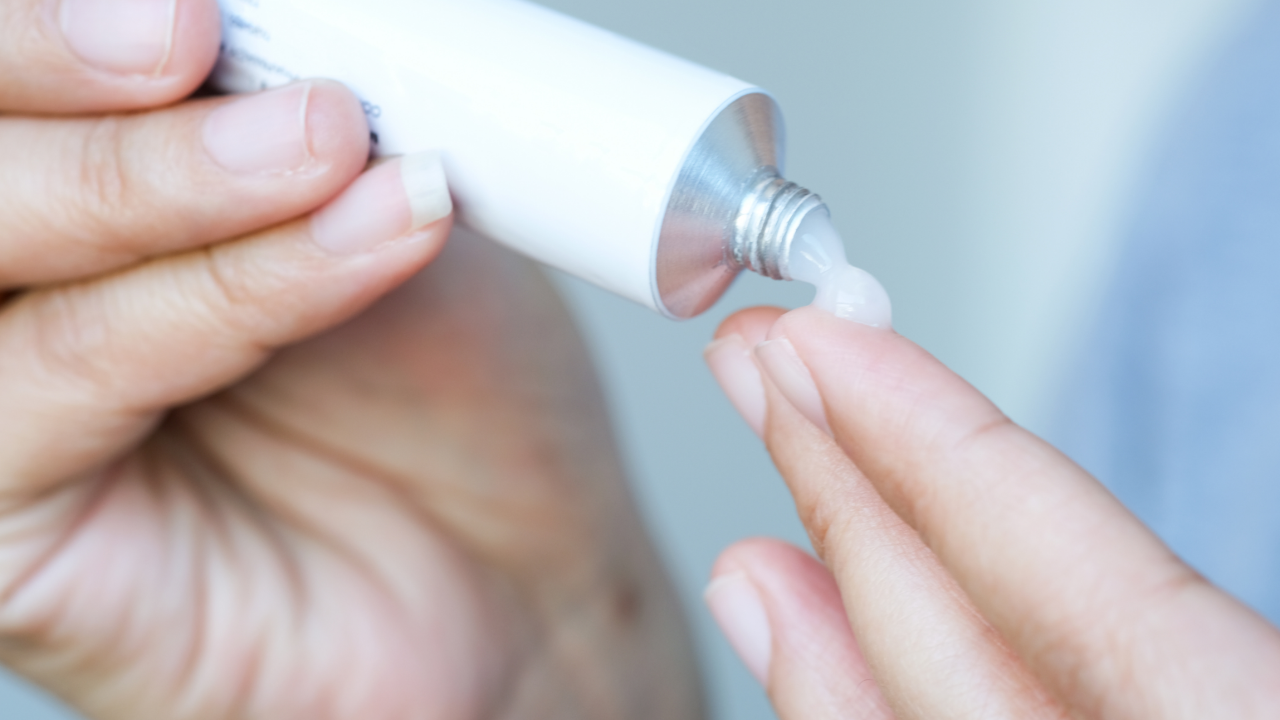
If you or someone you care for has eczema, chances are your doctor has prescribed topical steroids (also called corticosteroids) at some point. These medications are widely used because they are effective at quickly calming inflammation and relieving itching.
However, topical steroids are also surrounded by concerns and fear, especially about Topical Steroid Withdrawal (TSW), sometimes called Red Skin Syndrome. Many people worry that using steroids—even as prescribed—could lead to severe, long-lasting skin reactions. If this sounds familiar, you are not alone, and your fear is completely valid.
The good news is that when used correctly, topical steroids are safe and effective, and understanding TSW, proper use, and complementary approaches can help you manage eczema safely while minimizing risks.
How Topical Steroids Work
Topical steroids are anti-inflammatory medications applied directly to the skin. They help:
- Reduce redness, itching, and swelling by calming the overactive immune response
- Control flare-ups quickly, often providing relief within hours to days
- Support healing of inflamed skin and reduce discomfort
Think of steroids as a temporary “pause button” for inflammation, giving your skin a chance to recover while you address underlying triggers.
Understanding Topical Steroid Withdrawal (TSW)
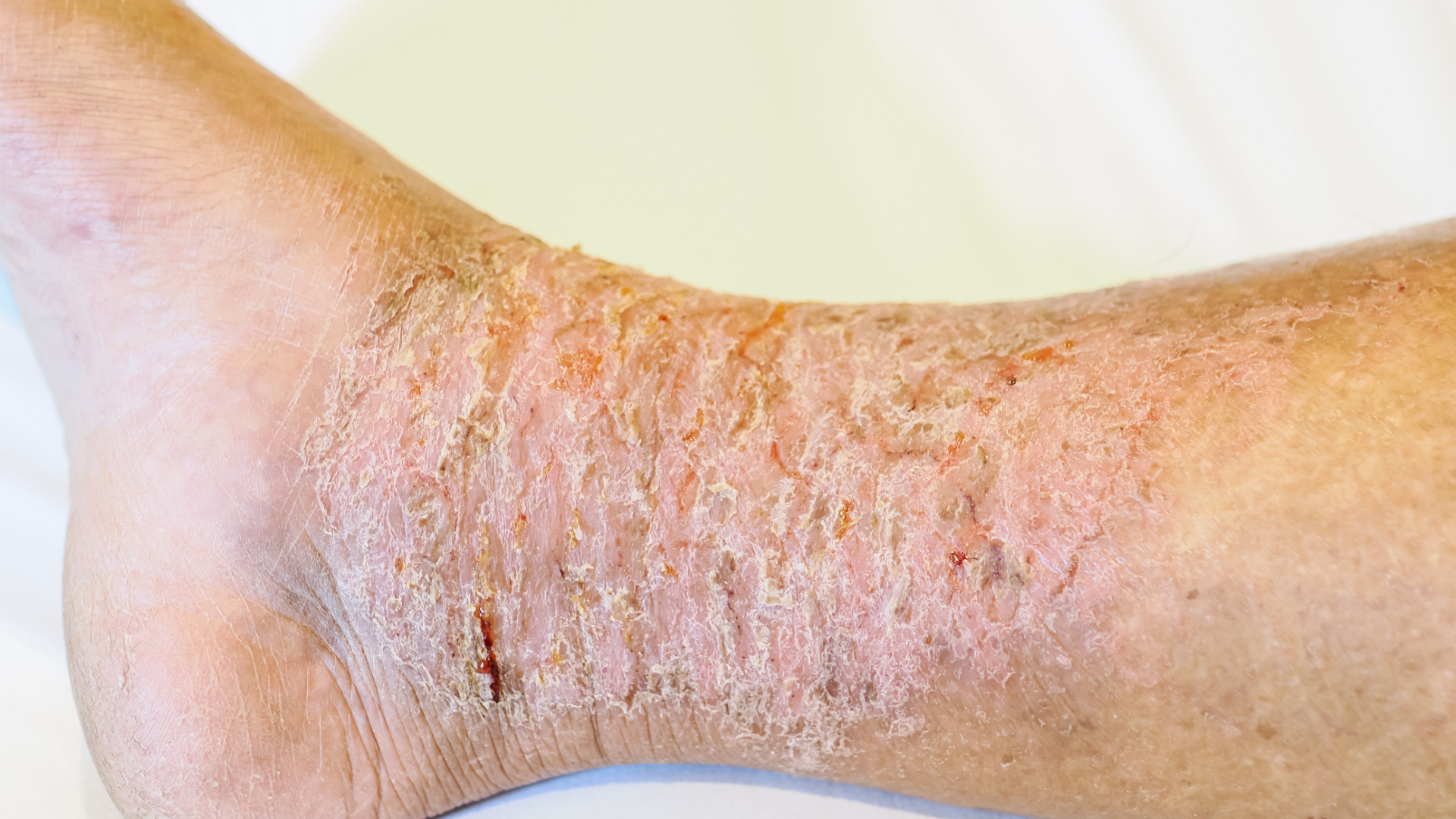
Many people’s main fear with topical steroids is TSW, which can occur after long-term or high-potency steroid use, especially when stopped abruptly. Symptoms can include:
- Severe redness and burning
- Intense itching or stinging
- Flaking, peeling, or oozing skin
- Swelling and discomfort that may affect sleep or daily life
TSW can sometimes be worse than the original eczema. The inflammation and discomfort can be intense, prolonged, and emotionally distressing. While TSW is uncommon when steroids are used correctly, it highlights why understanding proper use and tapering is essential.
Why Addressing Triggers Comes First
Even the best steroid cannot cure eczema, because flare-ups are often driven by underlying triggers, such as:
- Irritants like harsh soaps, fragrances, or detergents
- Allergens from dust, pollen, or pets
- Dry skin and barrier dysfunction
- Stress or hormonal changes
- Certain foods or gut imbalances
Focusing on trigger management and skin support reduces reliance on steroids and lowers the risk of long-term complications, including TSW.
How to Use Topical Steroids Properly
- Follow your healthcare provider’s instructions for potency, frequency, and duration
- Apply a thin layer to affected areas—more is not better
- Use only on active flare-ups; do not apply daily unless prescribed
- Avoid sensitive areas (like face or skin folds) with stronger steroids
- Moisturize regularly before and after application to support the skin barrier
Tip for peace of mind: If you are concerned about TSW, discuss tapering strategies with your dermatologist rather than stopping abruptly. Gradual reduction reduces the risk of withdrawal symptoms.
Alternatives and Complementary Approaches
For those cautious about steroids—or seeking long-term strategies—there are other options:
- Topical calcineurin inhibitors: Non-steroid medications that reduce inflammation
- Moisturizers and barrier creams: Strengthen skin and prevent dryness
- Anti-inflammatory lifestyle habits: Gut-friendly diet, stress management, and avoiding irritants
- Topical probiotics or prebiotics: Support the skin microbiome and reduce flare-ups
Combining these approaches with occasional steroid use can reduce flare frequency and severity, meaning you may need less medication over time and lower your risk of TSW.
Topical steroids are a powerful tool for managing eczema flare-ups, but they are not a cure. Their main role is to calm inflammation while you work on the root causes.
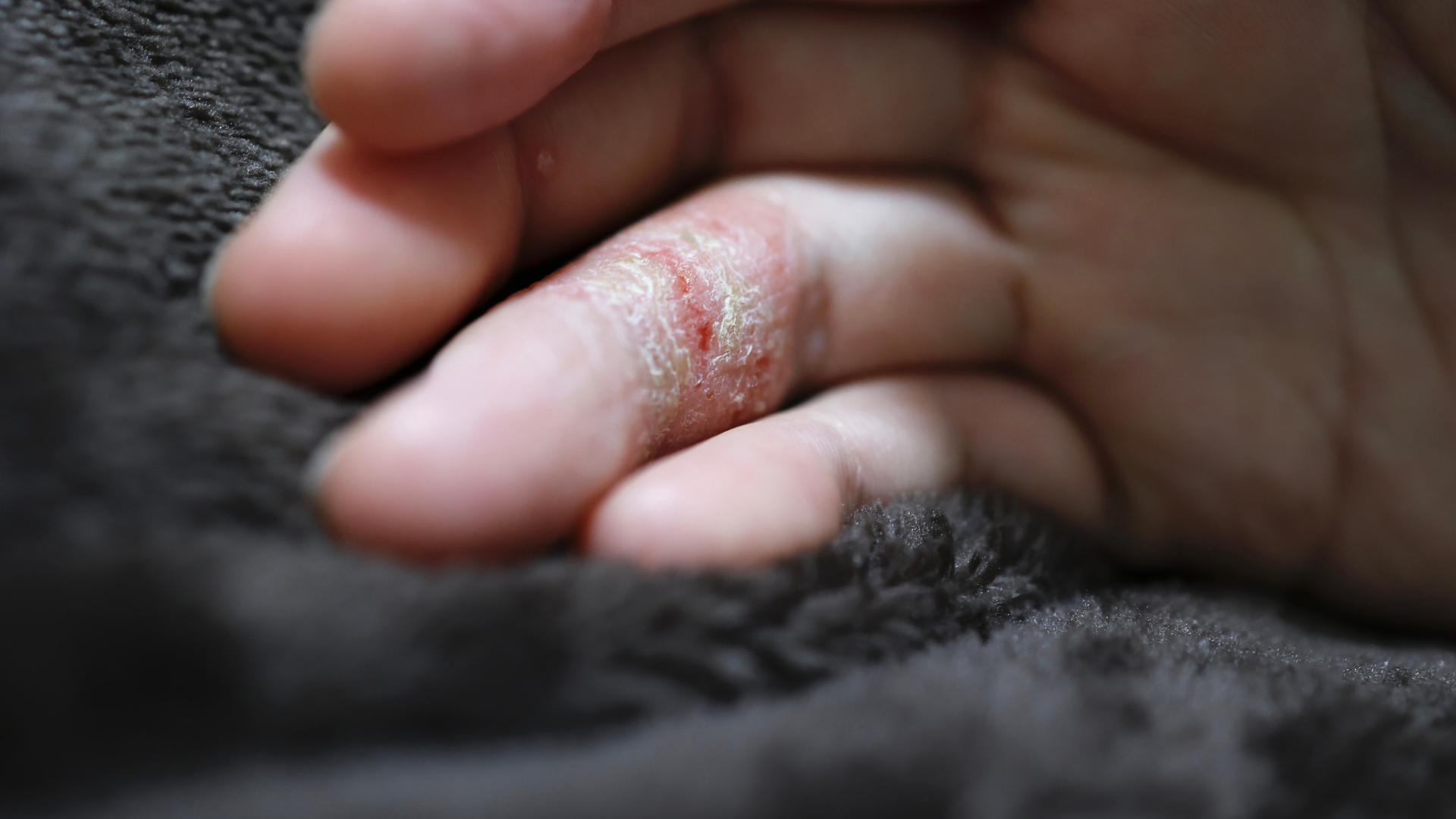
For those worried about TSW: It’s natural to be concerned because withdrawal can sometimes be worse than your eczema, with intense redness, burning, and itching. By using steroids responsibly, addressing triggers, supporting your skin barrier, and exploring complementary strategies, you can manage eczema safely and minimize risks.
Think of steroids as a helpful ally—not a long-term crutch. Focus first on trigger management and skin support, use steroids wisely, and remember that your skin can recover and thrive with the right care.
GET THIS FOR FREE!
The Ultimate Anti-Inflammatory Recipe Guide: Clear Your Skin & Boost Your Health Naturally
We hate SPAM. We will never sell your information, for any reason.
