
Is Eczema an Autoimmune Disease? Understanding the Immune Role and Inflammation
Feb 26, 2026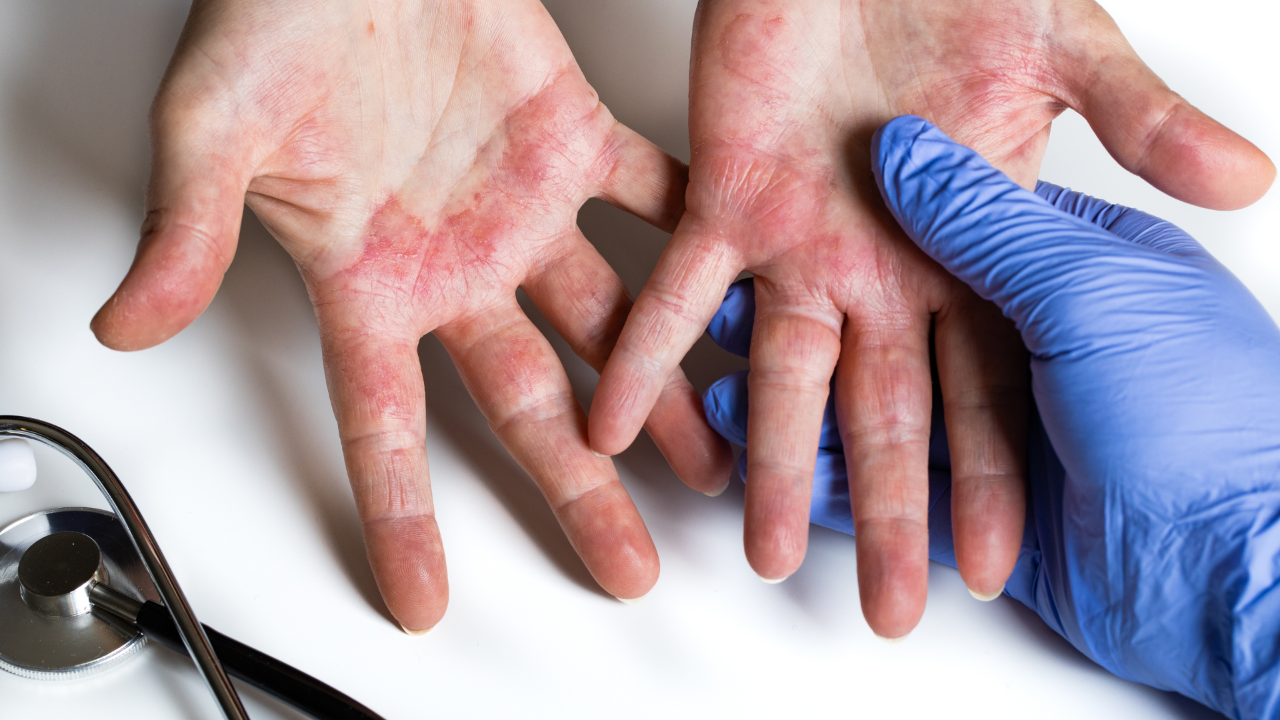
Eczema, or atopic dermatitis, affects millions of people around the world. It causes dry, itchy, and inflamed skin and can be frustrating to manage.
Because the immune system plays a big role in eczema, many people wonder: is it autoimmune? The short answer is: usually not.
Autoimmune diseases happen when the immune system attacks healthy cells by mistake. Examples include Type 1 diabetes, lupus, and rheumatoid arthritis. In these cases, the body actively harms itself.
In eczema, your immune system is overreacting to triggers, like allergens, irritants, or even a dry environment. It’s not attacking your healthy skin on purpose. This makes eczema an immune-mediated inflammatory condition, but not truly autoimmune.
How Your Immune System Affects Eczema
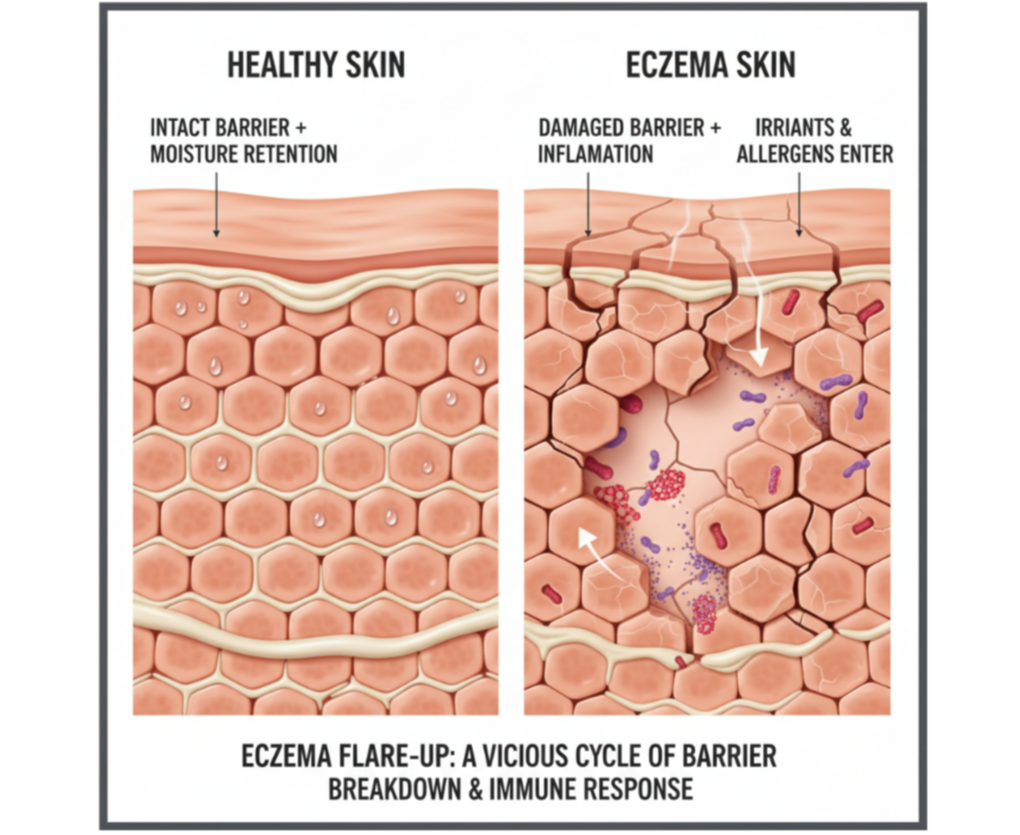
Your skin is not just a barrier—it’s an active immune organ. When it’s working normally, it protects you from bacteria, allergens, and irritants. In eczema, several things go wrong:
- A Weakened Skin Barrier
The outer layer of your skin protects against irritants and keeps moisture in. In eczema, this barrier is often compromised due to genetics or environmental factors. That makes it easier for irritants to enter and trigger an immune response. - An Overactive Immune Response
When irritants penetrate your skin, your immune system reacts strongly. Immune cells release signaling proteins, called cytokines, that cause redness, itching, and inflammation. Key players in eczema include Th2 cells and cytokines IL-4, IL-13, and IL-31. - Microbiome Imbalance
Eczema-prone skin often has fewer beneficial bacteria and more harmful ones, like Staphylococcus aureus. This imbalance can make inflammation worse and trigger more flare-ups.
Why People Sometimes Confuse Eczema With Autoimmune Disease
There are a few reasons:
- Immune-Modulating Treatments Work
Corticosteroids, Protopic, Elidel, and biologics like Dupixent help reduce immune activity. This makes it seem like eczema is autoimmune, even though these treatments are just calming an overactive response. - Overlap With Other Immune Conditions
People with eczema may have a slightly higher risk of certain autoimmune diseases, like thyroid disorders. That doesn’t mean eczema itself is autoimmune. - Chronic Inflammation Looks Similar
Eczema shares some inflammation patterns with autoimmune conditions, but the underlying cause is different. In eczema, the immune system reacts to external triggers, rather than attacking healthy tissue.
Why Understanding This Matters
Knowing that eczema is immune-mediated but not autoimmune changes how you approach it:
- Treatment is more targeted: Focus on repairing the skin barrier, reducing triggers, and managing inflammation rather than broad immune suppression.
- You can prevent flare-ups: By supporting your skin barrier and avoiding triggers, you can calm the immune response naturally.
- Long-term management is empowering: Lifestyle strategies like anti-inflammatory diet, stress management, and proper skincare help your skin stay resilient.
Practical Steps to Support Your Skin
Even though eczema isn’t autoimmune, calming inflammation and strengthening your skin barrier is key:
- Barrier Repair: Moisturizers with ceramides and lipids help keep your skin hydrated and protected.
- Targeted Treatments: Medications like Protopic or Dupixent help reduce immune signaling during flare-ups.
- Support Your Microbiome: Prebiotics and probiotics for the skin and gut may reduce chronic inflammation.
- Anti-inflammatory Lifestyle: Sleep well, manage stress, eat anti-inflammatory foods, and avoid known triggers to keep flare-ups at bay.

Eczema is not an autoimmune disease, but it is an immune-mediated inflammatory condition. Your immune system reacts too strongly to triggers, and your skin barrier struggles to protect you. Understanding this gives you the tools to:
- Calm inflammation
- Strengthen your skin barrier
- Reduce flare-ups
- Take control of your skin health
✨ Your eczema is your body’s way of sending messages. Listening and responding thoughtfully is the first step to healthier, calmer skin.
Sources
- National Eczema Association — Is Eczema an Autoimmune Disease?
- PubMed / NCBI — Barrier Dysfunction and Immune Responses in Atopic Dermatitis
- About Eczema — Is Eczema an Autoimmune Condition?
- HealthCentral — Understanding Immune Involvement in Eczema
- National Eczema Association — Types and Triggers of Atopic Dermatitis
GET THIS FOR FREE!
The Ultimate Anti-Inflammatory Recipe Guide: Clear Your Skin & Boost Your Health Naturally
We hate SPAM. We will never sell your information, for any reason.
