
Food Allergies vs. Food Intolerance: How They Really Affect Eczema and Your Skin Health
Feb 19, 2026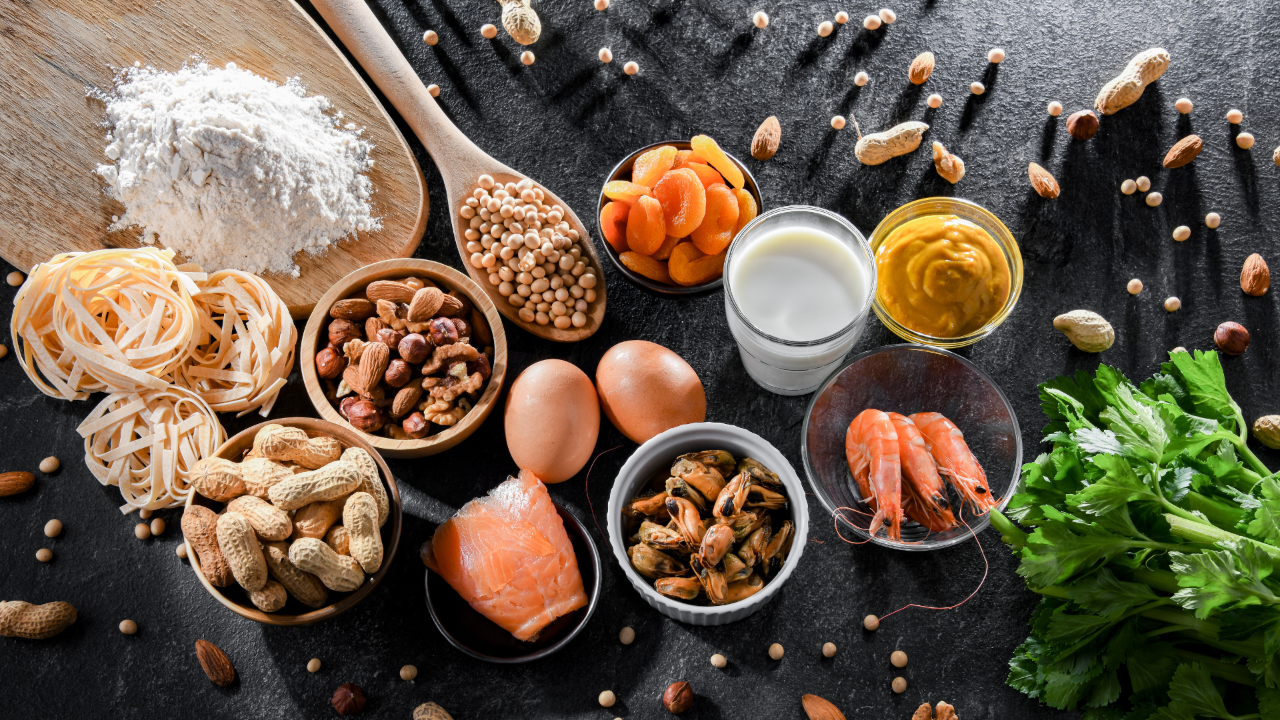
If you have eczema, you know how unpredictable it can be. One day your skin is calm, the next it’s inflamed and itchy, and sometimes it’s hard to figure out why. Naturally, many people wonder: “Could it be something I ate?”
Food can indeed influence eczema, but it’s rarely the whole story. Eczema is a complex condition influenced by genetics, immune system activity, skin barrier health, and environmental triggers. Food is just one piece of the puzzle — but an important piece, especially when it comes to identifying personal triggers safely.
Before trying elimination diets or guessing what to avoid, it’s essential to understand the difference between food allergies and food intolerances, because the body reacts very differently to each.
Food Allergies: When Your Immune System Overreacts
A food allergy happens when the immune system mistakenly treats a food protein as harmful. The body responds quickly, releasing chemicals like histamines, which can cause immediate and sometimes severe reactions.
Common Food Allergens Linked to Eczema
- Eggs
- Cow’s milk
- Peanuts and tree nuts
- Soy
- Wheat
Symptoms of a Food Allergy
- Hives or raised red bumps
- Swelling of lips, tongue, or throat
- Difficulty breathing or wheezing
- Sudden eczema flare-ups in sensitive individuals
⚠️ Important: Severe allergic reactions, such as difficulty breathing, can be life-threatening. If you suspect a serious allergy, consult an allergist immediately.

Food Intolerances: Subtle, Delayed Reactions
Unlike allergies, a food intolerance does not involve an immune attack. Instead, the body may struggle to digest, metabolize, or tolerate certain foods. Reactions are often delayed, subtle, and cumulative, which can make it harder to pinpoint the trigger.
Common Food Intolerances in Eczema
- Dairy products (especially lactose or milk protein)
- Wheat or gluten
- Fermented foods
- Additives, preservatives, and artificial coloring
Symptoms of Food Intolerance
- Digestive discomfort (bloating, gas, diarrhea)
- Gradual worsening of eczema over hours or days
- Fatigue, headaches, or brain fog
Even though these reactions are generally less severe than allergies, they can trigger systemic inflammation, subtly aggravating eczema and making flare-ups more frequent or intense.
Food Isn’t the Whole Story
It’s easy to assume that food is the main culprit behind every flare-up, but most eczema episodes are not solely food-related. Genetics, skin barrier dysfunction, immune overactivity, and environmental factors usually play a bigger role.
Extreme or unnecessary dietary restrictions can sometimes cause nutritional deficiencies, stress, or frustration, especially in children. Instead, the goal is to identify the specific foods that affect your skin in a safe and structured way.
Tracking Your Triggers: A Safe and Practical Approach
Identifying what triggers your eczema can feel overwhelming. Reactions may be delayed, subtle, or cumulative. This is where tracking and observation become invaluable.
One of the most effective tools for this is the Gentle Reset Journal. It’s designed to help you:
- Record meals, snacks, and beverages along with your skin condition
- Track flare-ups, sleep, and stress levels
- Notice patterns and identify personal triggers without guesswork
- Build daily habits that support anti-inflammatory skin health
By using the journal alongside the strategies below, you can turn guesswork into clarity and start making informed choices for your skin.
Steps to Identify Triggers Safely
- Keep a Detailed Journal
- Track meals, symptoms, and lifestyle factors like sleep, stress, and exercise
- Look for patterns over weeks, not just single meals
- Work With Professionals
- Allergists can confirm true food allergies
- Dietitians can guide elimination diets safely and ensure nutritional balance
- Use Careful Elimination and Reintroduction
- Remove suspected triggers for 2–4 weeks
- Reintroduce one food at a time while monitoring skin, digestion, and energy levels
- Focus on Anti-Inflammatory Foods
- Fatty fish, leafy greens, berries, turmeric, and healthy fats reduce systemic inflammation
- Minimize processed foods, refined sugars, and inflammatory fats

The Bigger Picture: Multi-Factorial Flare-Ups
Even with careful tracking, food is only one part of managing eczema. Other key contributors include:
- Skin barrier dysfunction – compromised skin is more sensitive to irritants
- Immune system activity – overactive immune responses can worsen eczema
- Environmental triggers – allergens, chemicals, plastics, and climate changes
- Lifestyle factors – stress, sleep quality, and daily habits
By combining tracking, professional guidance, anti-inflammatory habits, and environmental awareness, you can gain a more complete understanding of your eczema and reduce flare-ups safely.
Key Takeaways
- Food allergies involve the immune system and can cause immediate, severe reactions.
- Food intolerances are delayed reactions that may subtly worsen eczema over time.
- Most eczema flare-ups are multi-factorial, not just food-related.
- Tools like the Gentle Reset Journal make tracking triggers easy, helping you make informed choices for long-term skin health.
- Combining professional guidance with anti-inflammatory habits and consistent observation empowers you to manage eczema with confidence.
Understanding your body’s unique responses can transform how you approach eczema — moving from confusion and frustration to clarity, control, and calmer, healthier skin.
Download your Gentle Reset Journal: https://www.theantiinflammatorymindset.com/the-gentle-reset-journal
Sources
- National Eczema Association — Food and Eczema
- American Academy of Allergy, Asthma & Immunology — Food Allergies vs. Food Intolerance
- Mayo Clinic — Food Allergy vs Food Intolerance: What's the difference?
- National Library of Medicine — The Role of Food Allergy in Atopic Dermatitis
GET THIS FOR FREE!
The Ultimate Anti-Inflammatory Recipe Guide: Clear Your Skin & Boost Your Health Naturally
We hate SPAM. We will never sell your information, for any reason.
