
Biologic Therapy for Eczema: Relief, Risks, and Holistic Management
Jan 22, 2026
Living with eczema can be exhausting. Even with topical treatments like steroids or protopic, flare-ups sometimes persist, leaving your skin inflamed, itchy, and uncomfortable. For people with moderate-to-severe eczema, there’s a newer, targeted approach that addresses the root of the problem: biologic therapy.
Biologics aren’t just another cream—they work from the inside out to calm the overactive immune system driving your eczema.
What Are Biologics?
Biologic therapies are medications made from living organisms designed to target specific proteins in your immune system that cause inflammation. Unlike topical treatments that act on the surface of your skin, biologics work systemically, reducing the underlying immune response that triggers eczema.
The most well-known biologic for eczema is Dupixent (dupilumab), which has helped thousands of people gain long-term control over their flare-ups.
How Biologics Work
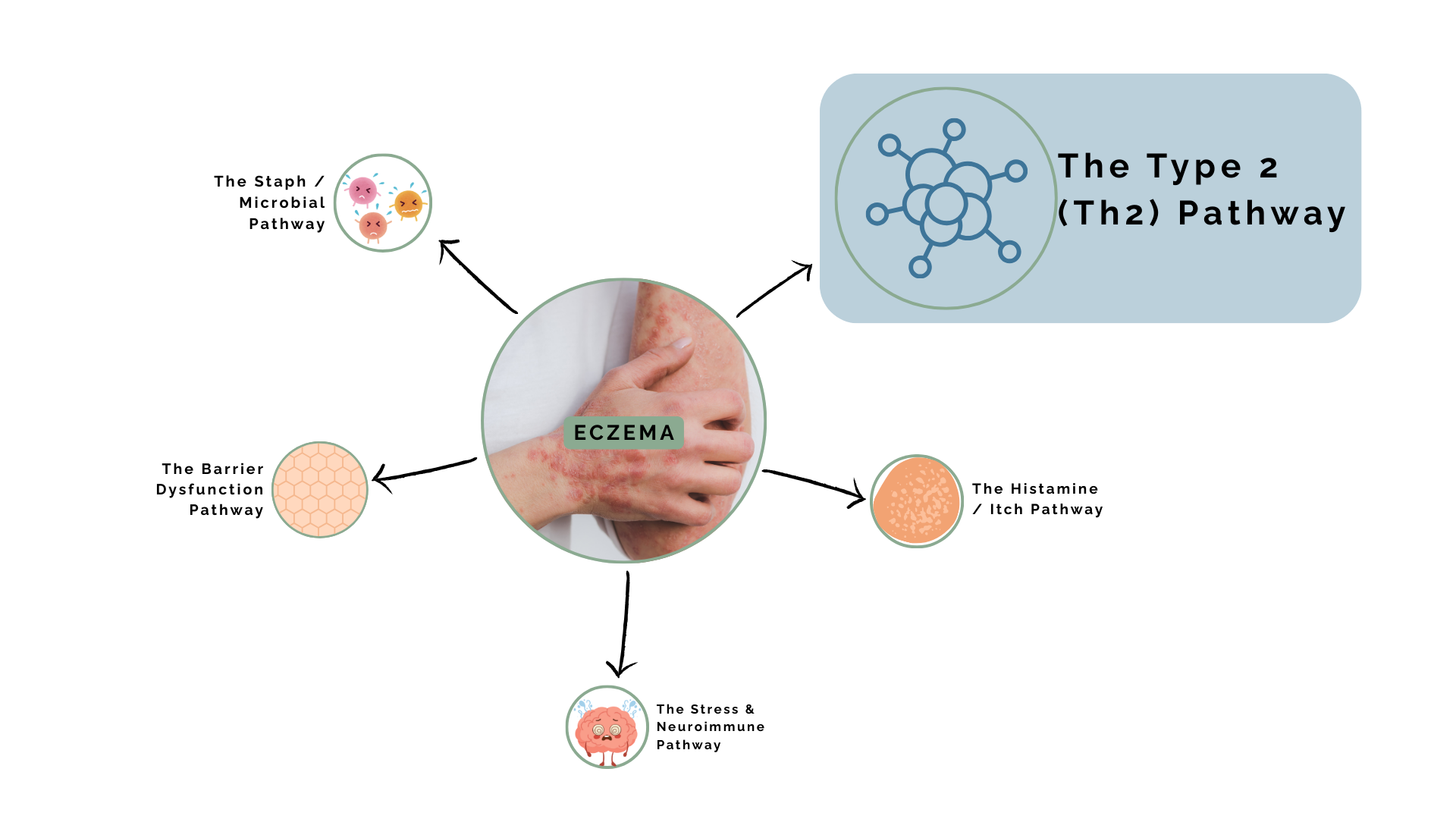
Eczema occurs when your immune system overreacts to triggers, causing redness, itch, and inflammation. Biologics like Dupixent specifically block proteins called interleukin-4 (IL-4) and interleukin-13 (IL-13), which are central to eczema-related inflammation.
This targeted approach:
- Reduces inflammation and redness
- Eases persistent itching
- Decreases the frequency and severity of flare-ups
- Supports natural skin healing
Think of biologics as calming the immune system from within, rather than just treating the visible symptoms.
Who Can Benefit from Biologic Therapy?
Biologics are ideal for people who:
- Have moderate-to-severe eczema not fully controlled by topical treatments
- Struggle with eczema on sensitive areas like the face, neck, or skin folds
- Want to reduce long-term steroid use or concerns about TSW
They’re prescribed by a dermatologist and usually used alongside moisturizers, gentle skincare, and trigger management.
Benefits of Biologic Therapy
- Significant relief from itch and inflammation
- Improved sleep, comfort, and quality of life
- Long-term control of eczema symptoms
- Reduced need for high-potency steroids or other topical medications
Considerations & Side Effects
Biologics are generally safe, but like all medications, they may have side effects:
- Injection site reactions (redness, swelling, tenderness)
- Eye irritation or conjunctivitis
- Mild cold-like symptoms
- Rare immune-related effects
Regular follow-up with your dermatologist ensures safe and effective use.
Supporting Biologic Therapy with a Holistic Approach
Even with biologics, eczema care is most effective when paired with daily skin support and lifestyle strategies:
- Moisturize consistently to strengthen your skin barrier
- Identify and manage triggers like harsh soaps, allergens, or irritants
- Support your skin microbiome with gentle, microbiome-friendly products
- Adopt anti-inflammatory lifestyle habits: healthy diet, stress management, and adequate sleep
Note: Biologics are not a lifetime cure or sole treatment for eczema. Understanding your own triggers, learning how your skin reacts, and developing communication with your body remain the best long-term tools for managing eczema sustainably.
Combining these practices with biologic therapy helps maximize relief, prevent flare-ups, and promote long-term skin health.

Biologic therapy is a game-changer for people with moderate-to-severe eczema. By targeting the immune system directly, biologics like Dupixent offer relief from stubborn flare-ups, reduce the need for long-term steroid use, and support healing from the inside out.
If eczema has been a constant struggle, biologics provide a modern, targeted solution, but the ultimate key to lasting skin health is understanding your triggers, nurturing your skin, and learning how to respond to it every day.
GET THIS FOR FREE!
The Ultimate Anti-Inflammatory Recipe Guide: Clear Your Skin & Boost Your Health Naturally
We hate SPAM. We will never sell your information, for any reason.
