
Why Fall Can Change Your Skin So Quickly
You didn't necessarily change your skincare routine. You didn't suddenly buy five new products. And yet your skin feels different.
Maybe your face feels tighter after cleansing. Your moisturizer doesn't seem like enough anymore. Your skin is more reactive than usual, with more flaking, redness, or irritation. Or maybe the products that worked all summer suddenly don't feel right.
So what changed?
Sometimes the environment around your skin changes first. As summer gives way to fall, temperature, humidity, sunlight exposure, indoor environments, and daily routines all shift, and your skin has to respond to that. That doesn't mean every seasonal change causes a flare, or that everyone needs a brand new routine. It does mean your skin may need something different from you as the environment changes.
Your Skin Doesn't Live In A Bubble
We tend to think about skincare as if the only variables are the products going on our face: cleanser, moisturizer, serum, treatment, sunscreen. But skin is interacting with the environment all day long.
Temperature and humidity influence skin hydration and other barrier measurements, and research has found seasonal differences in things like hydration, sebum production, and transepidermal water loss. The exact changes aren't identical for everyone, and the research on seasonal effects isn't completely consistent either. That matters, because there's no single universal "fall skin" experience.
One person notices dryness. Someone else notices more sensitivity. Someone with acne might notice a different balance between oil, dryness, and breakouts. Someone with eczema or rosacea might find their usual triggers feel different. The season changes the conditions your skin is working in.

Why Fall Feels So Different From Summer
Summer usually means heat, sweat, humidity, and more time outdoors. Then fall arrives. Temperatures drop, humidity often decreases, more time gets spent indoors, and eventually heating systems dry out indoor air too.
The American Academy of Dermatology notes that lower humidity and colder weather can make it harder for skin to retain moisture, while indoor heating can contribute to dry, irritated skin. For some people, that shows up as tightness after washing, flaking or rough texture, dry or cracked lips, itching, noticeable sensitivity, stinging when applying products, redness, or hands that turn especially dry. If your skin already leans toward inflammation or sensitivity, these changes tend to stand out even more.
Here's where I want to be careful, though: not every fall skin change is a "damaged skin barrier," and not every change means you need to overhaul your routine.
Your Summer Routine May Not Hold Up In Fall
This is one of the biggest things I want you paying attention to. A routine that felt perfectly comfortable in July can feel completely different by October.
Maybe your lightweight moisturizer was enough when the air was humid, but now your skin feels tight by the afternoon. Maybe you were exfoliating a few times a week because your skin tolerated it fine over summer, and now you're noticing more stinging or dryness. Maybe you're washing your face exactly the same way, but your skin just doesn't feel the same afterward.
That doesn't automatically mean the product is bad. It may mean your skin's needs have changed. The AAD recommends adjusting skincare to seasonal conditions, noting that creams and ointments can work better for dry skin than lighter lotions, and generally recommends gentle, fragrance-free products along with avoiding very hot water when skin is dry or irritated. The goal isn't to toss everything and start over. It's to notice what your skin is actually telling you.
It Isn't Only About Dryness
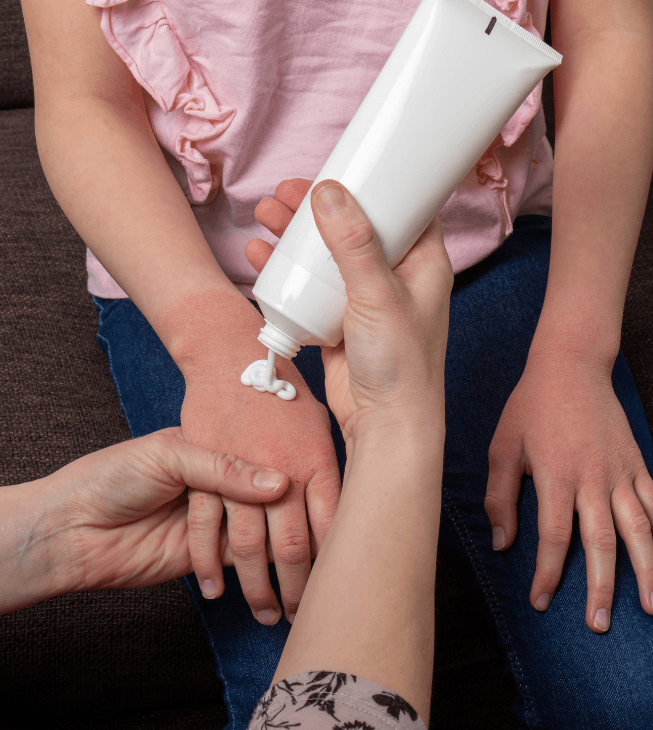
When people think "fall skin," they usually think "my skin is dry." But seasonal changes show up in more ways than that. Skin might feel more reactive. A product you've used comfortably for months might suddenly sting. You might notice more redness, a shift in oil production or breakouts, or an inflammatory skin condition that's become harder to manage.
Research on seasonal skin changes shows that parameters like hydration, transepidermal water loss, and sebum production can shift across seasons, but these changes vary between people and between studies. That's another reason not to assume every skin concern has the same seasonal explanation. Your skin's response is personal, which is exactly why copying someone else's "fall skincare routine" off the internet isn't necessarily the answer for yours.
What Should You Actually Do?
Before replacing your entire routine, pause and work through a few questions.
What actually changed? The weather, your indoor environment, your cleansing habits, product frequency, makeup, shower temperature, exercise routine, or something unrelated to skincare entirely. Don't assume the first thing you notice is automatically the cause.
What is your skin actually doing? Dry, itchy, burning, breaking out, red, suddenly more sensitive. "Something is wrong with my skin" isn't specific enough to act on. "Every time I wash my face it feels tight and stings when I apply moisturizer" gives you something to actually work with.
Does your routine still feel comfortable? This is where small adjustments come in. You might need more moisturizing support, less frequency on an irritating active, cooler water, or a temporarily simpler routine. Or you might not need to change anything at all. Don't overhaul your entire routine just because the calendar says fall. Let your skin give you the reason first.
Don't Forget About Indoors

We tend to focus so much on outdoor weather that indoor environments get overlooked. As temperatures drop, heating systems run more often, and the AAD notes that indoor heating can contribute to dry skin by pulling moisture out of the air. That means your skin could be dealing with a very different environment across your morning walk, your car, your workplace, and your bedroom.
If persistent dryness is an issue, a humidifier is worth considering, though it needs regular cleaning to prevent mold and microbial growth. This isn't about turning your home into a rainforest. It's about looking at the whole picture your skin is operating in.
And Don't Skip Sunscreen
Fall doesn't put your sunscreen on vacation. UV exposure doesn't disappear just because the temperature drops, so daily sun protection still matters if you're spending time outdoors. Skin feeling drier in fall doesn't mean abandoning products that have worked well for you. Sometimes the adjustment is as simple as changing the texture or layering of your moisturizer while keeping the rest of your routine exactly as it was.
The Biggest Mistake: Assuming Every Change Needs A New Product
This is where I see people get into trouble. Skin feels dry, so they buy a new serum. Then a new moisturizer. Then an exfoliant. Then an oil. Then a mask. Suddenly their skin is reacting to four new variables at once, and there's no way to tell which change helped, which one irritated things further, or whether the original issue would have settled with one simple adjustment.
More skincare isn't automatically more support. Sometimes understanding the change matters more than adding another product to it.
Fall Is A Good Time To Notice Patterns
Instead of "fall ruined my skin," try asking "what actually changed around my skin?" Maybe it's temperature, dropping humidity, more time indoors, longer or hotter showers, a shift in exercise, different sleep, or a new product. Sometimes there isn't one obvious explanation at all.
Skin is influenced by multiple factors, and seasonal change is one piece of that picture. Research also shows the effects of climate and season on skin are genuinely complex, with some studies finding different or even contradictory results depending on the environment and the measure being studied. That's exactly why I don't want you chasing every possible trigger. I want you noticing patterns.
Fall Skincare Doesn't Have To Be Complicated
You don't need a completely different routine every season. You mostly need to pay attention to what your skin is doing and make thoughtful adjustments when something has genuinely changed. Keep things gentle, support your skin when it's dry or irritated, avoid automatically dialing actives up or down, and don't introduce several new products at once. If a change is persistent, severe, painful, or isn't improving with simple adjustments, that's a good reason to talk with a dermatologist instead of continuing to experiment on your own.

Your skin is constantly responding to its environment. That doesn't mean every change is a problem. It means your skin is giving you information.
So this fall, instead of asking "what new product should I buy," try asking "what changed, and what is my skin actually telling me?" That small shift is what moves you from constantly reacting to your skin toward actually understanding it.

Calm your skin, reclaim your comfort, and embrace a healthier, more balanced life.



Get in touch
Feel free to get in touch with us via email: support@theantiinflammatorymindset.com
TAIM | Privacy Policy | Terms and Conditions