
Daylight Saving Time Is Changing Your Schedule. Can Your Skin Notice?
Every year we change the clocks. One hour forward, one hour back. And somehow that single hour manages to make your entire schedule feel a little off. You're tired at a different time, hungry at a different time, and your morning routine feels slightly strange. Maybe you're running on less sleep for a few days.
If you deal with eczema, acne, rosacea, psoriasis, or another inflammatory skin condition, you might start wondering: can my skin actually notice the time change too?
The short answer is that skin is connected to your body's internal clock, but that doesn't mean Daylight Saving Time itself causes a flare. The more interesting question is what happens around the clock change.

Skin Has Its Own Rhythm
We usually think of circadian rhythm as whatever controls when we're awake and asleep, but skin has biological rhythms of its own. Research shows skin cells carry their own circadian clocks, involved in processes like cell activity, immune response, blood flow, temperature regulation, and repair. Skin isn't disconnected from what's happening in the rest of the body across the day and night.
Light is one of the most important signals syncing the body's central circadian clock, and other cues, including food timing, exercise, and temperature, influence clocks in peripheral tissues like skin as well. So when a schedule suddenly shifts, there's more going on than just a different number on the clock.
Does The One-Hour Change Actually Cause A Flare?
Not necessarily, and this is where caution matters. There isn't evidence to support "Daylight Saving Time causes eczema," or "the time change causes acne," or "your rosacea will flare because the clocks changed." Skin conditions are far more complicated than that.
What we do know is that sleep and circadian rhythms connect to skin physiology, and sleep disruption has been associated with inflammatory skin conditions and changes in skin function. So rather than blaming the clock itself, it's more useful to think about what the clock change actually shifts in your routine. That's where things get interesting.
Sleep Can Shift More Than You'd Expect
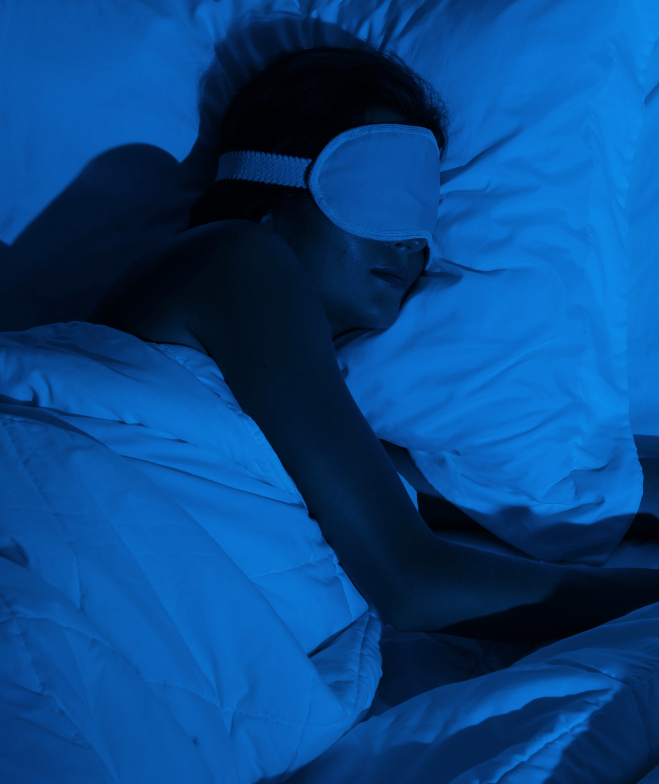
Even a small schedule change can leave a day feeling slightly out of sync. Maybe bedtime stays the same by the clock, but your body isn't actually ready for sleep yet. Maybe you're waking up earlier than you'd like, or simply running on less sleep for a few nights while things settle.
Sleep matters for overall skin function, and research continues to connect sleep disruption, circadian rhythms, and skin health. So if skin seems a little different after a schedule disruption, don't jump to assuming a brand new skin problem has shown up. Look at the bigger picture first: how has sleep actually been?

Morning Light Shifts Too
Light is one of the major signals regulating the circadian system, and when the clocks change, the timing of daylight relative to your schedule shifts along with it, which affects when you're exposed to morning and evening light.
The body doesn't just glance at a clock and adjust on command. It responds to environmental cues, which is exactly why consistent light exposure and a regular sleep-wake schedule support circadian alignment. This isn't about obsessing over the exact minute you catch sunlight. It's simply another reason to pay attention to your routine as the seasons and clocks shift.
Your Skincare Routine Can Shift Without You Noticing
This one is easy to miss. Maybe you normally wash your face at 9pm, and after the time change you're exhausted by 8. Maybe you're traveling, your work schedule changed, dinner is later, or you're skipping your usual nighttime routine because all you want is to get into bed.
None of that automatically causes a flare, but it does change your overall routine, and for already-reactive skin, those small shifts are worth noticing. You might suddenly be washing your face at a different time, going to bed with makeup still on, applying treatments inconsistently, showering or exercising at different times, spending more or less time outside, or eating and drinking on a different schedule. Sometimes what looks like a skin problem is really a routine change worth investigating first.
The Season Is Changing Too, Not Just The Clock
This matters because Daylight Saving Time never happens in isolation. The clocks shift right around the time your environment is shifting too: temperature, humidity, daylight, indoor heating or cooling, outdoor activity, work and school schedules. All of it affects what skin is exposed to, on top of everything seasonal change already brings.
So if skin looks different around the time the clocks change, don't automatically blame Daylight Saving Time. Ask what else changed. That's a far more useful question.

What Can You Actually Do To Help Your Routine Adjust?
You don't need to redesign your skincare routine every time the clocks change. I wouldn't. Focus on consistency instead.
Keep sleep as steady as you can. Give your body time to adjust rather than forcing a big change all at once. A relatively consistent sleep and wake schedule supports circadian rhythm.
Get regular daytime light. Light is a key cue for your internal clock, and natural light during the day helps reinforce the difference between day and night.
Keep your skincare simple. This isn't the week to introduce four new active ingredients because your skin looks slightly different. If skin is already unsettled, keep close track of what's actually being used.
Pay attention to patterns. If skin changes after a schedule disruption, write it down, not to turn it into a spreadsheet, but because patterns tell you something isolated events can't. What happened, when did it happen, what else changed, and did skin return to normal once the routine settled? That's far more informative than blaming the clock itself.
Skin Doesn't Know What Time It Is On The Wall
Technically, skin is part of a circadian system that responds to environmental cues, but you get the idea. Skin isn't checking your phone and reacting to "7am instead of 6." What actually matters is the collection of changes happening around that time: sleep, light exposure, daily schedule, habits, environment, and your individual skin condition. That's exactly why there's no reason to panic if skin feels a little different after the clocks change. Get curious instead.
Think Beyond The Clock
Understanding skin is largely about looking for patterns instead of isolated events. If skin changes around Daylight Saving Time, ask what changed alongside it. Maybe sleep got disrupted, the schedule got more hectic, meals shifted, skincare got inconsistent, or the weather changed too. Or maybe skin simply had a normal fluctuation that happened to land at the same time.
You don't have to pin it on one single thing. You can just notice. The goal was never controlling every variable in life to chase perfect skin. It's understanding skin well enough to recognize what's actually worth paying attention to.
So when the clocks change, give yourself a little time to adjust. Skin doesn't need a completely new routine. It may just need you to notice what changed.

Calm your skin, reclaim your comfort, and embrace a healthier, more balanced life.



Get in touch
Feel free to get in touch with us via email: support@theantiinflammatorymindset.com
TAIM | Privacy Policy | Terms and Conditions