
Why Your Skin Needs a Personalized Approach to Inflammation
If you've spent enough time online looking for answers about your skin, you've probably noticed something frustrating.
Everyone seems to have the answer.
"Cut dairy."
"Stop eating sugar."
"Use this ingredient."
"Avoid that ingredient."
"Fix your gut."
"Repair your skin barrier."
"Take this supplement."
"Follow this routine."
And if none of it works?
You may start wondering what you're doing wrong.
But what if the problem isn't that you haven't found the right universal solution?
What if your skin needs a more personalized approach?

Your Skin Is Not A Formula
Two people can have the same diagnosis and completely different experiences.
Two people with eczema may have different triggers.
Two people with acne may respond differently to the same treatment.
Two people with rosacea may notice completely different environmental factors.
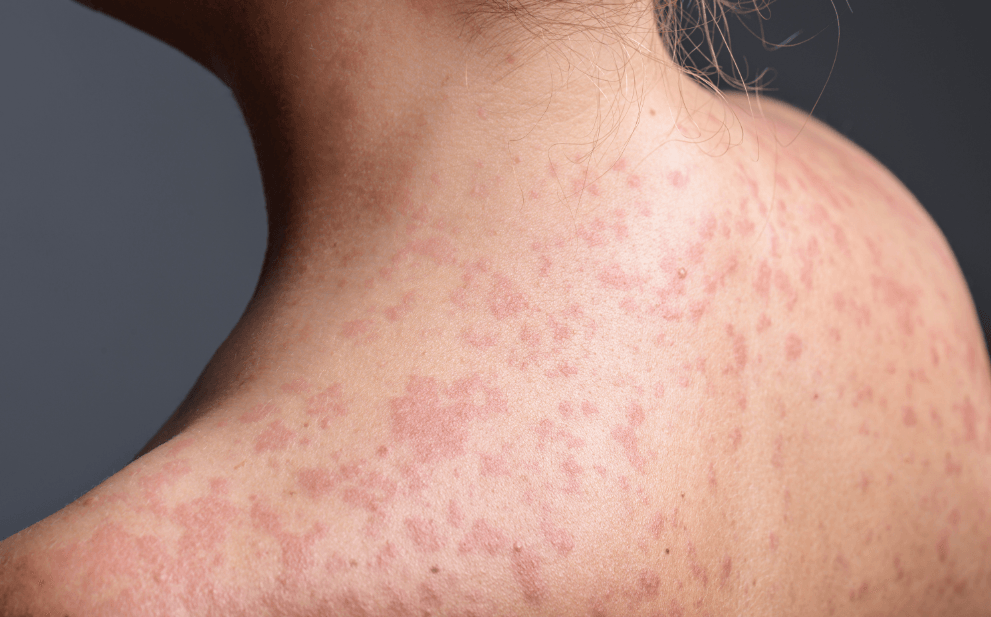
And two people with psoriasis may have different symptoms, affected areas, and treatment needs.
That's because a diagnosis gives us important information, but it doesn't tell us everything about an individual person's skin.
Your skin exists within the context of your genetics, immune system, environment, lifestyle, medications, skincare habits, and overall health.
The diagnosis is part of the story. It isn't always the entire story.
What Does "Personalized" Actually Mean?
Personalized skin health doesn't mean creating an elaborate routine with 15 products specifically chosen for you.
It doesn't mean ordering every test available.
And it doesn't mean constantly changing your diet or lifestyle.
At its simplest, personalization means asking:
What is happening with this person's skin, and what factors may be relevant to them?
That might include looking at:
Your specific skin condition
Your symptoms
Your skin's tolerance
Your current skincare routine
Your environment
Your lifestyle
Your individual patterns
Your medical history
Your treatment history
Your goals
The answers will look different from person to person.
Start With The Diagnosis
This may sound obvious, but it's one of the most important steps.
Redness isn't a diagnosis.
Dryness isn't a diagnosis.
Breakouts aren't a diagnosis.
"Inflammation" isn't a diagnosis.
Different conditions can share symptoms, and treating the wrong condition can lead to frustration.
For example, what looks like acne may not always be acne.
Facial redness doesn't automatically mean rosacea.
A rash isn't automatically eczema.
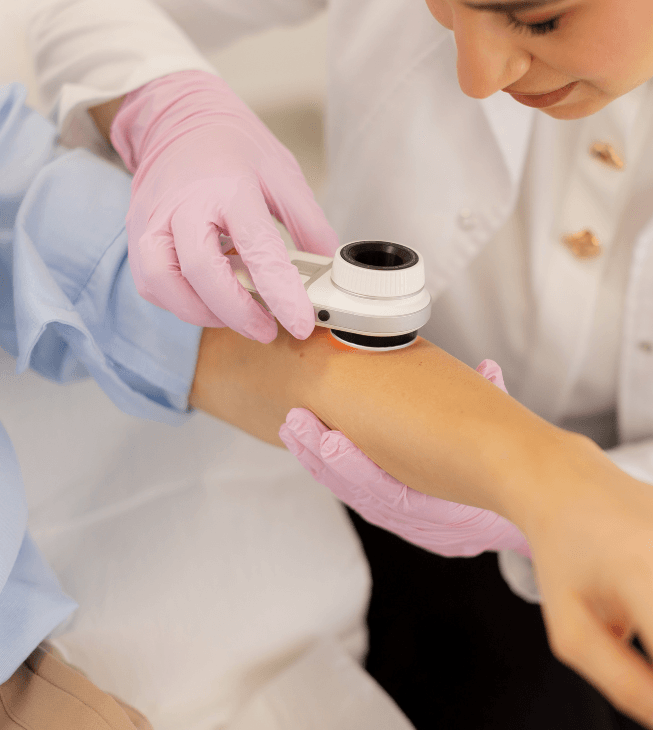
Getting an appropriate diagnosis gives you a much stronger starting point.
Then Look At The Skin Itself
Once you understand what you're dealing with, consider how your skin behaves.
Is it:
Dry?
Oily?
Sensitive?
Easily irritated?
Itchy?
Burning?
Flaky?
Congested?
Reactive to certain products?
These characteristics don't replace a diagnosis.
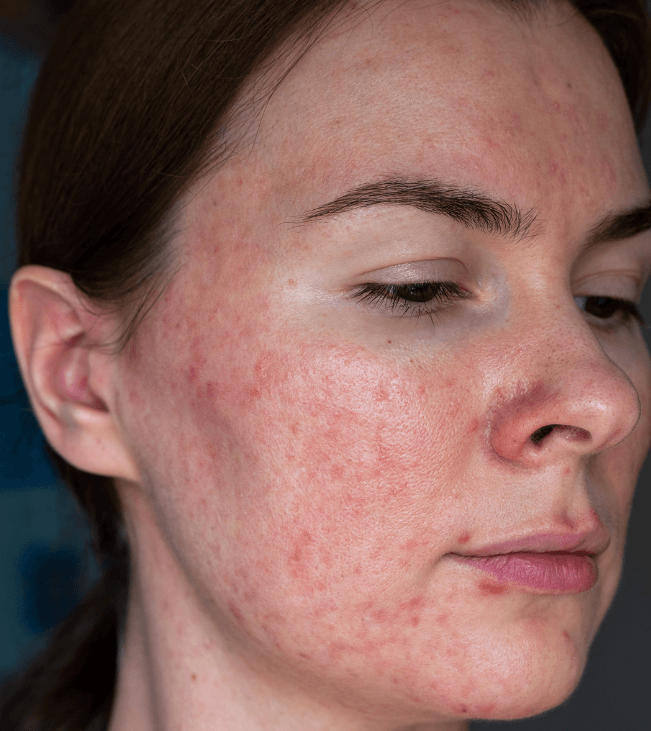
But they can help you understand what your skin may tolerate and what types of routines may be more comfortable.
Your Triggers Are Personal Too
One of the biggest problems with online skin advice is the assumption that everyone has the same triggers.
They don't.
One person's eczema may become worse during cold, dry weather.
Another person may notice more symptoms during periods of stress.
Someone with rosacea may notice heat and alcohol as personal triggers.
Another person may not.
Someone with acne may notice patterns related to certain products or hormonal changes.
And someone else may not notice a clear trigger at all.
Your experience is worth paying attention to, but it doesn't automatically become a rule for everyone else.
Don't Confuse Correlation With Causation
This is especially important when you're tracking your skin.
Let's say you eat a certain food on Monday and notice a flare on Wednesday.
It's understandable to wonder whether the food caused it.
But one occurrence doesn't establish a cause-and-effect relationship.
There may have been other factors involved.
Maybe you didn't sleep well.
Maybe you were stressed.
Maybe the weather changed.
Maybe you used a different product.
Maybe your skin was already beginning to flare.
This doesn't mean you should ignore patterns.
It means you should look for repeated patterns rather than isolated events.
Your Skincare Routine Should Serve Your Skin
Your skincare routine doesn't need to follow the latest trend.
And it doesn't need to look like someone else's.
A routine should be appropriate for your skin, your condition, and your goals.
For someone with highly reactive skin, a complicated routine with multiple active ingredients may be difficult to tolerate.
For someone treating acne, certain active ingredients may be important.
For someone with rosacea, minimizing irritation may be particularly important.
For someone with psoriasis, skincare may need to complement a broader treatment plan.
The point isn't that one routine is better than another.
The point is that the right routine depends on the person.

Lifestyle Matters, But Don't Turn It Into Another Source Of Pressure
This is another area where personalization matters.
Sleep, stress, movement, nutrition, and environmental exposures can all be relevant to overall health.
But "healthy lifestyle" shouldn't become another checklist you feel guilty about failing.
You don't need perfect sleep every night.
You don't need a perfect diet.
You don't need to eliminate every possible environmental trigger.
You don't need to meditate for an hour every morning.
Health is not an all-or-nothing project.
Instead, focus on realistic habits that you can actually sustain.

Nutrition Should Be Personalized Too
The internet loves simple nutrition rules.
"No dairy."
"No gluten."
"No sugar."
"Only anti-inflammatory foods."
"Never eat nightshades."
These claims can sound convincing because they're simple.
But people have different nutritional needs, health histories, preferences, and tolerances.
Nutrition should support your overall health rather than becoming another source of fear.
Instead of asking:
"What foods am I supposed to avoid?"
Try asking:
"What nourishing foods can I consistently include?"
That small shift can make the conversation much more sustainable.

Your Skin Doesn't Need Perfection
One of the most damaging ideas in skin health is that you should be able to control every flare if you just try hard enough.
But inflammatory skin conditions can fluctuate.
You can follow your routine and still have a flare.
You can eat well and still have acne.
You can support your skin barrier and still experience irritation.
You can manage your triggers and still have unpredictable symptoms.
That doesn't mean you're failing.
Skin health isn't about achieving perfect control over every variable.
It's about building a thoughtful approach that helps you understand your skin and respond when things change.
What A Personalized Approach Can Look Like
It doesn't have to be complicated.
Step 1: Know What You're Dealing With
Start with an appropriate diagnosis.
Step 2: Understand your baseline
Learn what your skin normally looks and feels like.
Step 3: Keep your routine consistent
Avoid changing five things at once.
Step 4: Pay attention to patterns
Notice what happens before your symptoms change.
Step 5: Make one change at a time
This can make it easier to understand what your skin is responding to.
Step 6: Support your overall health
Focus on sustainable nutrition, sleep, movement, stress management, and other healthy habits.
Step 7: Know when to ask for help
Some problems shouldn't be solved through trial and error.
Persistent, worsening, painful, or unexplained symptoms deserve professional evaluation.
Stop Searching For "The Best" Skin Routine
There may be a "best" treatment for a particular condition based on the available evidence.
But there isn't one universally best skincare routine for every person.
The best routine for you is one that:
Fits your skin's needs
Is appropriate for your condition
You can tolerate
You can use consistently
Supports your treatment goals
Doesn't unnecessarily complicate your life
And sometimes that routine is surprisingly simple.
The Bigger Picture
Over the past few weeks, we've talked about several pieces of inflammatory skin health.
Inflammation.
Skin barrier function.
Environmental triggers.
Stress and sleep.
The gut-skin connection.
None of these exists in isolation.
Your skin is part of a larger biological system, and different factors may matter more or less for different people.
That's why we're moving beyond the idea that there is one universal answer for inflammatory skin.
There isn't.
There is your skin.
Your diagnosis.
Your symptoms.
Your patterns.
Your environment.
Your lifestyle.
And the information you gather along the way.
If you've tried countless products, diets, supplements, and routines and still feel like you're missing something, you may not need more advice.
You may need better context.
Instead of chasing every new skin trend, start by understanding your individual situation.
Ask better questions.
Look for patterns.
Keep the basics consistent.
And use professional guidance when you need it.
Because taking an individualized approach doesn't mean making skin health more complicated.
It means making it more relevant to you.
Key Takeaways:
A diagnosis is an important starting point, but it doesn't tell you everything about an individual's skin.
Triggers, symptoms, skincare tolerance, lifestyle, and environment can vary significantly between people.
Avoid assuming that someone else's successful routine will produce the same result for you.
Look for consistent patterns rather than reacting to isolated events.
Sustainable lifestyle habits are generally more useful than extreme, restrictive approaches.
You don't need perfect control over your skin to be making progress.
Professional guidance can help when symptoms are persistent, worsening, painful, or unclear.
This article is for educational purposes only and is not a substitute for individualized medical advice, diagnosis, or treatment.
Calm your skin, reclaim your comfort, and embrace a healthier, more balanced life.



Get in touch
Feel free to get in touch with us via email: support@theantiinflammatorymindset.com
TAIM | Privacy Policy | Terms and Conditions