
Why Your Skin Can Flare Even When Your Skincare Hasn't Changed
You haven't switched your cleanser. Your moisturizer is the same one you always use. No new serums, no new treatments. And yet your skin is suddenly acting up.
Maybe you're itchier than usual. Maybe you're breaking out. Maybe your face is red or burning for no obvious reason. Maybe your skin just feels drier and more reactive than it did last week.
So what happened?
Here's the frustrating truth: your skincare routine is only one part of the equation. Your skin is constantly interacting with your environment and responding to changes happening throughout the rest of your body. That doesn't mean every flare has a hidden trigger, and it doesn't mean you need to overhaul your entire life to have healthy skin. But understanding the bigger picture can stop you from blaming the last product you used every single time.
Your Skin Doesn't Exist In A Bubble
Think of your skin as the interface between your body and everything outside it. Every day, it's dealing with temperature swings, humidity, sunlight, sweat, friction, air pollutants, fabrics, personal care products, stress, and shifts in sleep, among plenty of other factors.
Most of the time, your skin adapts without you noticing. But sometimes a combination of changes adds up, and skin gets more reactive than usual. The frustrating part is that you may not immediately know which factor actually mattered.
1. Weather changes how your skin behaves

If your skin feels different when the seasons shift, that's not in your head. Cold, dry air tends to pull moisture out and leave skin uncomfortable, while heat and humidity ramp up sweating and can aggravate other concerns.
Some people notice more eczema symptoms in colder months. Others notice more redness or breakouts once it gets hot. Some people don't notice a seasonal pattern at all. There's no single "skin weather" that applies to everyone. What matters is learning how your own skin responds, rather than assuming every weather shift automatically means a flare.
2. Sweat and heat play a role too

Heat increases sweating, and sweat combined with friction can leave already-sensitive skin irritated. A hot workout, a humid day, or too long in damp clothing is worth paying attention to if your skin tends to react.
That doesn't mean cutting out exercise. It means how you handle skin before and after sweating can matter, whether that's changing out of damp clothes promptly, cleansing gently when needed, or avoiding unnecessary friction.
3. Stress genuinely shows up on skin

"Stress is making your skin worse" gets said a lot, but it's worth being more precise. Stress isn't necessarily the direct cause of every breakout or flare. Still, skin and the nervous system are genuinely connected through biological pathways, and stress can influence immune and inflammatory activity.
Stress also tends to change behavior in ways that affect skin indirectly. Maybe sleep suffers. Maybe meals get skipped. Maybe you're touching your face more, letting your skincare routine slide, or reaching for extra products out of frustration. A more useful question than "is stress causing this" is often "what changes about my habits when I'm stressed?" That tends to point somewhere more actionable.
4. Sleep matters more than it gets credit for

Sleep is usually the first thing to go when life gets busy, but it plays into far more of the body than most people realize. If skin consistently feels worse during stretches of poor sleep, that pattern is worth noticing.
That's not to say eight perfect hours will magically clear anything. Skin isn't that simple. But supporting decent sleep is a reasonable part of supporting overall health, especially for anyone already managing a chronic skin concern.
5. Your environment might be the actual change

Sometimes the shift isn't in the skincare cabinet at all. It's around you. Did you move recently? Start a new job? Spend more time outdoors? Run the air conditioning more? Switch laundry products? Travel somewhere with a different climate?
Not every exposure needs to be treated as harmful, but it helps to think like a detective: what changed around the same time your skin did?
6. Your routine may have shifted without you noticing
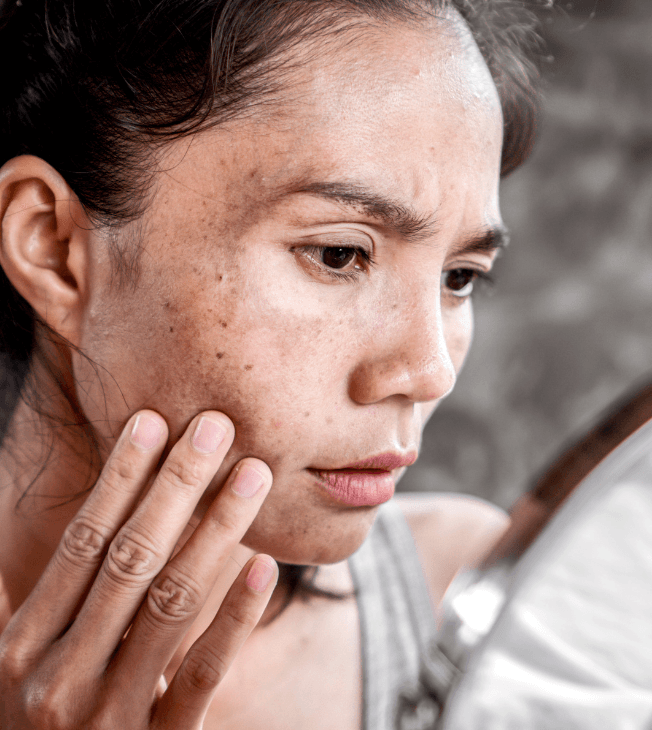
Sometimes the product hasn't changed. The behavior around it has. Washing your face more often because of a breakout, exfoliating daily because skin feels rough, layering on more treatment products because symptoms aren't improving fast enough, these are all common and easy to miss.
If skin is getting more irritated, it's worth checking not just what's in the routine, but how often and how much of it is actually being used.
7. Food isn't always the culprit

This is one of the trickiest areas in skin health. When skin changes, it's natural to wonder if something eaten caused it. For some people, certain foods genuinely are relevant. But that doesn't mean everyone with eczema, acne, rosacea, or psoriasis needs the same elimination diet, and extreme restriction tends to create its own problems.
Rather than jumping to "this food caused my flare," look for a pattern that repeats. What was eaten, what else was happening that day, how was sleep, was there added stress, did the weather shift, did skincare change. One event rarely tells the whole story on its own.
8. Sometimes there just isn't an obvious trigger

This might be the hardest part to accept. You can do everything "right" and still have a bad skin day. That's not a failure.
Skin conditions fluctuate, and symptoms change for reasons that aren't always identifiable. Chasing one perfect explanation for every flare can turn into anxiety and constant over-monitoring. The goal isn't to control every variable. It's to notice the patterns that are actually identifiable and build habits that support skin consistently.
Become A Skin Detective, Not A Skin Detective In Panic Mode
If skin keeps shifting, tracking patterns tends to be more useful than overhauling the whole routine on impulse. Worth noting over time: symptoms, weather, sleep, stress, exercise, skincare changes, hormonal shifts when relevant, major dietary changes, environmental changes, and any medications or supplements.
There's no need to track every detail of daily life. The goal is simply spotting what keeps showing up before symptoms change. A pattern that repeats is far more meaningful than a single coincidence.
What To Do When Skin Suddenly Flares
Before overhauling everything, pause. Go back to products skin already tolerates well rather than piling on new treatments, since trying several new things at once makes it nearly impossible to know what's actually helping or hurting. Think beyond the bathroom cabinet to weather, stress, sleep, sweat, and recent lifestyle changes. Give any changes time to show results rather than switching things constantly. And know when it's time for professional evaluation: persistent, painful, rapidly worsening, infected-looking, or otherwise unexplained symptoms deserve more than guesswork.
Skin Is Part Of A Bigger System
This is one of the most important ideas in understanding reactive or inflammatory skin. Skin isn't separate from the rest of the body, but that doesn't mean every skin problem traces back to something internal either. Skin health comes from a combination of factors, and that combination looks different for everyone. That's exactly why there's no universal inflammatory-skin checklist, no single perfect diet, no one flawless routine, and no single trigger that explains everyone's experience.

When skin suddenly changes, the first instinct is usually to blame skincare. Sometimes that's exactly the right place to look. But sometimes the bigger clue is outside the bathroom entirely: weather, stress, sleep, sweat, environment, or a shift in daily life. None of these automatically causes a flare, but they're all worth considering when trying to understand your own patterns.
Don't chase every possible trigger. Pay attention to what repeats, keep the routine sensible, and remember that skin doesn't need to be perfectly predictable to be healthy.
Key takeaways
Skincare is only one factor influencing how skin behaves
Weather, heat, humidity, sweat, stress, sleep, and environmental shifts can affect symptoms differently for everyone
A single flare rarely points to one specific trigger
Tracking patterns over time is usually more useful than eliminating foods or products on a hunch
Avoid constantly changing your routine while skin is already irritated
Persistent or concerning changes deserve evaluation by a qualified healthcare professional
This article is for educational purposes only and isn't a substitute for individualized medical advice, diagnosis, or treatment.

Calm your skin, reclaim your comfort, and embrace a healthier, more balanced life.



Get in touch
Feel free to get in touch with us via email: support@theantiinflammatorymindset.com
TAIM | Privacy Policy | Terms and Conditions