
Why Weather Changes Can Trigger Eczema Flare-Ups
If you live with Eczema, you may have noticed that your skin tends to react when the weather changes.
Some people flare during colder months, while others struggle more during hot and humid seasons. For many, even sudden temperature shifts can leave the skin feeling drier, itchier, or more irritated than usual.
That is because weather can directly affect the skin barrier — and for eczema-prone skin, even small environmental changes can sometimes trigger inflammation and flare-ups.
Why Does Weather Affect Eczema?
Eczema-prone skin already has a weaker skin barrier, which means it loses moisture more easily and becomes more sensitive to irritants and environmental stress.
When weather conditions change, the skin often has to work harder to maintain moisture and protect itself.
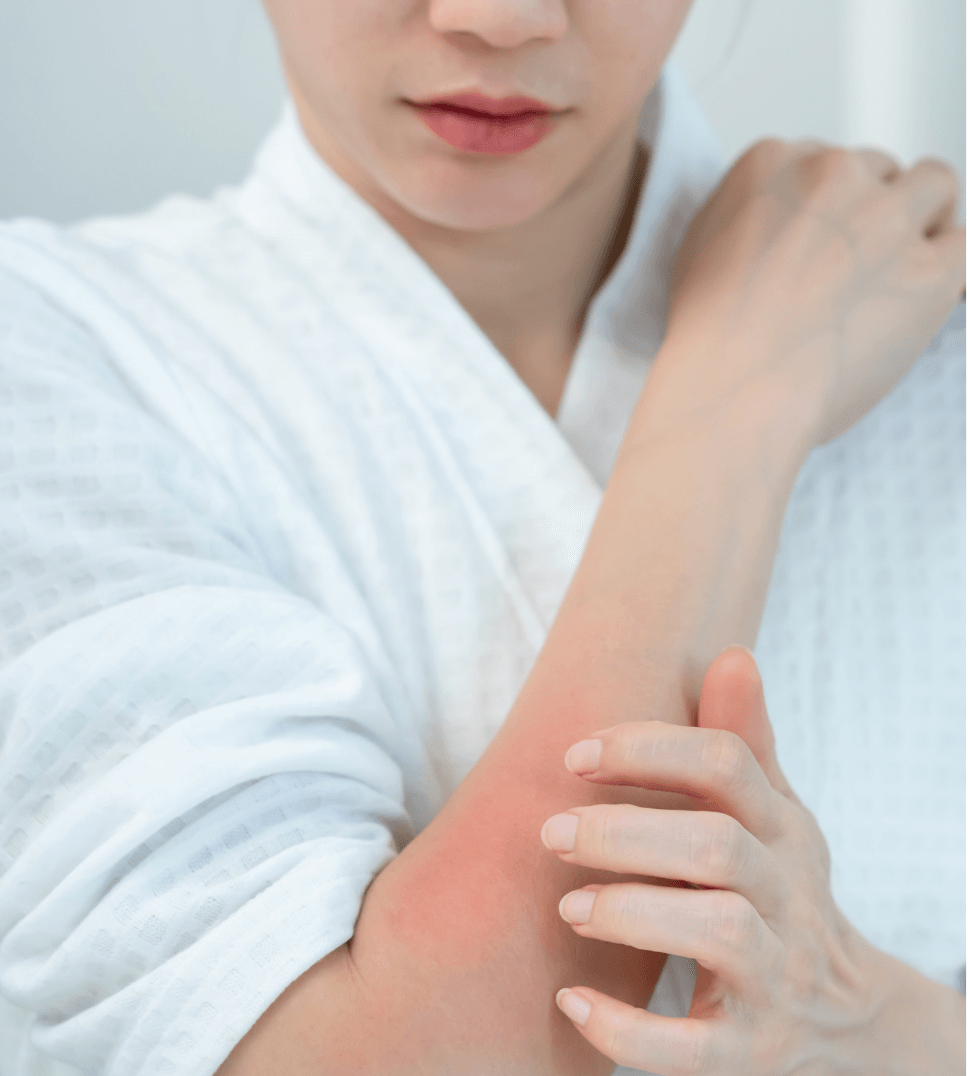
For some people, this leads to:
Increased dryness
Itching
Redness and irritation
Cracked or sensitive skin
More frequent flare-ups
And because everyone’s eczema is different, weather triggers can vary from person to person.
Cold Weather and Dry Air
Many people notice worse eczema symptoms during colder months.
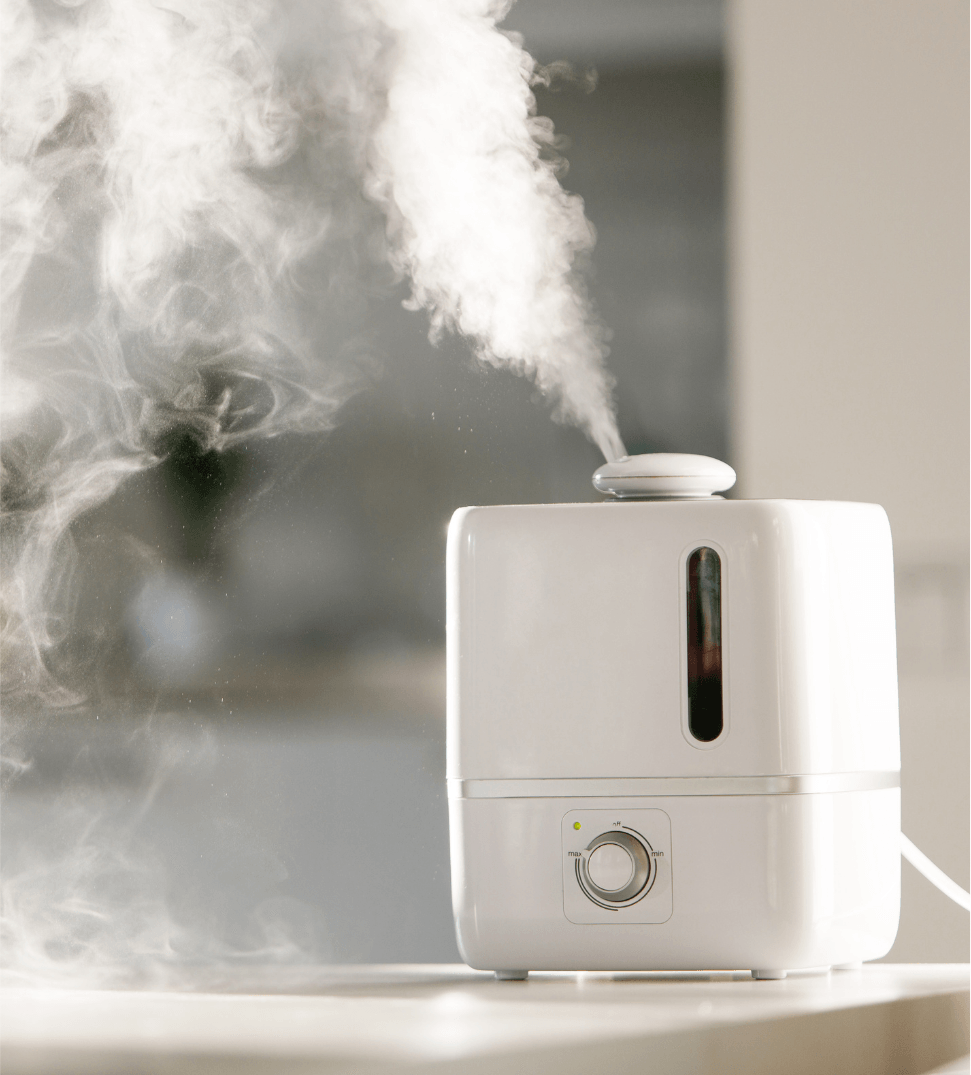
Cold air usually contains less humidity, which can dry out the skin faster. Indoor heating can make things even worse by removing moisture from the air.
This combination may leave the skin feeling:
Tight
Flaky
Itchy
More inflamed than usual
Hands, lips, and areas already prone to eczema often become especially sensitive during colder weather.

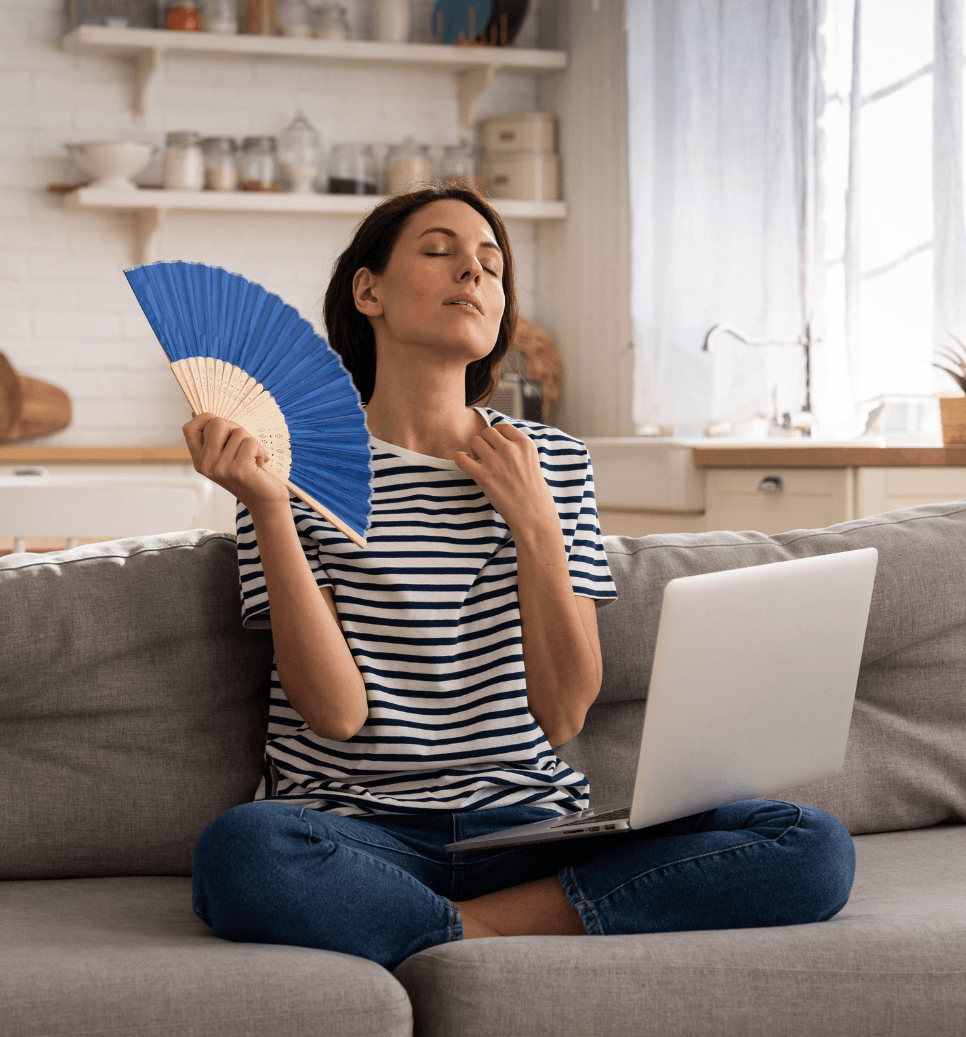
Hot Weather and Sweat
For others, heat and humidity can be just as triggering.
Sweat contains salt, which may irritate sensitive skin and worsen itching for some people. Excess heat can also increase inflammation and make scratching harder to resist.
During warmer months, people with eczema may experience:
Sweat-triggered itching
Increased irritation in skin folds
Heat rashes alongside eczema flare-ups
More discomfort at night
Even activities like exercise or staying outdoors too long in the heat may trigger flare-ups for some individuals.
Sudden Weather Changes Can Also Affect the Skin
Sometimes it is not just the season itself — it is the sudden shift in temperature.
Moving frequently between:
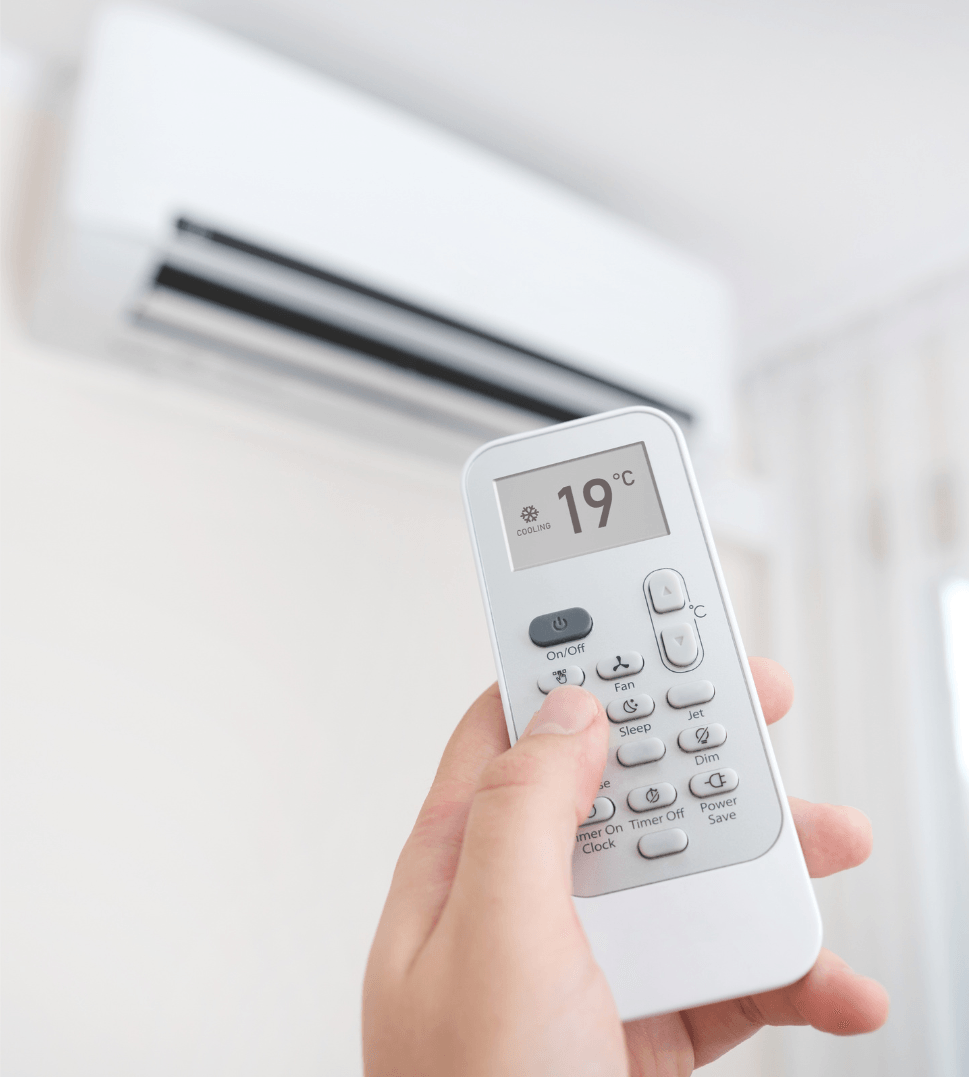
Hot outdoor weather and cold air conditioning
Cold outdoor air and heated indoor spaces
Dry and humid environments
can stress the skin barrier and increase sensitivity.
This is why some people experience flare-ups during seasonal transitions even if they normally tolerate both hot and cold weather fairly well.

Wind, Sun, and Environmental Irritants
Many people search for the perfect climate for eczema, but there is no single environment that works for everyone.
Some people improve in humid climates, while others flare more because of heat and sweating. Others feel better in cooler weather but struggle with winter dryness.
Eczema is highly individual, which is why understanding your personal triggers matters more than following generalized advice online.
Supporting Your Skin During Weather Changes
While weather cannot always be controlled, some habits may help support eczema-prone skin during seasonal changes:
Moisturize consistently
Use gentle, fragrance-free products
Avoid overly hot showers
Wear soft, breathable fabrics
Protect skin from harsh winds or dry air
Stay aware of personal weather-related triggers
Adjusting routines based on the season may also help reduce irritation over time.
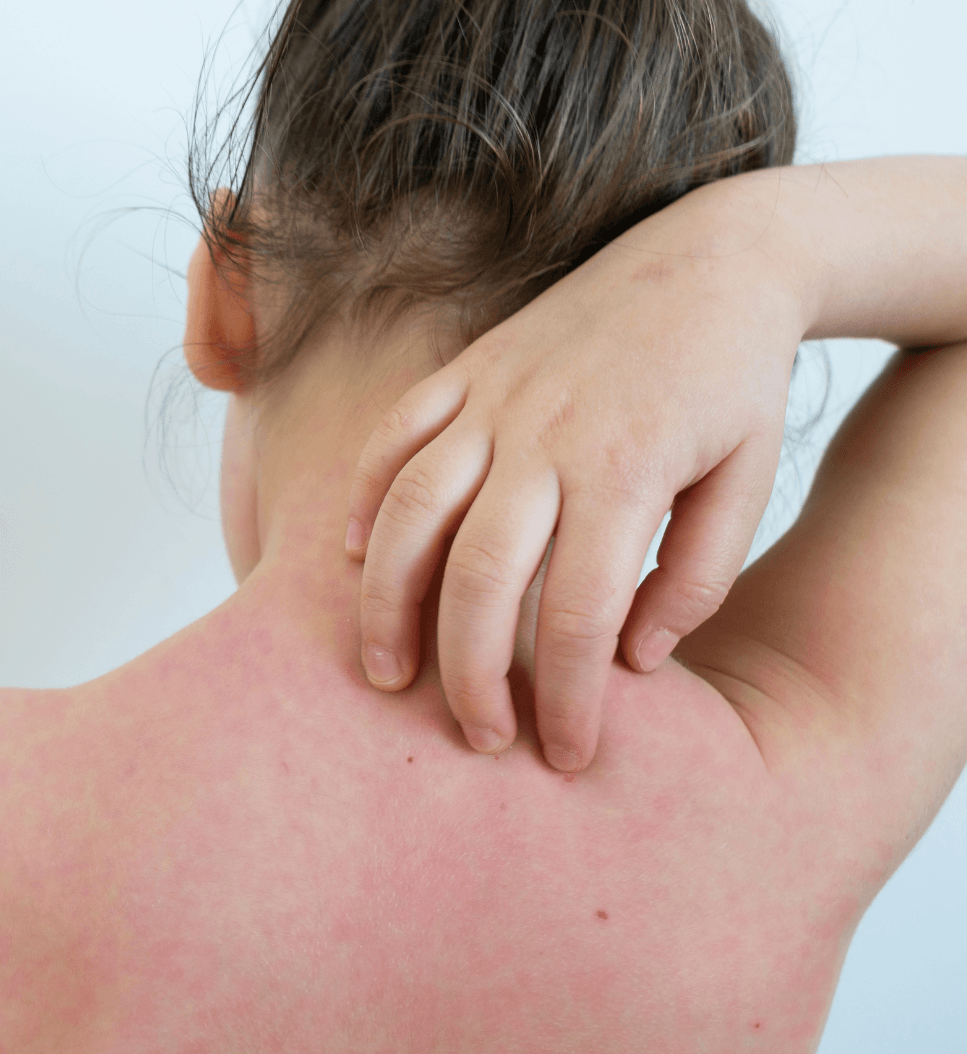
Weather changes can affect eczema because environmental conditions directly impact the skin barrier and inflammation levels.
But eczema triggers are rarely identical for everyone. Some people struggle more with cold weather, others with heat, sweat, or humidity — and some react most during seasonal transitions.
Understanding how your skin responds to different environments can help you better support it through changing seasons.
Because sometimes, managing eczema is not just about the products you use — but also about learning how your skin reacts to the world around it.
Calm your skin, reclaim your comfort, and embrace a healthier, more balanced life.



Get in touch
Feel free to get in touch with us via email: support@theantiinflammatorymindset.com
TAIM | Privacy Policy | Terms and Conditions