Why Removing More Foods Isn’t Always Helping Your Skin
If you’re dealing with eczema or ongoing skin flare-ups, food is usually one of the first things people start looking into.
And honestly, it makes sense.
You hear about gut health. You come across anti-inflammatory diets. You see low histamine food lists. You start adjusting your meals, trying to figure out what might be triggering your skin.
At first, it feels productive. Like you’re finally taking control.
But then something confusing happens.
You remove more and more foods… and your skin still doesn’t improve the way you expected.
So what’s actually going on?
Gut health and diet do matter, but they’re not the full story
There is real science behind the gut-skin connection
Your gut is involved in digestion, nutrient absorption, immune regulation, and inflammation. All of these can influence skin conditions like eczema for some people.
This is why approaches like:
Anti-inflammatory diets
Low histamine diets
Elimination diets (when structured properly)
can be genuinely helpful tools.
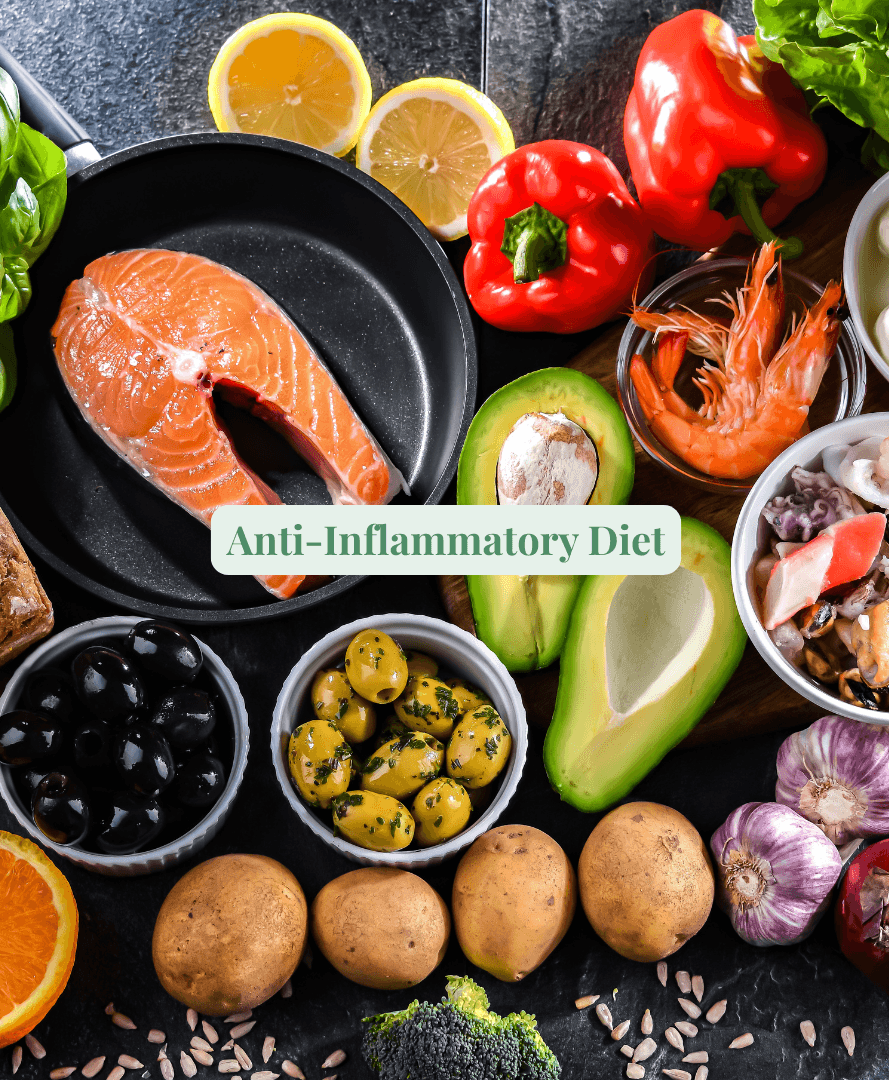
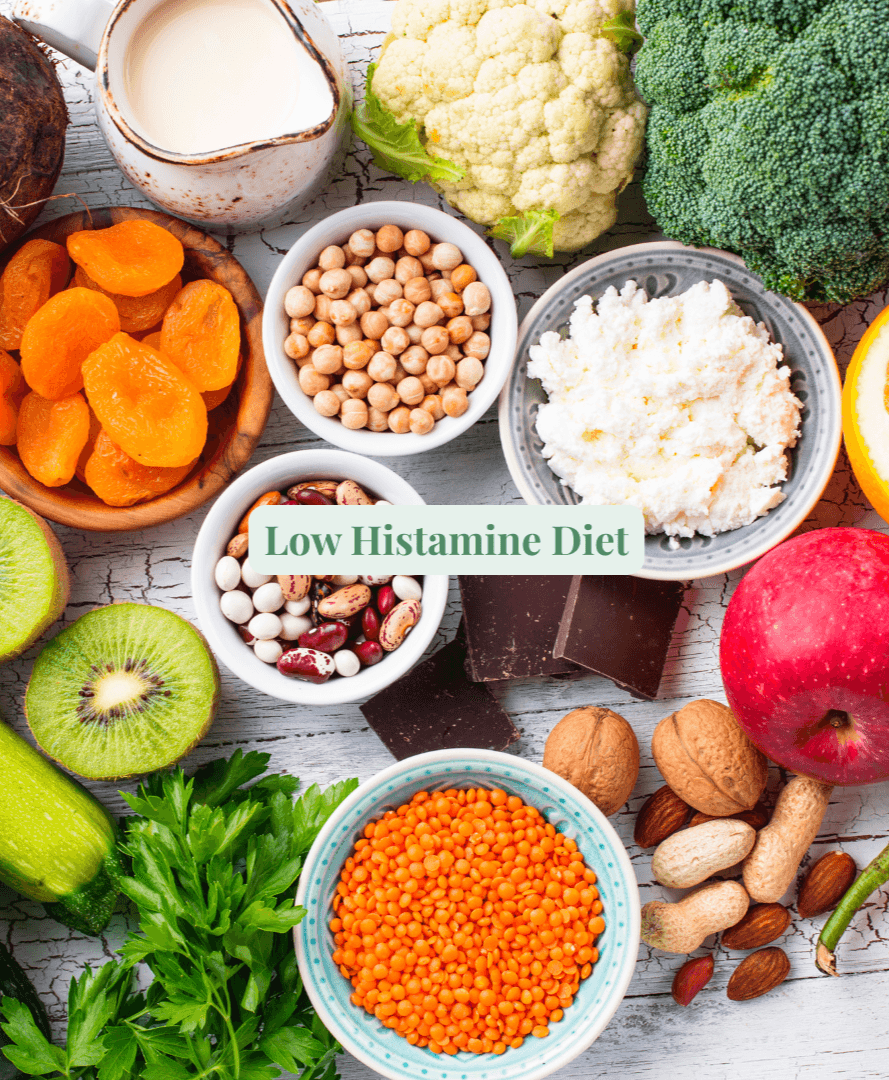
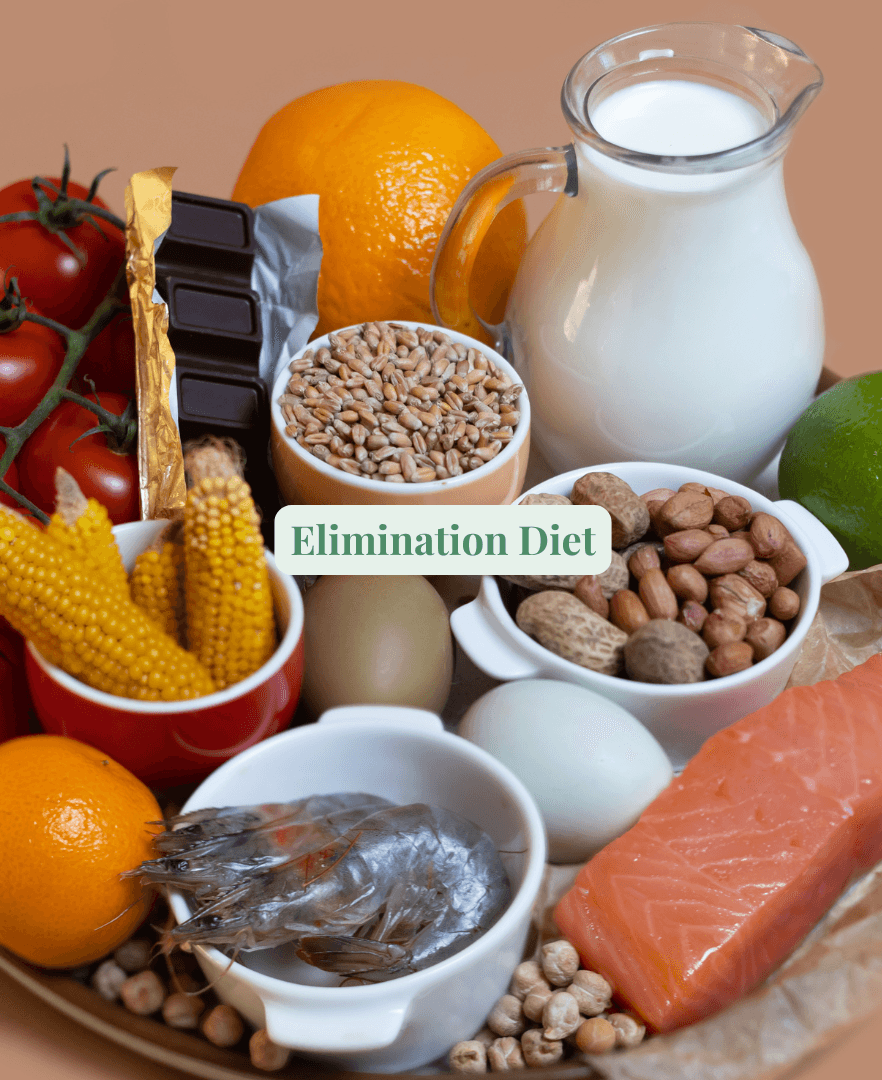
For many people, they can help:
Reduce overall inflammation load
Identify potential food sensitivities
Support digestion and gut balance
Bring awareness to how the body responds to food
So the issue is not the approach itself.
It is how it gets applied.
Where things can start to become unhelpful
The challenge usually starts when diet changes shift from supportive to restrictive without direction.
This can look like:
Removing multiple food groups all at once
Following long “safe food” lists without personalization
Constantly cutting more foods whenever symptoms appear
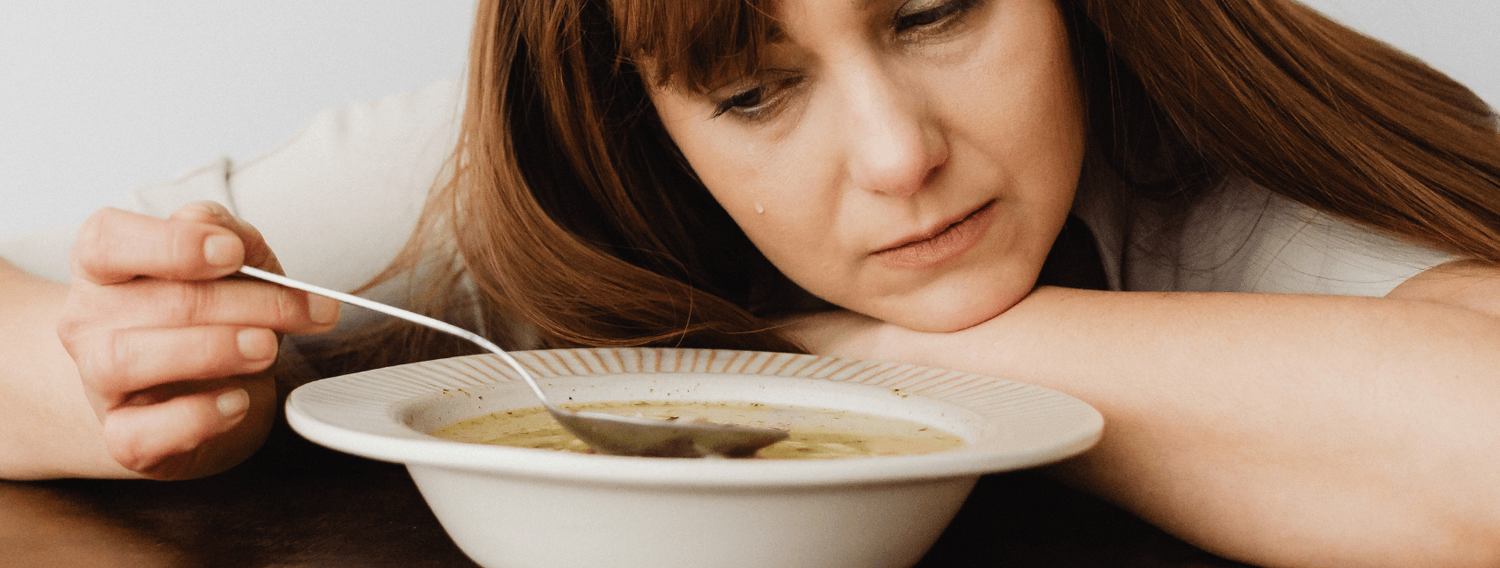
Feeling unsure or fearful around eating
At that point, it stops being a structured approach and becomes guesswork driven by fear of flare-ups.
What can happen when food restriction goes too far
When elimination is done without balance or clarity, a few things may happen:
1. Nutrient imbalance
Cutting too many foods or food groups can make it harder to get enough protein, healthy fats, fiber, and key nutrients that support skin repair and overall health.
2. Increased stress around food
When eating becomes overly cautious or stressful, it can add emotional pressure to daily life. Stress is one of many factors that can influence inflammation and flare-ups.
3. Confusing results
If too many changes are made at once, it becomes difficult to understand what is actually helping or affecting your skin.
4. Losing the bigger picture
Food becomes the only focus, while other important factors like sleep, stress, environment, and skincare may get overlooked.
A more balanced way to approach food and skin health
Instead of removing more and more foods, a more helpful approach is usually more structured and intentional.
1. Start with observation before restriction
Before changing your diet, try to notice patterns.
Ask yourself:
Do I consistently flare after certain types of meals?
Are there clear, repeatable triggers?
Or does my skin fluctuate even when my diet is stable?
This helps avoid unnecessary elimination.
2. Use dietary approaches as tools, not permanent rules
Anti-inflammatory and low histamine diets can both be helpful when used with purpose.
For example:
As a short-term reset
As a way to identify triggers
As part of a broader lifestyle approach
They are not meant to feel permanent or overly restrictive for most people.
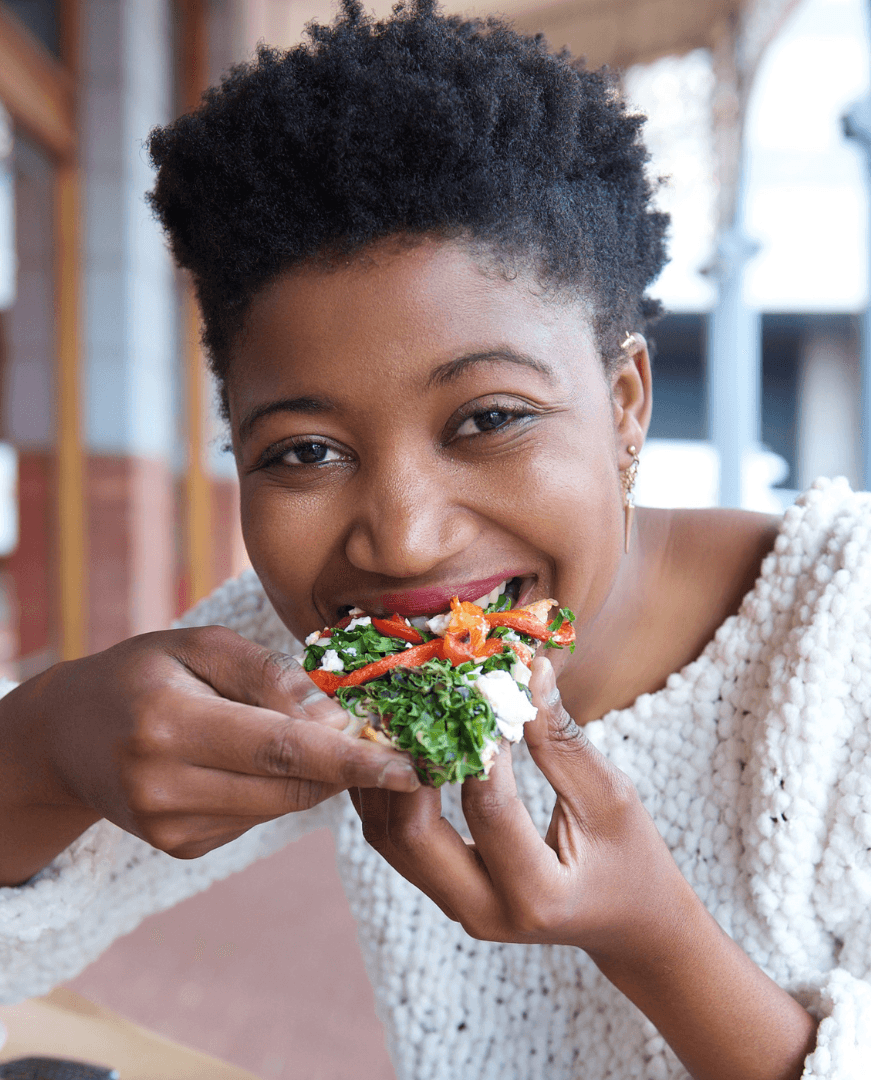
3. Focus on what you can include, not only what you remove
Instead of only thinking about cutting foods out, also think about:
Nutrient-dense meals that support skin repair
Foods your body tolerates well
Balanced meals that keep energy and digestion stable
Support matters as much as restriction.
4. Reintroduce foods with awareness
If you do eliminate foods, reintroduction is where clarity happens.
Bringing foods back slowly and intentionally helps you understand your body’s actual responses, instead of guessing.
5. Look at the bigger system
Food is one piece of the puzzle, but not the only one.
Skin health is also influenced by:
Stress levels
Sleep quality
Gut function
Environment
Skincare routine
When these are looked at together, patterns become much clearer.
Anti-inflammatory and low histamine diets can be powerful tools when used with structure and awareness.
The issue is not the approach itself.
It is when food becomes the only focus, or when restriction replaces understanding.
Because real progress usually does not come from removing more and more foods.
It comes from learning how your body responds, supporting it consistently, and making changes with clarity instead of fear.
Healing is not about eating less.
It is about eating in a way that helps your body feel supported, balanced, and understood over time.
Calm your skin, reclaim your comfort, and embrace a healthier, more balanced life.



Get in touch
Feel free to get in touch with us via email: support@theantiinflammatorymindset.com
TAIM | Privacy Policy | Terms and Conditions