
What Really Causes Eczema? Understanding the Root Problem
If you have eczema (also known as atopic dermatitis), you’ve probably wondered:
Why does my skin flare up?
Why does it feel so itchy and dry all the time?
Is it just allergies or something deeper?
The truth is, eczema is not just a skin problem. It’s an immune system issue combined with a weak skin barrier, and many factors—from genetics to diet—play a role. Let’s break it down step by step.
1. Your Skin Barrier Is Broken
Think of your skin as a brick wall:
Bricks = skin cells
Cement = lipids like ceramides
In eczema, the “cement” is weak. Here’s why:
Filaggrin mutation: Many people with eczema have a gene mutation in filaggrin, a protein that keeps skin strong and hydrated.
Low ceramides and moisture: Eczema-prone skin has fewer natural oils and moisturizing factors, leading to dryness and cracks.
These cracks allow:
Allergens
Irritants
Bacteria
to get inside and cause inflammation.
2. Your Immune System Overreacts
When your skin barrier is weak, your immune system goes into overdrive.
Acute flare-ups = Th2 immune response dominates
Key players: IL-4, IL-13, IL-5 (inflammatory messengers)
They reduce filaggrin even more → weaker barrier
Increase IgE (allergy antibodies) → more sensitivity
Recruit eosinophils → more inflammation
Chronic eczema = more immune cells join the fight
Th1 and Th17 cells release cytokines like IFN-γ and IL-17
Skin becomes thicker and rougher (lichenification)
to get inside and cause inflammation.
3. Bacteria Make Things Worse
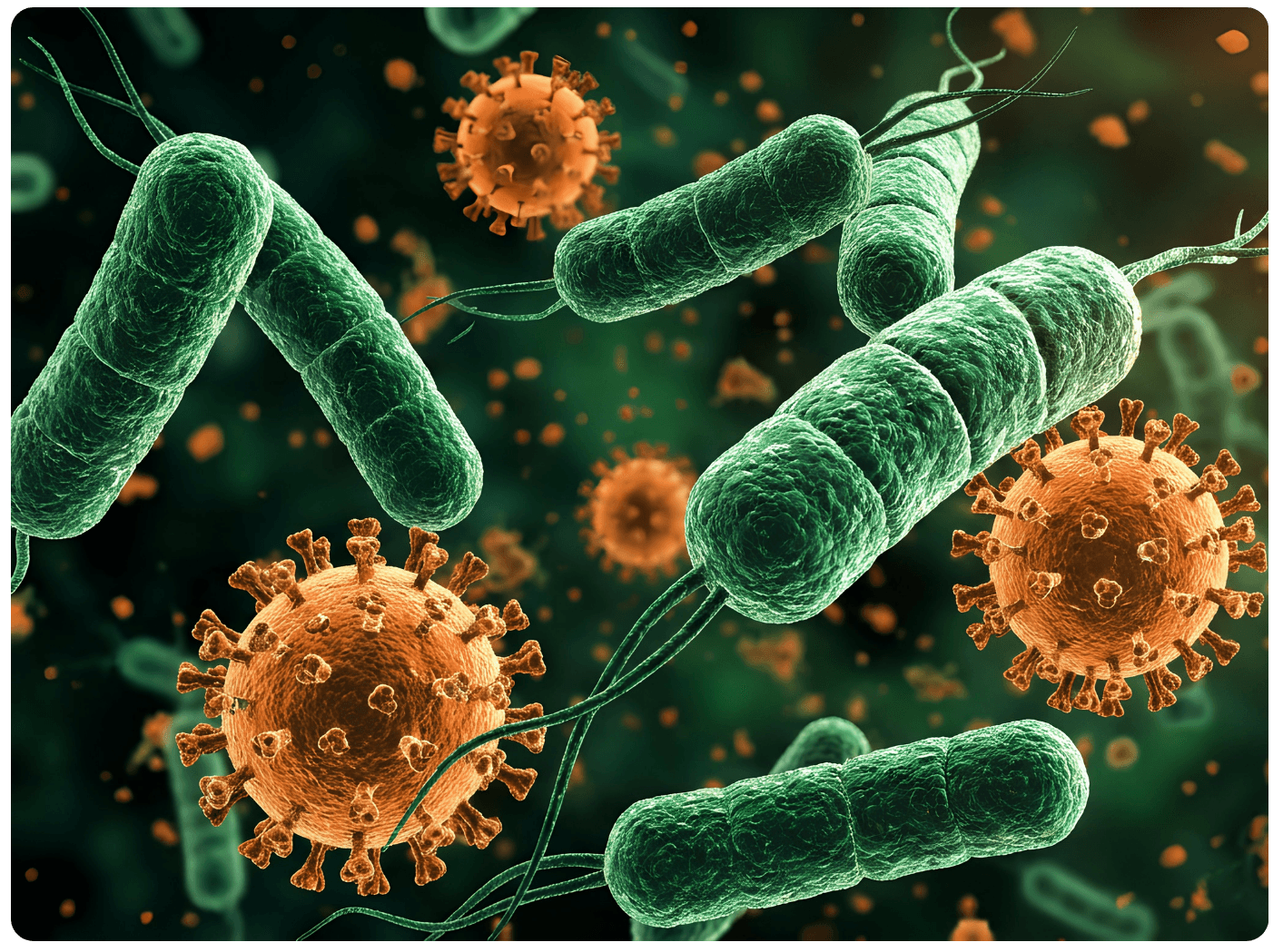
Did you know 90% of eczema patches contain Staphylococcus aureus bacteria?
This bacteria releases toxins called superantigens → they make your immune system even more inflamed.
Normally, friendly bacteria like Staphylococcus epidermidis help balance things out, but in eczema, you lose this protection.
4. The Itch-Scratch Cycle Is Real
Ever feel like you just can’t stop scratching? That’s because of IL-31, an itch-causing molecule that activates nerve cells.
Scratching causes more skin damage → more inflammation → more itch.
It becomes a vicious cycle.
5. How Does Diet Affect Eczema?
Food isn’t the main cause of eczema, but it can make inflammation worse.
Too much sugar: Spikes insulin and increases inflammatory chemicals like IL-6 and TNF-α.
Processed foods: Contain additives and unhealthy fats that cause inflammation and disrupt gut bacteria.
Gut-skin connection: An unhealthy gut microbiome can trigger immune reactions that show up on your skin.
6. Environmental Triggers Make It Worse
Common triggers include:
Allergens: Dust mites, pollen, pet dander, mold
Harsh products: Fragrances, sulfates, parabens in soaps and skincare
Weather changes: Dry air, cold, heat
What you can do:
Use fragrance-free, hypoallergenic skincare
Keep your home clean and dust-free
Wear protective clothing in harsh weather
Key Takeaways
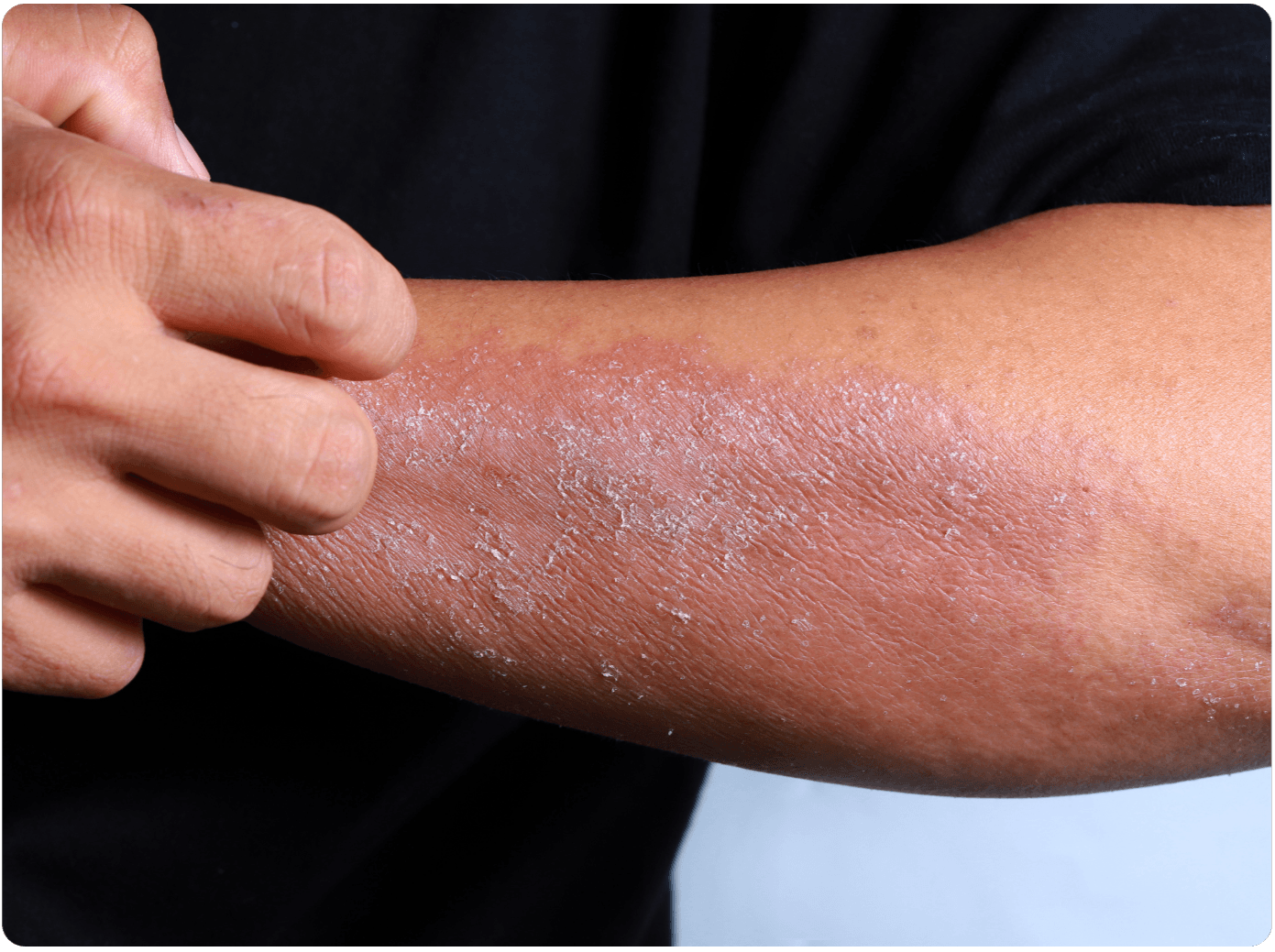
Eczema is not just dry skin; it’s an immune and skin barrier problem.
Genes, immune imbalance, bacteria, diet, and environment all play a role.
Lifestyle changes (clean diet, allergen control, proper skincare) help prevent flare-ups.
Need Help Calming Your Eczema?
Download our Soothe Skin Secret eBook → Get Your Copy Here!

Calm your skin, reclaim your comfort, and embrace a healthier, more balanced life.



Get in touch
Feel free to get in touch with us via email: support@theantiinflammatorymindset.com
TAIM | Privacy Policy | Terms and Conditions