Mold and Eczema: Could Your Environment Be Affecting Your Skin?
Eczema is often described as a skin condition — but your skin doesn't exist in isolation. It's constantly interacting with everything around you: the air you breathe, the humidity in your home, the products you use, and the spaces where you spend your time.
For some people with eczema-prone skin, environmental factors can contribute to irritation or make flare-ups harder to manage. One factor that's often overlooked? Mold.
What Does Mold Have to Do With Eczema?
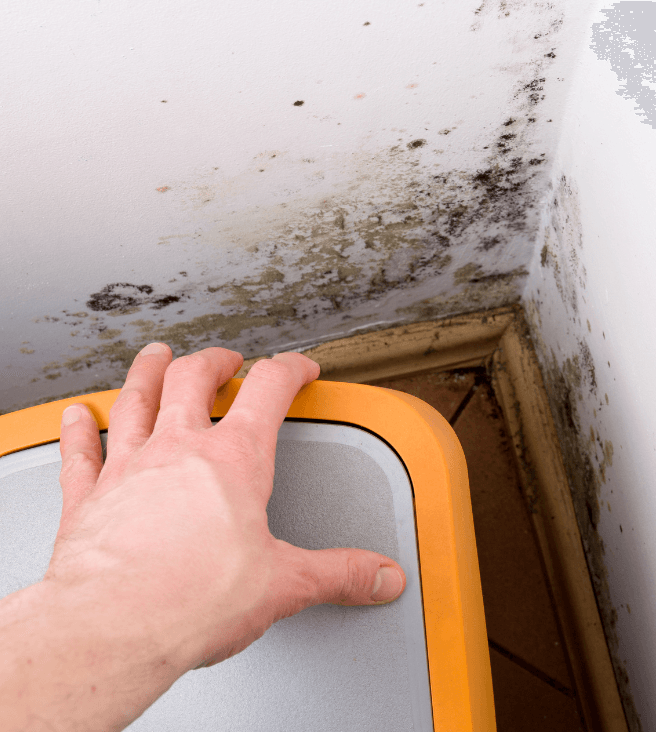
Mold is a fungus that thrives in damp environments — bathrooms, areas around windows, spaces with leaks, basements, or anywhere with poor ventilation. As it grows, mold can release tiny particles into the air. Some people are sensitive to these particles (or other indoor irritants), which can contribute to immune responses in the body.
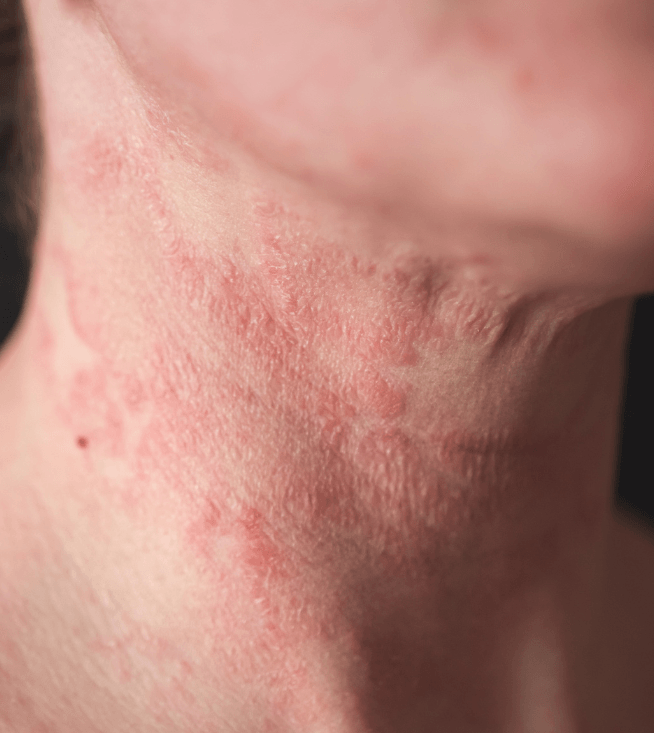
Since eczema involves skin barrier dysfunction, inflammation, and immune system activity, environmental exposures like mold may be one piece of the puzzle for some individuals.
That said, eczema is complex. Mold isn't a trigger for everyone, and a flare-up is rarely caused by a single factor alone.

Could Your Environment Be Affecting Your Flare-Ups?
One of the biggest challenges with eczema is that triggers aren't always obvious. Your skin might react to something you interact with every day without you realizing it.
A few questions worth sitting with:
Does your skin feel different in certain rooms or buildings?
Do symptoms seem to shift with the seasons?
Do flare-ups tend to worsen during periods of high humidity?
These patterns don't automatically point to mold — but they're useful clues. Tracking them over time can help you understand your skin's unique responses.
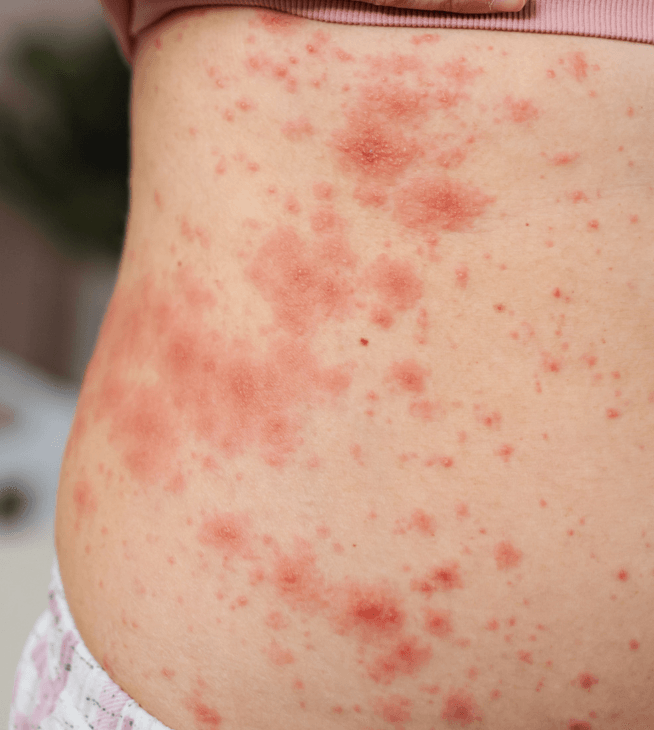
The Role of Humidity in Eczema
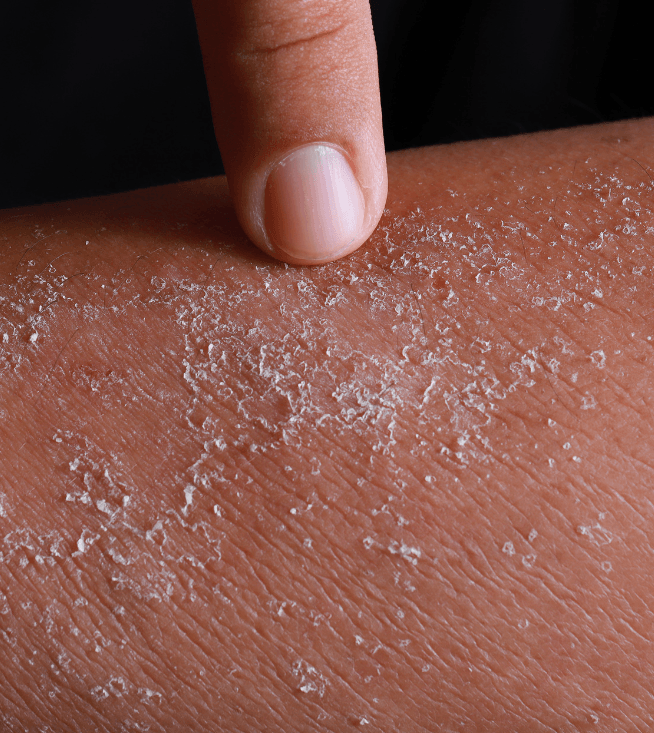
Humidity is tricky for eczema-prone skin because both extremes can cause problems. When the air is too dry, moisture escapes the skin more easily, leaving the barrier feeling compromised. When there's too much moisture, sweating increases — and so does the risk of mold and other irritants taking hold.
A balanced, comfortable environment helps support your skin's natural ability to hold onto moisture and stay protected.
Creating a More Skin-Supportive Home
You don't need to overhaul your life or worry over every possible trigger. Start by paying attention to the areas where moisture tends to build up:
Bathrooms
Kitchens
Laundry areas
Around windows
Spaces with previous water damage
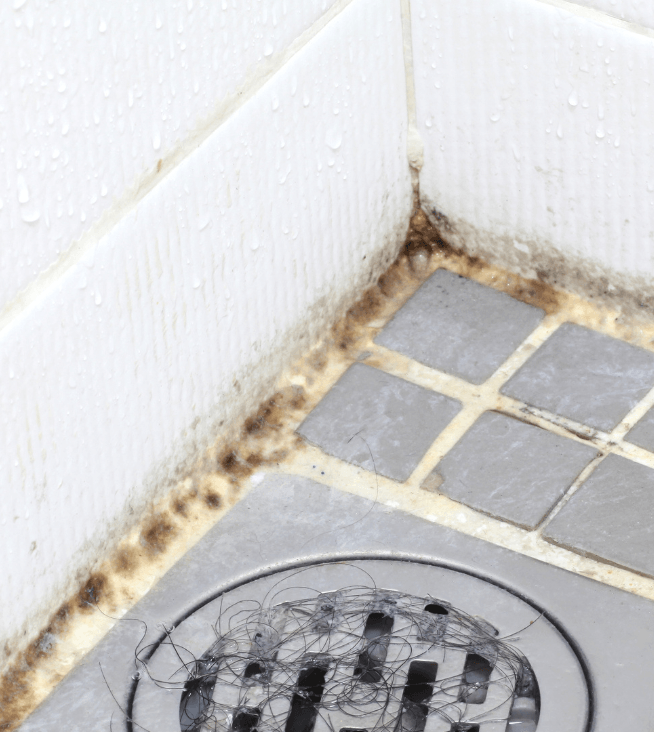
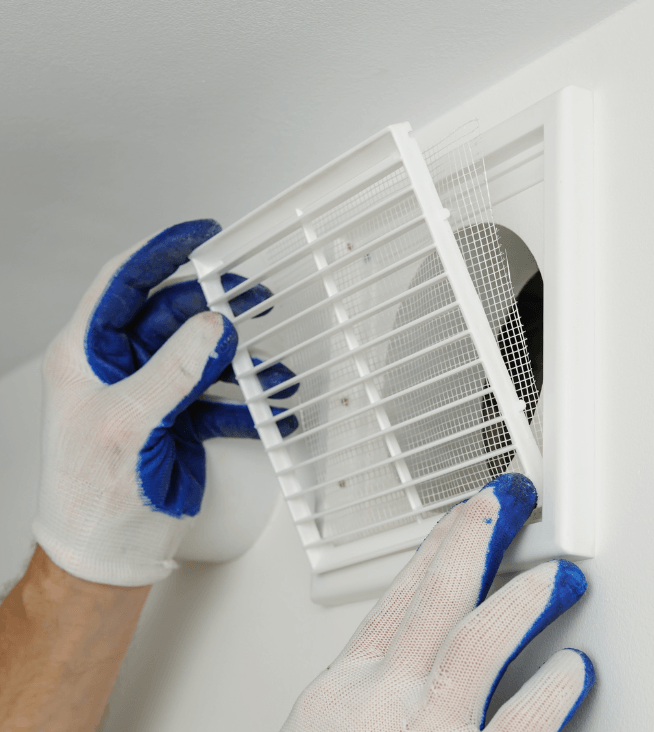
A few simple habits can go a long way:
Run ventilation while showering
Dry damp areas thoroughly
Address leaks as soon as they appear
Improve airflow where you can
Small environmental changes like these can become a meaningful part of your broader eczema support routine.
Remember: Mold Is Only One Piece of the Puzzle
It's tempting to search for a single cause behind a flare-up, but eczema is shaped by many factors working together — your skin barrier, immune response, stress, sleep, nutrition, skincare routine, and yes, your environment.
Rather than focusing only on eliminating triggers, it helps to also focus on building support: routines that help your skin feel protected and your body feel balanced.

Learning Your Skin’s Patterns
Managing eczema is, in many ways, about becoming more aware of your body. Your skin is constantly responding to the world around it — and paying attention to those patterns can help you identify what supports it and what makes things harder.
You don't need every answer right away. The goal isn't perfection. The goal is understanding.
Calm your skin, reclaim your comfort, and embrace a healthier, more balanced life.



Get in touch
Feel free to get in touch with us via email: support@theantiinflammatorymindset.com
TAIM | Privacy Policy | Terms and Conditions