
Fragrances and Eczema: How Scented Products Affect Sensitive Skin
If you have eczema, you’ve probably noticed that some scented products can trigger flare-ups. Fragrances are one of the most common culprits behind skin irritation, redness, and itching. Understanding how fragrances affect your skin and how to choose safe alternatives can make a big difference in managing eczema and keeping your skin calm and healthy.
Why Fragrances Can Trigger Eczema
Fragrances in skincare, body care, and household products often contain a mix of synthetic chemicals designed to smell pleasant. While they can make products smell nice, they can also:
Irritate sensitive skin: Eczema-prone skin has a weaker barrier, making it more susceptible to irritation from fragrance chemicals.
Cause allergic reactions: Some fragrance components can trigger contact dermatitis or worsen existing eczema.
Increase inflammation: Even mild irritants can provoke redness, itching, and flare-ups in sensitive skin.
How Harmful Are Fragrances?
Fragrances can do more than just cause immediate irritation—they can have long-term negative effects on your skin and overall health, especially for people with sensitive skin:
Barrier disruption: Repeated exposure to fragrance chemicals can weaken the skin barrier over time, making it more vulnerable to allergens, microbes, and irritants.
Sensitization: Constant use of fragranced products can lead to chronic allergic reactions, where your skin becomes increasingly reactive.
Chemical exposure: Many synthetic fragrances contain phthalates, aldehydes, and preservatives, which may contribute to skin inflammation and other health concerns when absorbed over time.
Hidden irritants: Even products labeled as “natural” or containing essential oils can trigger eczema flare-ups in sensitive individuals.
In short, fragrances can be both an immediate trigger and a long-term stressor for eczema-prone skin. Minimizing exposure is key to keeping flare-ups under control and protecting skin health.
Common Sources of Fragrances
Fragrances aren’t just in perfumes. They can hide in:
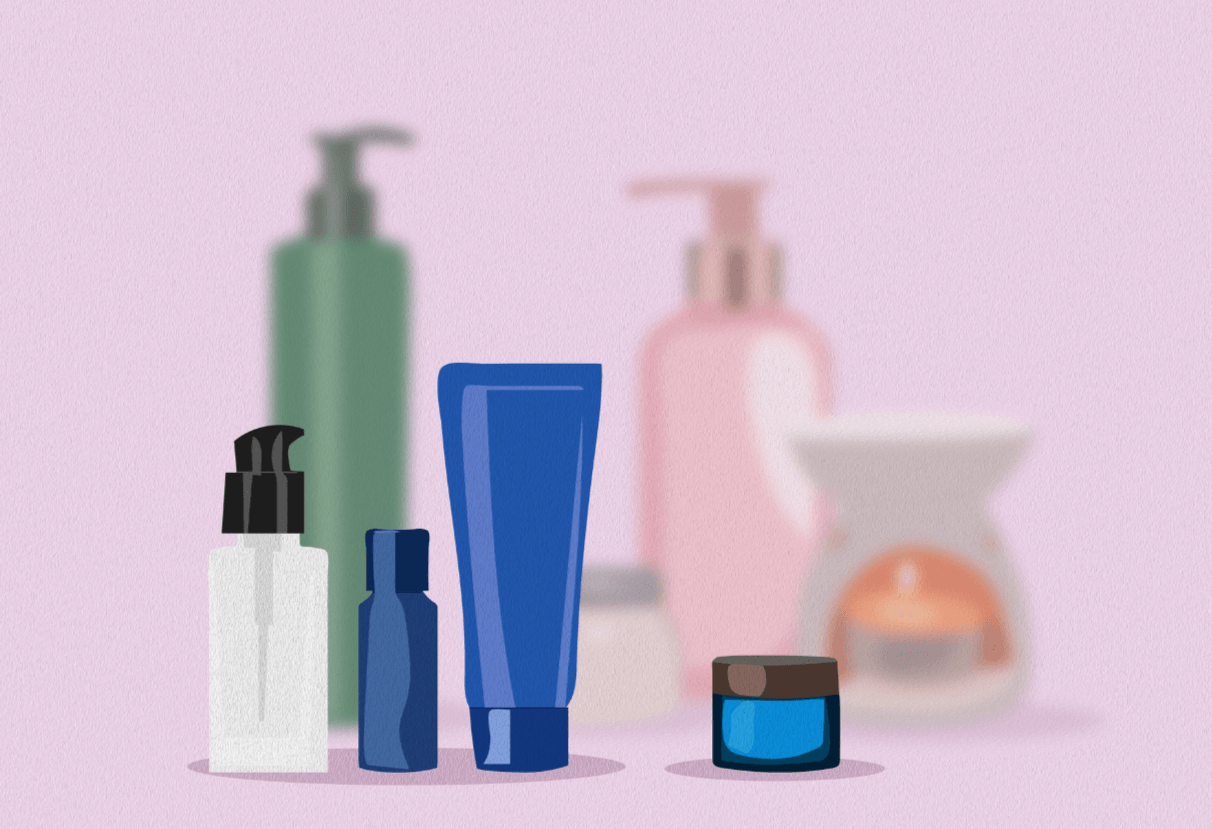
Skincare and body care products (lotions, soaps, creams, shampoos)
Hair care and styling products
Cleaning products and laundry detergents
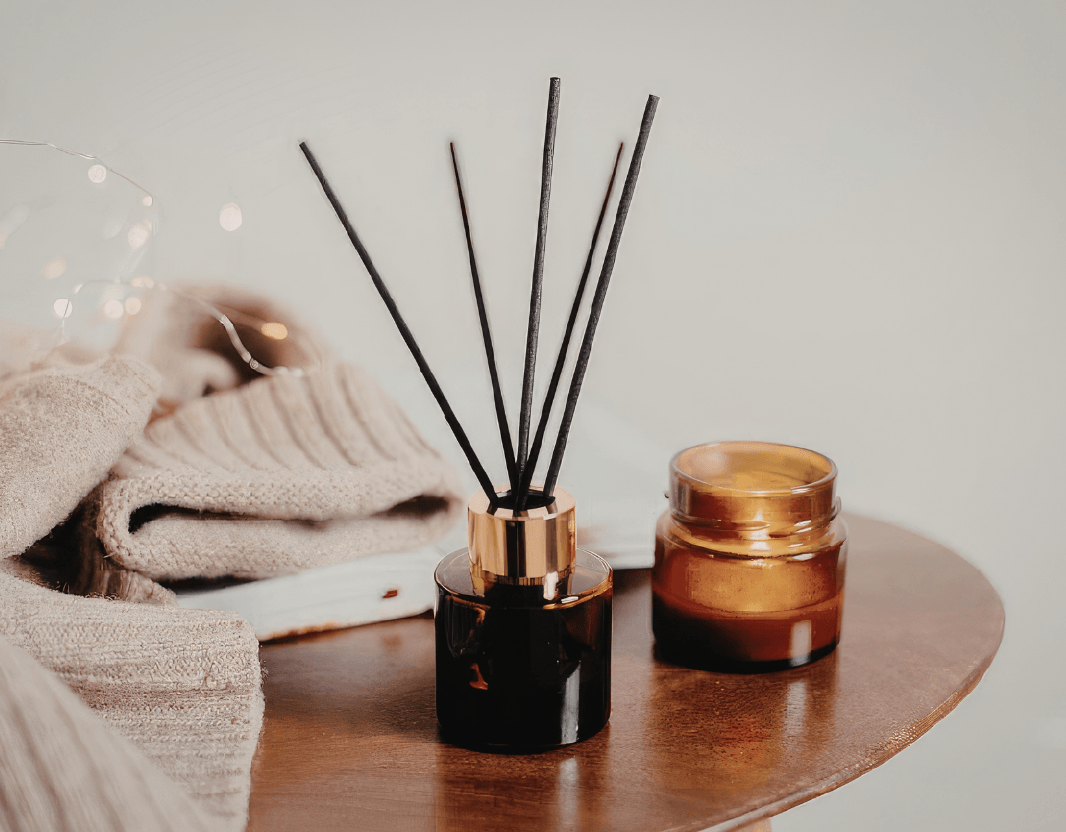
Candles, air fresheners, and essential oils
Even natural fragrances, like essential oils, can irritate sensitive skin for some people.
How to Choose Eczema-Friendly Products
Look for truly fragrance-free products: Check ingredient lists for “parfum,” “fragrance,” or essential oils that may cause irritation.
Choose hypoallergenic options: While not foolproof, hypoallergenic products are formulated to reduce irritation risk.
Patch-test new products: Apply a small amount to a discreet area and monitor for 24–48 hours.
Opt for simple formulations: Fewer ingredients often mean lower irritation risk.
Consider fragrance-free household products: Laundry detergents, cleaning sprays, and air fresheners can all contribute to skin irritation.
Tips to Protect Your Skin
Moisturize consistently: A strong skin barrier is less likely to react to irritants.
Avoid layering scented products: Multiple fragrances increase irritation risk.
Use mild cleaning products: Reduce exposure to household chemical scents.
Be cautious with essential oils: Even natural oils can irritate sensitive skin.
Fragrances—both synthetic and natural—can be hidden triggers for eczema flare-ups and may even cause long-term skin sensitivity. Choosing fragrance-free, hypoallergenic products, patch-testing new items, and maintaining a strong skin barrier are key steps to keeping your skin calm and resilient. Minimizing exposure to fragrances, while focusing on gentle and nourishing care, can help reduce flare-ups and support long-term skin health.
When it comes to eczema, less is more—especially with fragrances. Protect your skin and give it the calm it deserves.

Calm your skin, reclaim your comfort, and embrace a healthier, more balanced life.



Get in touch
Feel free to get in touch with us via email: support@theantiinflammatorymindset.com
TAIM | Privacy Policy | Terms and Conditions