Why Probiotics Can Make Eczema Worse Before They Help
Eczema and Probiotics: A Confusing Relationship
If you’ve tried probiotics hoping to calm eczema, you may have noticed something confusing: sometimes, your symptoms get worse before they get better. It can feel discouraging, even scary.
You’re not imagining it. This reaction is real — and understanding why it happens is key to supporting your gut and skin safely.
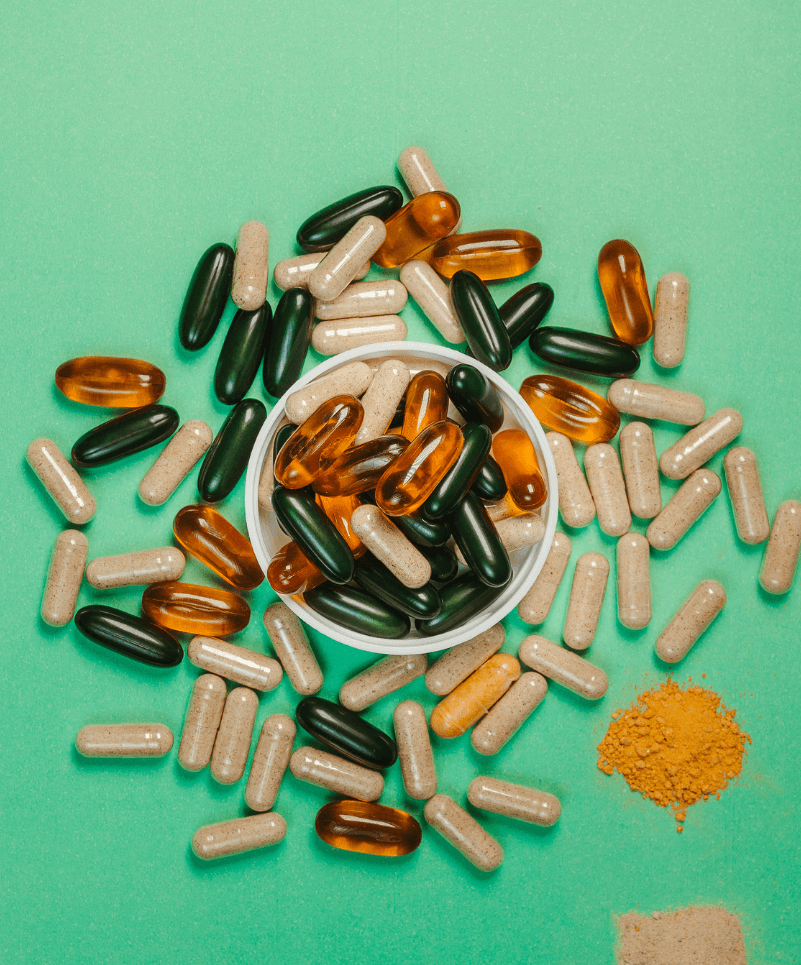
Probiotics are live microorganisms, usually bacteria, that can influence your gut microbiome. A balanced gut microbiome can help regulate inflammation, support immune function, and improve digestion — all of which are connected to skin health.
So why would something designed to help make eczema flare-ups worse?
Eczema and Probiotics: A Confusing Relationship
Probiotics work by introducing “friendly” bacteria into your gut to:
Support microbial diversity — helping beneficial bacteria outnumber harmful ones
Reduce systemic inflammation — by influencing immune signaling and gut barrier health
Aid digestion and nutrient absorption — vitamins like zinc, vitamin D, and B-complex nutrients are essential for skin health
For many people, probiotics can be helpful — but their effects are highly individual, especially for eczema.


Why Probiotics Can Trigger Flare-Ups
Histamine Production
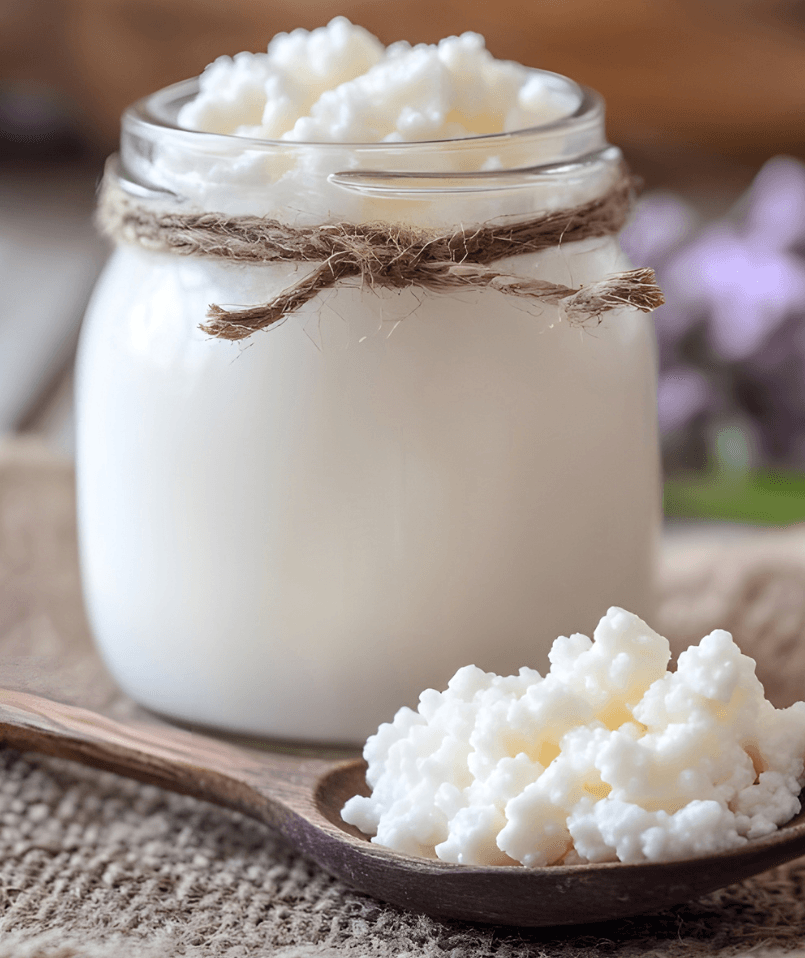
Some probiotic strains naturally produce histamine. In sensitive individuals, histamine can worsen redness, itching, or swelling. This is why fermented foods like yogurt, kefir, and kombucha — while probiotic-rich — sometimes worsen eczema.
Immune System Activation
Introducing new bacteria can temporarily stimulate the immune system. For some, this “immune awakening” triggers flare-ups before any benefits appear.
Existing Gut Imbalance (Dysbiosis)
If your gut is already inflamed or unbalanced, certain probiotics may temporarily increase dysbiosis, making symptoms more noticeable.
Individual Variability
No two microbiomes are identical. What calms one person’s eczema might irritate another’s. There’s no one-size-fits-all probiotic for eczema — the key is personalization.
Tips for Safely Using Probiotics with Eczema
Choose Strains Carefully
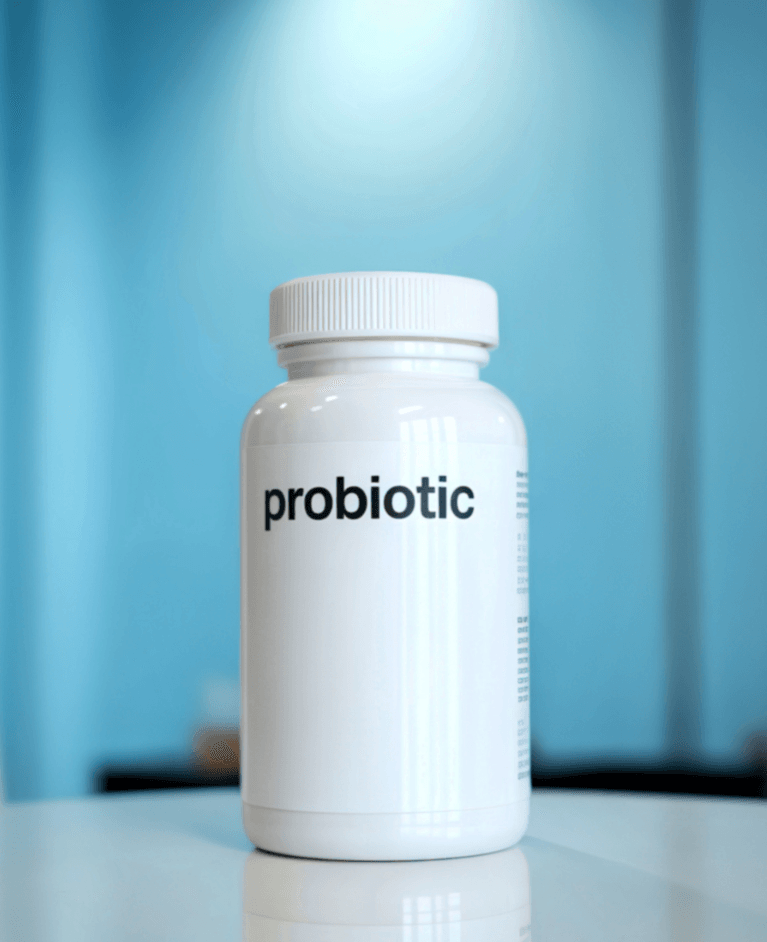
Not all probiotics are created equal. Research supports strains like Lactobacillus rhamnosus GG and Bifidobacterium longum for eczema. Avoid random supplements without guidance, especially if you’re sensitive to fermented foods.
Start Slowly
Introduce probiotics in small doses. This allows your gut and immune system to adjust gradually.
Support Your Gut First
Before adding probiotics, focus on gut-friendly habits:
Anti-inflammatory nutrition rich in fiber, vegetables, healthy fats, and lean proteins
Stress management techniques such as meditation or deep breathing
Adequate hydration and sleep
Consider Topical Support
Your skin microbiome is just as important. Prebiotic and probiotic skincare products can strengthen your skin barrier, reduce harmful bacteria, and calm inflammation locally — sometimes more gently than systemic probiotics.

Track Your Response
Listen to your body. Symptoms are not a failure — they’re signals guiding you toward what works. Keep a journal of food, supplements, and skincare reactions.
Why Probiotics Aren’t the Only Answer
It’s important to remember that probiotics are just one tool. They aren’t a “cure” for eczema. Long-term relief comes from:
Understanding your triggers (food, environment, stress, skin care)
Supporting your gut and skin microbiomes together
Reducing systemic inflammation through diet, lifestyle, and gentle self-care
Probiotics may sometimes make eczema worse before they help, but with patience, gradual introduction, and personalized choices, they can become a helpful part of your anti-inflammatory, eczema-friendly routine.
Eczema is your body communicating — not failing. Probiotics can be beneficial, but they are not universally helpful for everyone. Understanding your own gut, your triggers, and supporting your skin and gut microbiomes in tandem is far more powerful than relying on a supplement alone.
With awareness, gentle support, and time, you can use probiotics as part of a holistic strategy for healthier, calmer skin.
Scientific References
1. West CE, Jenmalm MC, Prescott SL. The gut microbiota and its role in allergic disease. Curr Opin Allergy Clin Immunol. 2015;15(5):389-395.
2. Friedman ES et al. Role of the microbiome in atopic dermatitis. Clin Dermatol. 2018;36(6):630-637.
3. Kim J et al. Gut microbiota and its association with atopic dermatitis. Allergy Asthma Immunol Res. 2019;11(5):627–638.
4. Huang R et al. Effect of probiotics on atopic dermatitis in children: a systematic review. J Allergy Clin Immunol Pract. 2020;8(1):64-76.
Calm your skin, reclaim your comfort, and embrace a healthier, more balanced life.



Get in touch
Feel free to get in touch with us via email: support@theantiinflammatorymindset.com
TAIM | Privacy Policy | Terms and Conditions