The Gut–Skin Axis: How Gut Health Affects Eczema (And Why It’s Not Just About Food)
If you live with eczema, you’ve probably heard this before:
“Just fix your gut.”
“Take probiotics.”
“Cut out dairy, gluten, sugar… everything.”
And while gut health does play a powerful role in eczema, the truth is far more nuanced — and far more compassionate — than a one-size-fits-all food list.
Eczema isn’t just a skin issue.
It’s not just a gut issue either.
It’s a systemic inflammatory condition, deeply influenced by the ongoing communication between your gut, immune system, nervous system, and skin — a relationship known as the gut–skin axis.
Understanding this connection helps explain why eczema:
Can flare without obvious triggers
Often returns even after dietary changes
Doesn’t respond the same way for everyone
Let’s explore what the gut–skin axis really is — without fear, blame, or oversimplification.
What Is the Gut–Skin Axis?
The gut–skin axis refers to the constant, two-way communication between your digestive system and your skin through:
The immune system
Inflammatory signaling pathways
The microbiome (gut and skin bacteria)
The nervous system
Your gut:
Houses 70–80% of the immune system
Contains trillions of microorganisms that regulate inflammation
Helps determine how aggressively your immune system reacts
Your skin:
Is the body’s largest immune organ
Acts as a physical and immunological barrier
Often shows symptoms after inflammation is already active internally
When the gut becomes imbalanced, inflammatory signals can travel through the bloodstream and immune pathways — eventually showing up on the skin as eczema, itching, redness, or barrier breakdown.
This is why eczema is often chronic, systemic, and relapsing.
How Gut Imbalance Can Drive Eczema
1. Increased Intestinal Permeability (“Leaky Gut”)
When the gut lining is compromised, substances that normally stay inside the digestive tract can enter the bloodstream, including:
Undigested food proteins
Bacterial toxins (lipopolysaccharides)
Environmental toxins
The immune system recognizes these as threats, triggering systemic inflammation.
Research shows that increased intestinal permeability is associated with:
Allergic disease
Immune dysregulation
Chronic inflammatory skin conditions, including atopic dermatitis
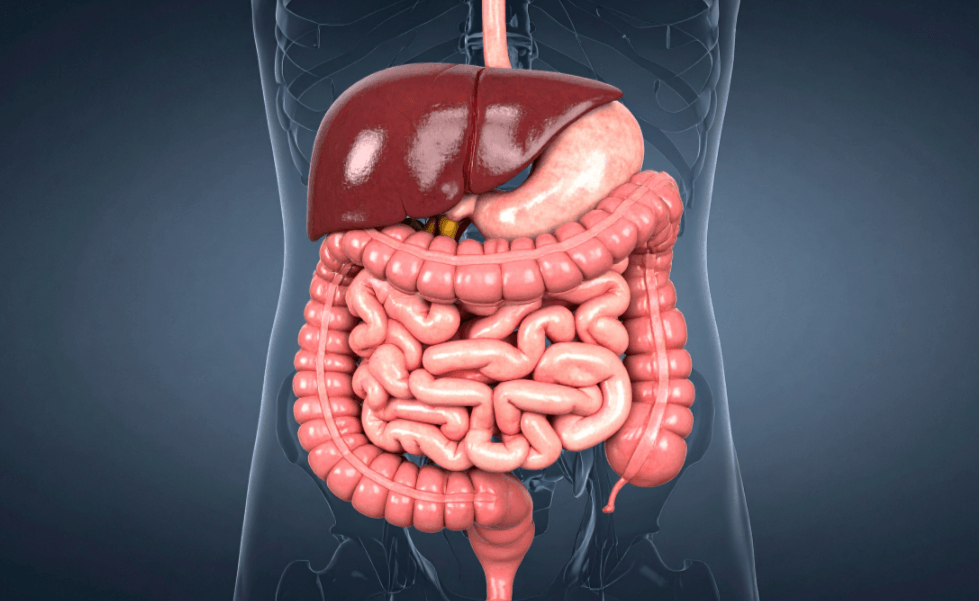
This doesn’t mean everyone with eczema has “leaky gut,” but it does mean that gut barrier dysfunction can amplify inflammatory responses throughout the body, including the skin.
2. Microbiome Imbalance (Gut Dysbiosis)
A healthy gut microbiome:
Regulates immune tolerance
Produces anti-inflammatory metabolites (like short-chain fatty acids)
Helps prevent immune overreaction
In eczema, studies consistently show altered gut microbiota composition, particularly:
Reduced microbial diversity
Lower levels of beneficial bacteria (such as Bifidobacterium)
Increased pro-inflammatory bacterial activity
This imbalance can keep the immune system stuck in a heightened inflammatory state, making eczema more persistent and reactive.
3. Immune System Overactivation (Th2 Dominance)
Eczema is strongly associated with Type 2 (Th2) immune pathways, which drive:
Elevated IgE levels
Allergic sensitization
Skin barrier dysfunction
Chronic inflammation
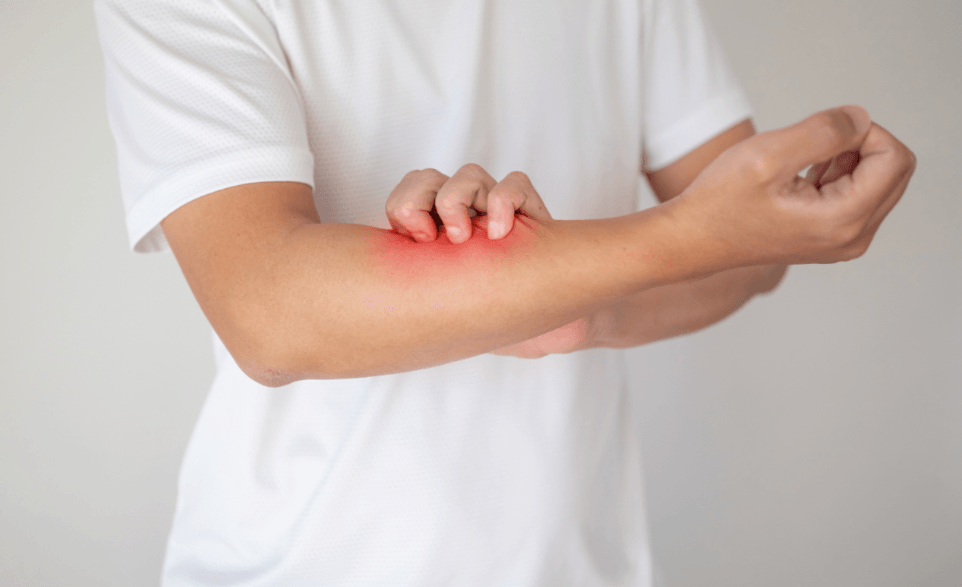
The gut plays a major role in shaping these immune responses.
When gut signals promote immune imbalance, the skin often becomes one of the primary outlets for that inflammation — leading to itching, flares, and impaired healing.
This is also why biologic medications like Dupixent (dupilumab) work by targeting specific immune pathways — not the skin surface alone.
Why Probiotics Aren’t a Simple Fix for Everyone
This is where many people with eczema feel confused — or discouraged.
Yes, probiotics can be helpful.
But many people with eczema notice flares from:
Yogurt
Fermented foods
Kombucha
Certain probiotic supplements
Why does this happen?
Because eczema isn’t just about “adding good bacteria.”
For some individuals:
Certain probiotic strains produce histamine, worsening itch
Fermented foods can overstimulate an already reactive immune system
An inflamed gut may not tolerate bacterial shifts well
Clinical studies show mixed results with probiotic supplementation in eczema — with benefits often being strain-specific, timing-dependent, and individualized.
This doesn’t mean probiotics are bad.
It means your body’s readiness matters.
Topical Prebiotics & Probiotics: The Often-Missed Piece
What many people don’t realize is that the skin has its own microbiome — and it plays a crucial role in eczema.
In eczema-prone skin:
Beneficial bacteria are reduced
Staphylococcus aureus often overgrows
The skin barrier becomes inflamed and fragile
Topical prebiotics and probiotics can:
Support beneficial skin bacteria
Reduce harmful bacterial dominance
Strengthen the skin barrier
Reduce inflammation locally
For many people, supporting the skin microbiome first is gentler and more effective than aggressively targeting the gut.
Again — healing isn’t either/or.
It’s strategic and individualized.
Why Eczema Isn’t Just About Food
Food can absolutely be a trigger — but eczema is rarely caused by food alone.
Other factors that influence the gut–skin axis include:
Chronic stress and nervous system dysregulation
Medications (antibiotics, steroids, acid suppressors)
Environmental toxins
Sleep disruption
Hormonal fluctuations
Stress alone can:
Alter gut permeability
Shift microbiome balance
Increase inflammatory cytokines
Impair skin barrier repair
This is why dietary restriction alone often isn’t enough — and why many people feel stuck despite “doing everything right.”
A More Supportive Approach to Gut Health & Eczema
Instead of asking:
“What foods should I eliminate?”
Try asking:
What reduces my overall inflammatory load?
What calms my immune system?
What supports digestion without irritation?
What strengthens my skin barrier?
Sometimes healing looks like:
Gentle gut support before probiotics
Supporting nutrient absorption over restriction
Regulating stress before dietary changes
Addressing skin microbiome alongside gut health
This approach is slower — but far more sustainable.
The gut–skin axis helps explain why eczema is complex — not why you’re failing.
Your body isn’t broken.
It’s communicating.
Eczema is an immune system trying to protect you — just a little too aggressively.
When gut health, immune pathways, and skin barrier function are supported together, healing becomes calmer, clearer, and more sustainable.
And that matters.

Scientific References
1. Bowe WP, Logan AC. Acne vulgaris, probiotics and the gut–brain–skin axis. Gut Pathogens.
2. Lee SY et al. Microbiome in the gut-skin axis in atopic dermatitis. Allergy, Asthma & Immunology Research.
3. Salava A, Lauerma A. Role of the skin microbiome in atopic dermatitis. Clinical Reviews in Allergy & Immunology.
4. Kim J et al. Intestinal permeability and immune activation in atopic dermatitis. Journal of Allergy and Clinical Immunology.
5. Simpson EL et al. Dupilumab efficacy and immune pathway modulation in atopic dermatitis. NEJM.
6. Penders J et al. Gut microbiota composition and development of atopic disease. Allergy.
Calm your skin, reclaim your comfort, and embrace a healthier, more balanced life.



Get in touch
Feel free to get in touch with us via email: support@theantiinflammatorymindset.com
TAIM | Privacy Policy | Terms and Conditions