
Is Eczema Contagious? Facts About Flare-Ups, Skin Health, and Myths
Eczema is not contagious. You cannot catch it from another person through touch or close contact.
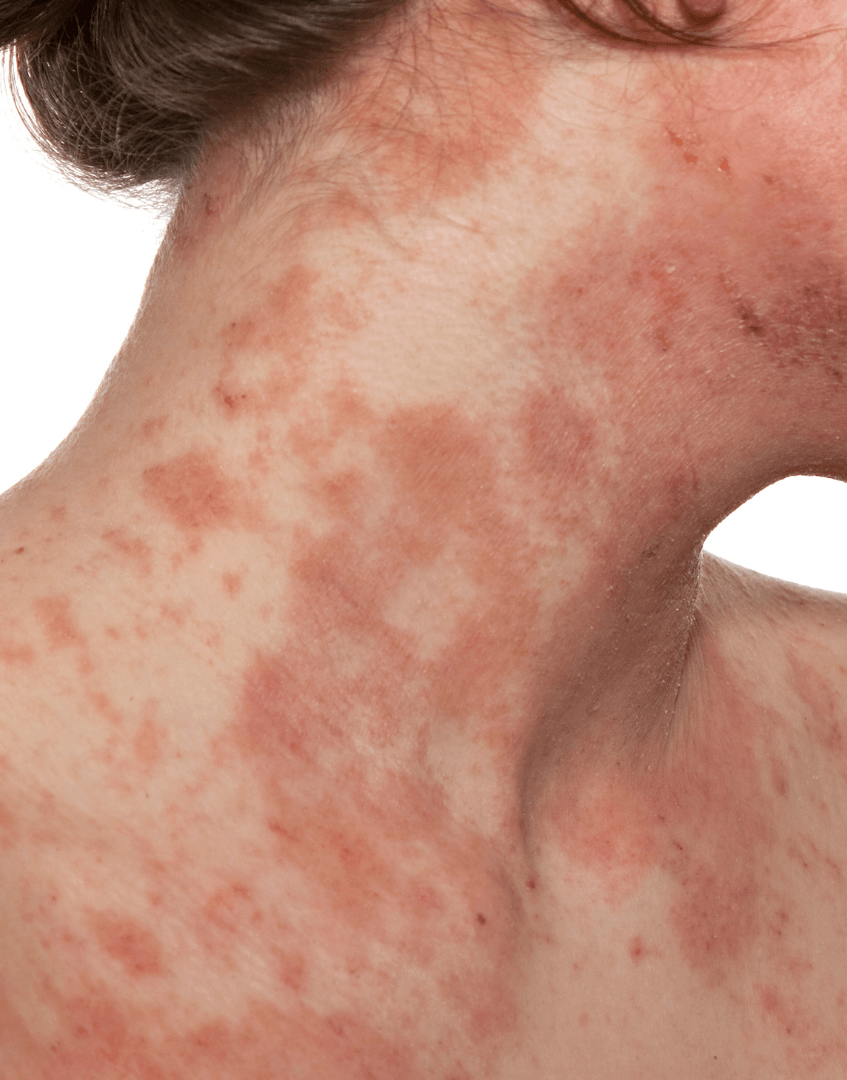
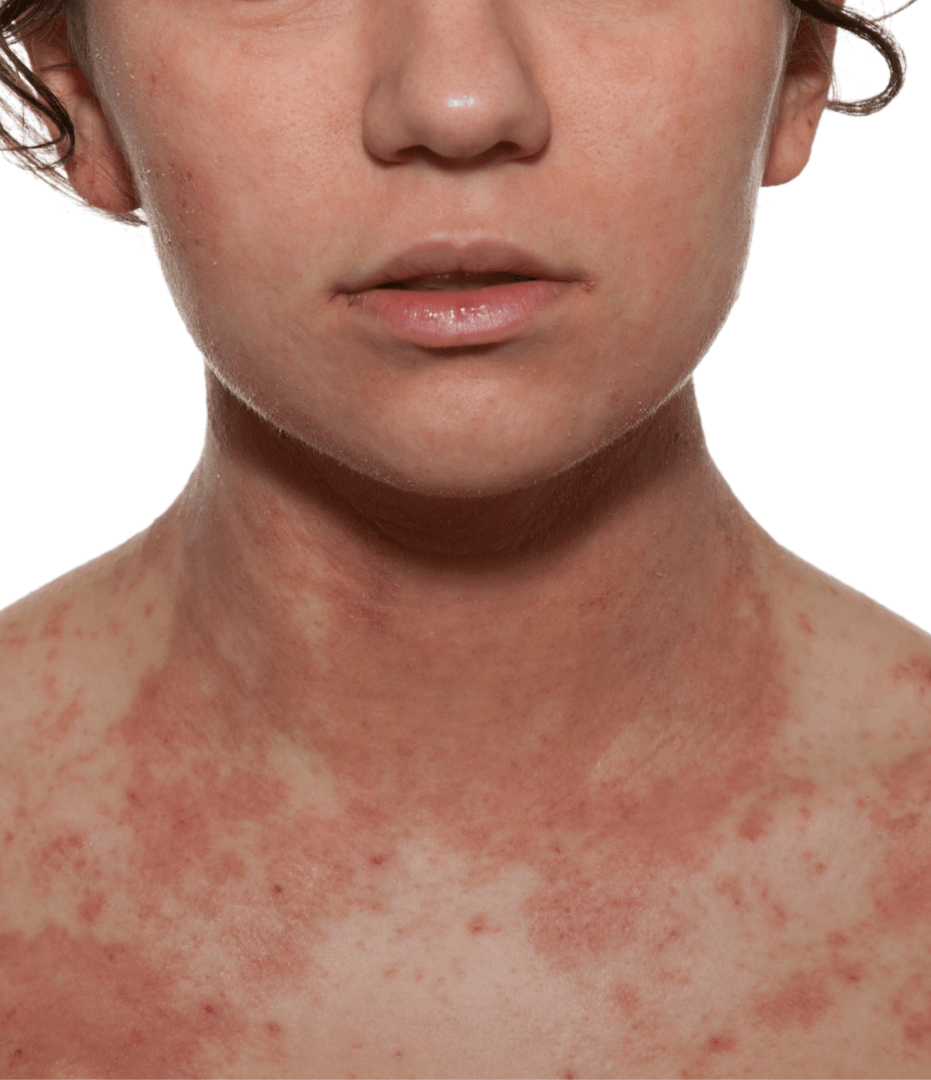
Eczema, also called atopic dermatitis, affects millions of people around the world. Its symptoms—redness, dryness, itching, cracking, and sometimes oozing skin—can look alarming, especially during severe flare-ups. Because of how visible it can be, many people wonder:
“Can eczema spread from person to person?”
The answer is simple: No, eczema is not contagious.
You cannot catch eczema through touching, hugging, sharing towels, swimming together, or being close to someone who has it. Unlike contagious skin conditions caused by viruses, bacteria, or fungi, eczema is a chronic inflammatory skin condition linked to the immune system, genetics, and environmental triggers.
Why People Mistakenly Think Eczema Is Contagious
Although eczema cannot spread between people, there are several reasons why the misconception persists.
Visible Skin Symptoms
Eczema flare-ups often cause red, inflamed, flaky, or cracked skin that may appear similar to infections or rashes. For people unfamiliar with eczema, the appearance alone can make it seem contagious.
Secondary Skin Infections
When eczema becomes severe, constant scratching can damage the skin barrier and allow bacteria—such as Staphylococcus aureus—to enter the skin. In these cases, an infection may develop alongside eczema.
While certain bacterial infections can spread through direct contact, the eczema itself still cannot. The infection is secondary, not the root condition.
It Often Runs in Families
Eczema commonly appears in multiple family members, especially parents and children. This can create the false impression that it spreads through contact.
In reality, eczema is strongly connected to genetics and shared environmental factors, not transmission between people.
What Actually Causes Eczema?
Eczema develops through a combination of biological and environmental factors that affect how the skin protects itself.
A Weak Skin Barrier
Healthy skin acts as a protective shield that locks in moisture and keeps irritants out. In people with eczema, this barrier is weaker and less effective.
As a result, the skin becomes:
Dry and sensitive
More prone to irritation
Vulnerable to allergens and bacteria
An Overactive Immune Response
People with eczema often have immune systems that react too strongly to triggers that might not affect others.
Common triggers include:
Harsh soaps and detergents
Dust mites and pollen
Stress and anxiety
Sweat and heat
Fragrances and skincare products
Certain fabrics like wool
This immune response leads to inflammation, itching, and flare-ups.
Genetics
A family history of eczema, asthma, or allergies increases the likelihood of developing eczema. However, inherited risk does not mean the condition is contagious.
Why Understanding This Matters
Misunderstandings about eczema can lead to embarrassment, stigma, and social discomfort for people living with the condition—especially children.
Reduce fear and misinformation
Encourage empathy and support
Create more inclusive social environments
Improve emotional well-being for those affected
Knowing that eczema is not contagious helps:
Stress itself is a major eczema trigger, so reducing judgment and anxiety can actually help minimize flare-ups.
How to Protect Skin and Prevent Complications
Even though eczema cannot spread, proper skin care is important to prevent irritation and reduce the risk of infection.
Moisturize Regularly
Use fragrance-free creams and ointments to strengthen the skin barrier.
Avoid Scratching
Scratching damages the skin and increases the risk of infection. Keeping nails short and using anti-itch treatments can help.
Protect Open Skin
If patches become cracked or oozing, covering them with clean bandages can protect the skin and reduce bacterial exposure.
Maintain Good Hygiene
Regularly washing hands, towels, pillowcases, and bedding helps minimize bacteria and irritants that may worsen eczema.
Eczema is not contagious. You cannot catch it from another person through touch or close contact.
Flare-ups happen because of a complex mix of:
Genetics
Immune system activity
Skin barrier dysfunction
Environmental triggers
Understanding the truth about eczema helps replace fear with compassion and allows people living with the condition to feel more supported and confident.
With proper skincare, trigger management, and medical guidance when needed, eczema can be effectively managed—without any concern about spreading it to others.

Calm your skin, reclaim your comfort, and embrace a healthier, more balanced life.



Get in touch
Feel free to get in touch with us via email: support@theantiinflammatorymindset.com
TAIM | Privacy Policy | Terms and Conditions