No Moisture Therapy for TSW: What You Should Know
Have you heard of No Moisture Therapy (NMT)?
If you’ve been following people going through Topical Steroid Withdrawal (TSW), chances are you’ve come across it.
It’s one of the most talked-about approaches online—and also one of the most debated. Some people swear it helped their skin calm down faster. Others can’t imagine going even a day without moisturizer.
So what actually is it?
No Moisture Therapy is exactly what it sounds like. During TSW, some people choose to stop using moisturizers, ointments, and emollients altogether. They also limit prolonged water exposure and discontinue topical steroids. The goal is to allow the skin to function and heal on its own, without relying on external hydration or occlusive products.
For some, especially during the red, inflamed, or oozing stages, this approach is believed to help the skin “reset.”
This method is often linked to Dr. Kenji Sato, a Japanese dermatologist who began working with TSW patients in the early 1990s. Over time, he developed a structured approach centered around reducing external moisture to support natural skin recovery.
It’s important to note though—while his work has influenced many TSW communities worldwide, it hasn’t been widely studied in large clinical trials, particularly in Western dermatology. That’s why experiences with NMT can vary so much.
What does the NMT approach usually involve?
Stopping topical steroids completely
Avoiding moisturizers, ointments, and emollients
Limiting long showers or baths
Keeping cleansing minimal and gentle
Monitoring the skin closely for cracking or infection
Allowing the skin to gradually adapt over time
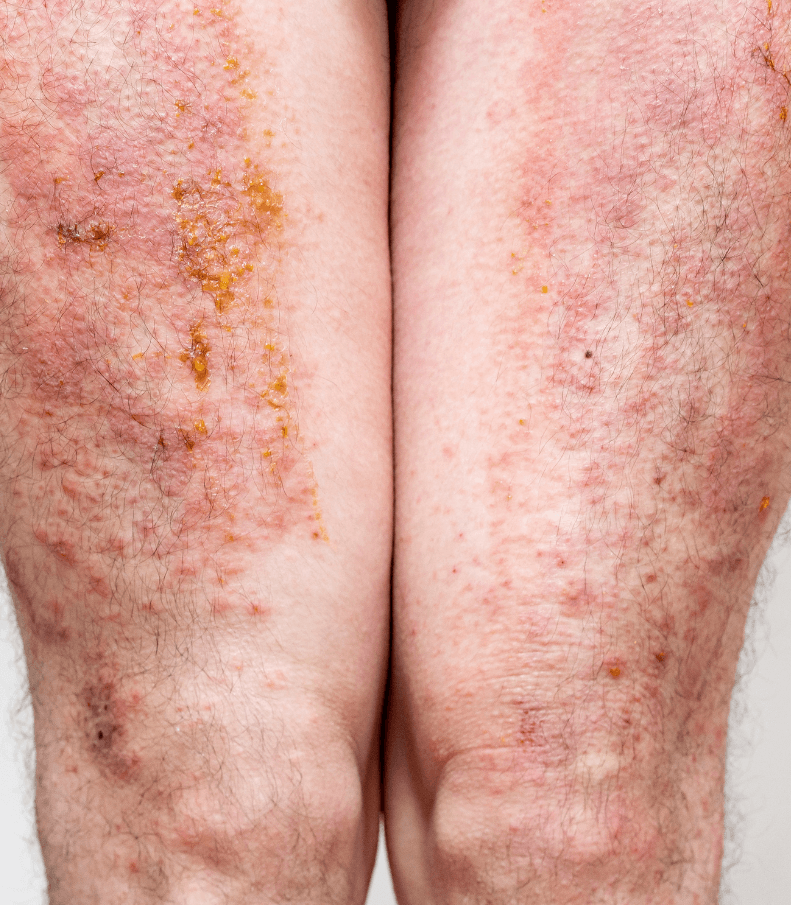

People who follow this approach are often trying to reduce oozing, burning, and inflammation—while encouraging the skin to regulate itself naturally.
So why do people try it?
For some, moisturizers start to feel uncomfortable during TSW. They may notice increased itching, a burning sensation, or a feeling of heat after applying products. Others feel exhausted from constantly reapplying creams and want to see how their skin behaves without them.
And for some, it’s simply about trying something different when nothing else seems to be working.
But here’s the reality—NMT is not for everyone.
Experiences can be completely different from person to person.
Some people report less oozing and faster “drying out” of the skin. Others experience intense dryness, cracking, and significant discomfort. When the skin barrier is compromised, there’s also a higher risk of infection, which makes careful monitoring essential.
There’s also the emotional side. TSW alone can be overwhelming—and removing something as comforting as moisturizer can make it even more challenging for some people.
What about the “trapped heat” feeling?
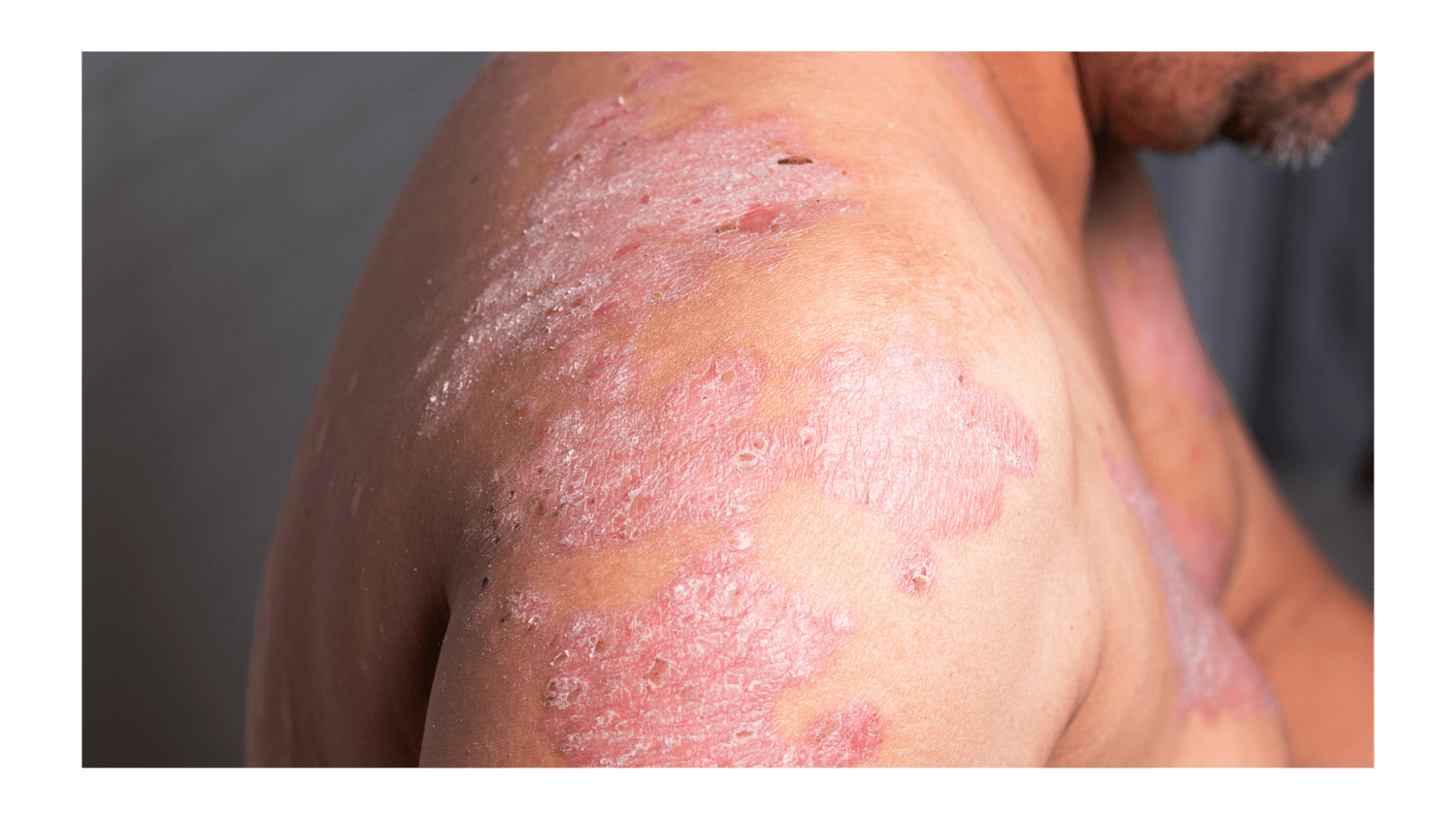
A common concern is that moisturizers trap heat and make itching worse. While this sensation is very real, it’s more likely linked to hypersensitive nerve responses in inflamed skin rather than actual heat being trapped.
That said, your experience matters. If certain products make your skin feel worse, that’s something worth paying attention to. Some people do better with lighter hydration. Others prefer minimal or no moisture during certain phases.
The bottom line
No Moisture Therapy is one approach—not a universal solution.
It’s largely based on anecdotal experience rather than strong clinical evidence. While some people find relief with it, others find it too extreme or difficult to sustain.
If you’re considering NMT, it’s important to approach it thoughtfully. Work with a healthcare professional if possible, especially if your skin is severely compromised or prone to infection.
TSW is complex. Your skin is not the same as anyone else’s.
The goal isn’t to follow what worked for someone online—it’s to understand what your skin needs and support it in the safest, most sustainable way possible.

Calm your skin, reclaim your comfort, and embrace a healthier, more balanced life.



Get in touch
Feel free to get in touch with us via email: support@theantiinflammatorymindset.com
TAIM | Privacy Policy | Terms and Conditions